The Jakarta Post
Please Update your browser
Your browser is out of date, and may not be compatible with our website. A list of the most popular web browsers can be found below.
Just click on the icons to get to the download page.


Popular Reads
Top Results
No results found. Please check your search term and try again
Can't find what you're looking for?
View all search results
Popular Reads
Top Results
No results found. Please check your search term and try again
Can't find what you're looking for?
View all search resultsGovt urged to unlock rare earth potential in nickel, bauxite, tin waste
IMI chairman Irwandy Arif, who served as a special staffer at the Energy and Mineral Resources Ministry from 2019 to 2024, recalled that six foreign companies specializing in rare earths had approached the ministry during his tenure to explore partnerships on studies of rare earth elements in mining tailings.
Change text size
Gift Premium Articles
to Anyone
Share the best of The Jakarta Post with friends, family, or colleagues. As a subscriber, you can gift 3 to 5 articles each month that anyone can read—no subscription needed!
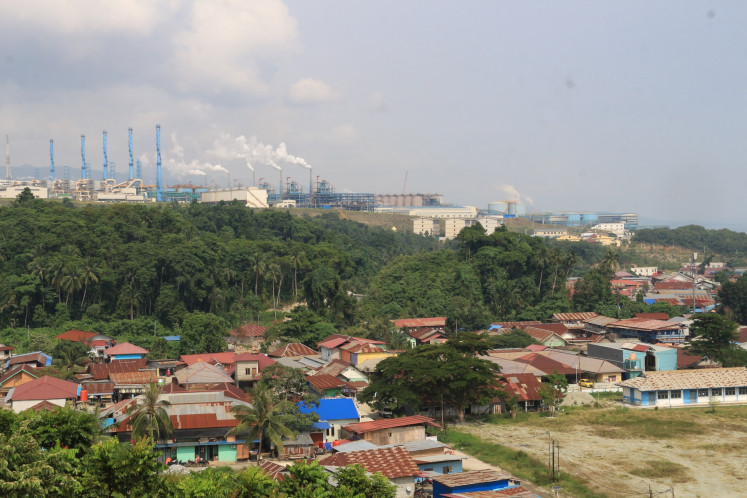
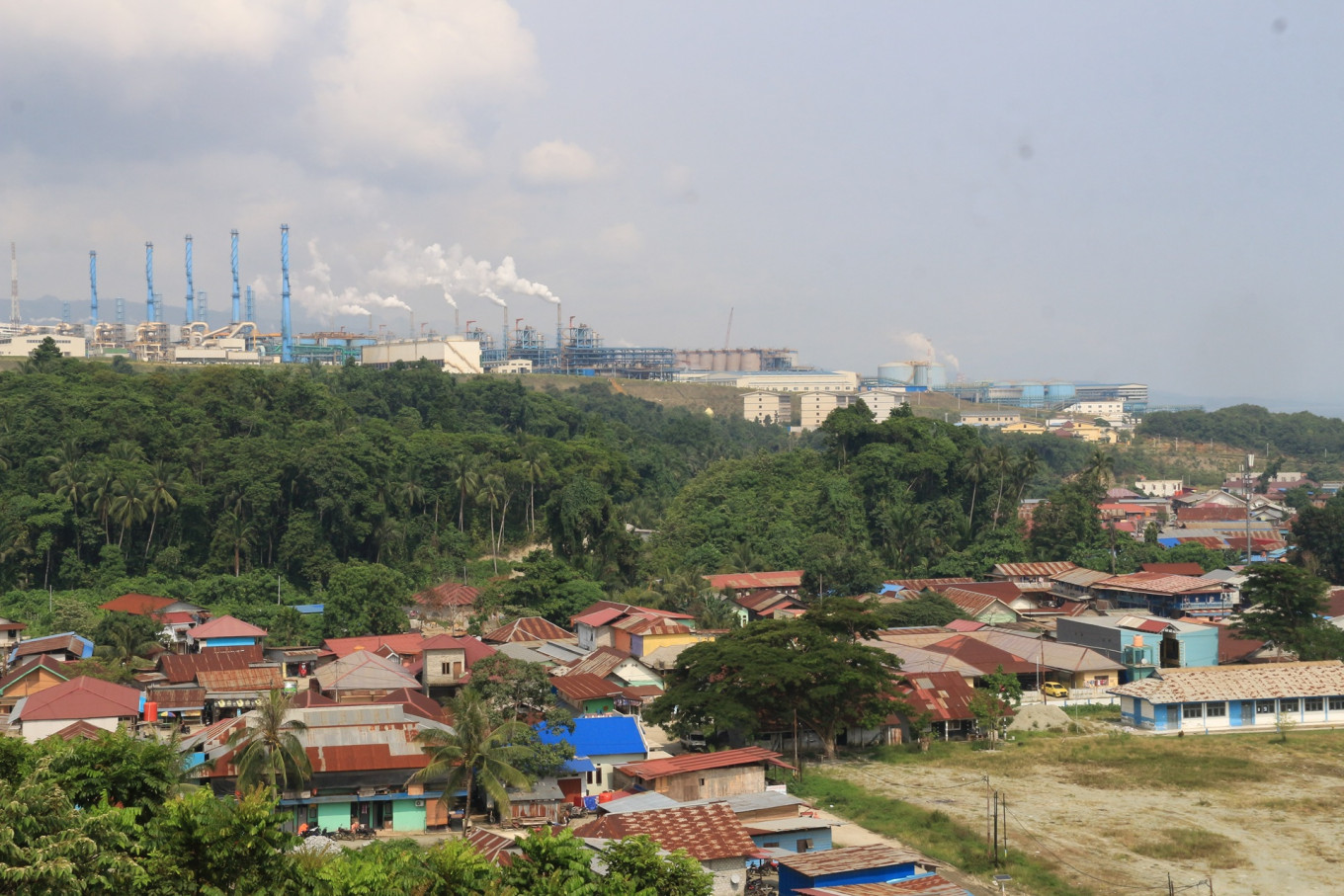 A nickel smelting and processing site operated by PT Indonesia Weda Bay Industrial Park (IWIP) is seen in the background of Lelilef Sawai village in Central Weda district, Central Halmahera regency, North Maluku on Feb. 20, 2025. (Courtesy of Supriyadi Sudirman/-)
T
he Indonesia Mining Institute (IMI) is calling on the government to systematically map the rare earths content of processing residues from the country's nickel and bauxite industries, warning that valuable by-products go unexploited as foreign companies with rare earth expertise drift away after earlier partnership talks failed to produce deals.
IMI chairman Irwandy Arif, who served as a special staffer at the Energy and Mineral Resources Ministry from 2019 to 2024, recalled that six foreign companies specializing in rare earths had approached the ministry during his tenure to explore partnerships on studies of rare earth elements in mining tailings. However, none of the discussions resulted in an actual partnership.
Speaking in Central Jakarta on Wednesday, Irwandy said processing residues such as tailings and slag from nickel refining contain significant quantities of rare earths, yet the potential remains untapped.
To date, he said, utilization of residue from pyrometallurgical smelters using rotary kiln-electric furnace (RKEF) technology has been limited to local governments collecting the material and selling it to metalworkers, as seen in East Java's Gresik region.
"In reality, these materials contain rare earth elements. I have data from one sample, though I don't recall the exact figures off the top of my head, the concentration is quite high. This is an area that has never been properly researched," he said.
With domestic smelters already stretched thin and wary of funding a venture whose profitability remains unproven, the project's viability hinges on government and foreign investors working in tandem to clarify the economics and create a model that can be replicated.

Read also: Indonesia’s rare earth push faces low-content, costly extraction hurdles