The Jakarta Post
Please Update your browser
Your browser is out of date, and may not be compatible with our website. A list of the most popular web browsers can be found below.
Just click on the icons to get to the download page.


Popular Reads
Top Results
No results found. Please check your search term and try again
Can't find what you're looking for?
View all search results
Popular Reads
Top Results
No results found. Please check your search term and try again
Can't find what you're looking for?
View all search resultsAnalysis: Power blackouts reveal a deeper energy dilemma
Change text size
Gift Premium Articles
to Anyone
Share the best of The Jakarta Post with friends, family, or colleagues. As a subscriber, you can gift 3 to 5 articles each month that anyone can read—no subscription needed!
 Set as preferred source
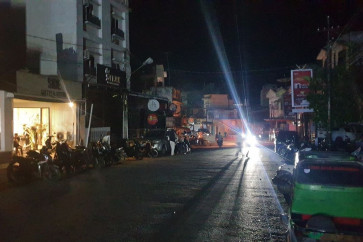
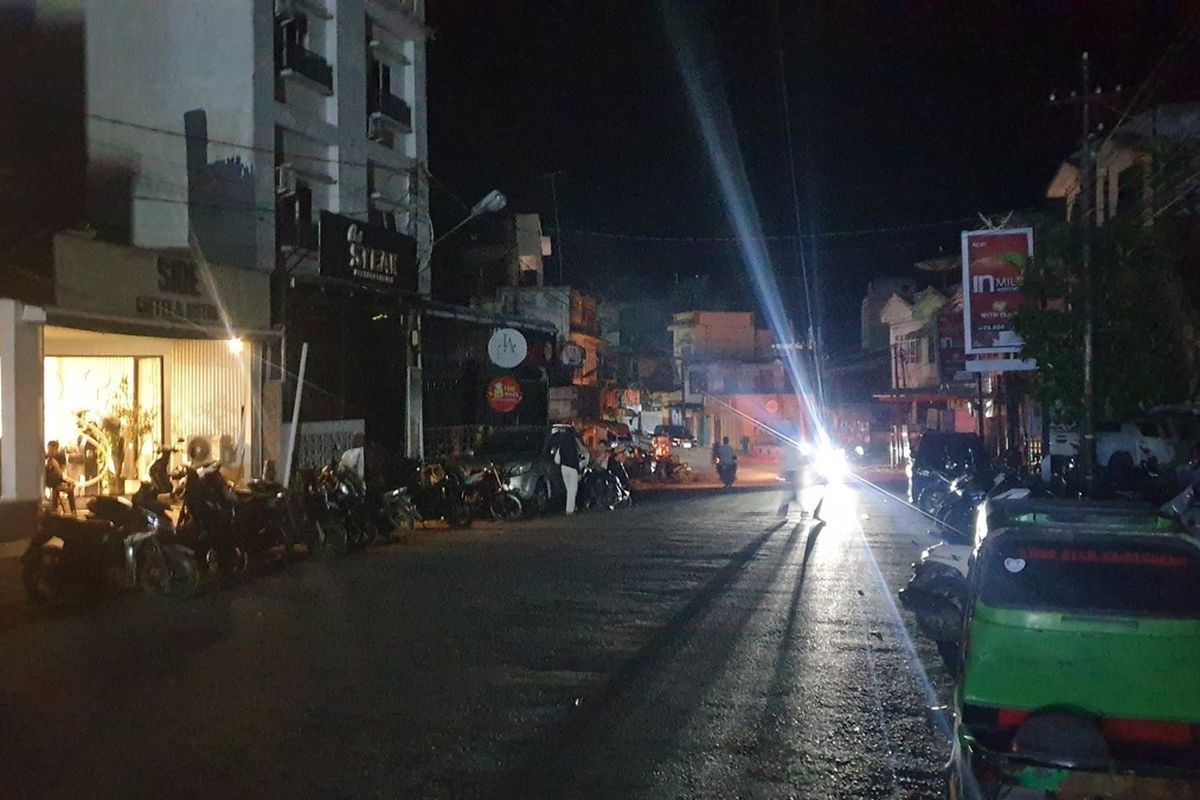 A store in Padangsidimpuan city, North Sumatra, emits generator-powered light on May 22, as the street lies shrouded in darkness. The blackout affected almost all of provinces on mainland Sumatra Island. Electricity company PT PLN said electricity was normal again on Sunday. (kompas.com/Oryza Pasaribu)
R
ecent rolling blackouts have exposed more than temporary technical failures. Although the government and state-owned electricity company PLN attributed the outages to shortages of medium-calorie coal and technical problems at two independent power plants, the disruptions highlight a deeper dilemma: balancing affordable electricity tariffs with the financial sustainability of electricity amid rising geopolitical and energy market uncertainty.
According to the Indonesian Chamber of Commerce and Industry (Kadin), the rolling blackouts have generated widespread complaints from businesses across manufacturing, food and beverages, textiles, cold-chain logistics, data centers, hospitals, shopping malls, hotels and micro, small and medium enterprises (MSMEs). The outages have disrupted production processes and undermined business performance.
The shortage of medium-calorie coal stems from limited domestic production, as only around 20 percent of national coal output falls within the medium- to high-calorie range. Yet coal shortages are merely a symptom of broader challenges facing Indonesia's electricity sector.
At the beginning of the year, the government reduced the national coal production quota by 190 million tonnes, or about 25 percent from the previous year's level, lowering total production to 600 million tonnes. The Energy and Mineral Resources Ministry also requires coal producers to allocate 180-190 million tonnes annually to PLN and independent power producer (IPP)-owned coal-fired power plants (CFPPs), of which around 134 million tonnes are supplied directly to PLN.
The situation became even more challenging after tensions between the United States and Iran escalated in February, driving global energy prices sharply higher. Coal prices climbed to around US$140 per tonne, their highest level in several years after remaining relatively subdued since 2023, while coal producers are required under the Domestic Market Obligation (DMO) policy to supply at least 25 percent of their production domestically at a fixed price of US$70 per tonne, a ceiling that has remained unchanged since 2018. Meanwhile, operating costs have risen substantially. Industrial diesel prices, for example, have increased from around Rp 11,000 per liter in 2018 to more than Rp 20,000 (US$1.14) today.
PLN itself is also facing mounting financial pressure. The company's 2025 financial report shows that fuel expenses increased by 10 percent, driven by higher spending on diesel (17.6 percent) and natural gas (17.1 percent). Foreign exchange losses more than doubled to Rp 12 trillion. Consequently, PLN's net profit plunged 65 percent, from Rp 21.2 trillion to Rp 7.3 trillion. The deterioration is also evident in the company's cash flow. Operating cash flow declined by 87 percent, contributing to a reduction of around Rp 19 trillion in cash holdings.

PLN's financial burden extends well beyond rising operating costs. As of early 2025, the company was still carrying around Rp 110 trillion in government receivables, comprising compensation receivables (Rp 84.9 trillion), electricity subsidy receivables (Rp 12.2 trillion) and receivables related to electricity discounts (Rp 13 trillion). To maintain liquidity, PLN nearly tripled its short-term bank borrowing from Rp 21 trillion to Rp 58 trillion. Payment delays to suppliers have also reportedly stretched to as long as three months.