The Jakarta Post
Please Update your browser
Your browser is out of date, and may not be compatible with our website. A list of the most popular web browsers can be found below.
Just click on the icons to get to the download page.


Popular Reads
Top Results
No results found. Please check your search term and try again
Can't find what you're looking for?
View all search results
Popular Reads
Top Results
No results found. Please check your search term and try again
Can't find what you're looking for?
View all search resultsThe key forces now shaping markets and geopolitics
The world is in turmoil, yet financial markets are riding high. Are investors wrong, or is the picture more complex than this seeming contradiction suggests?
Change text size
Gift Premium Articles
to Anyone
Share the best of The Jakarta Post with friends, family, or colleagues. As a subscriber, you can gift 3 to 5 articles each month that anyone can read—no subscription needed!
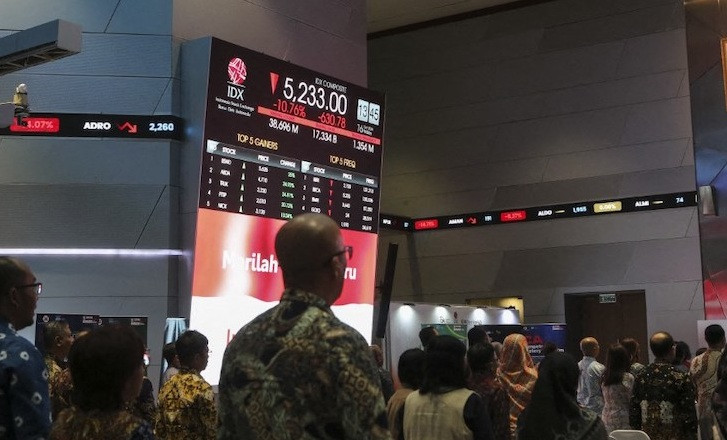
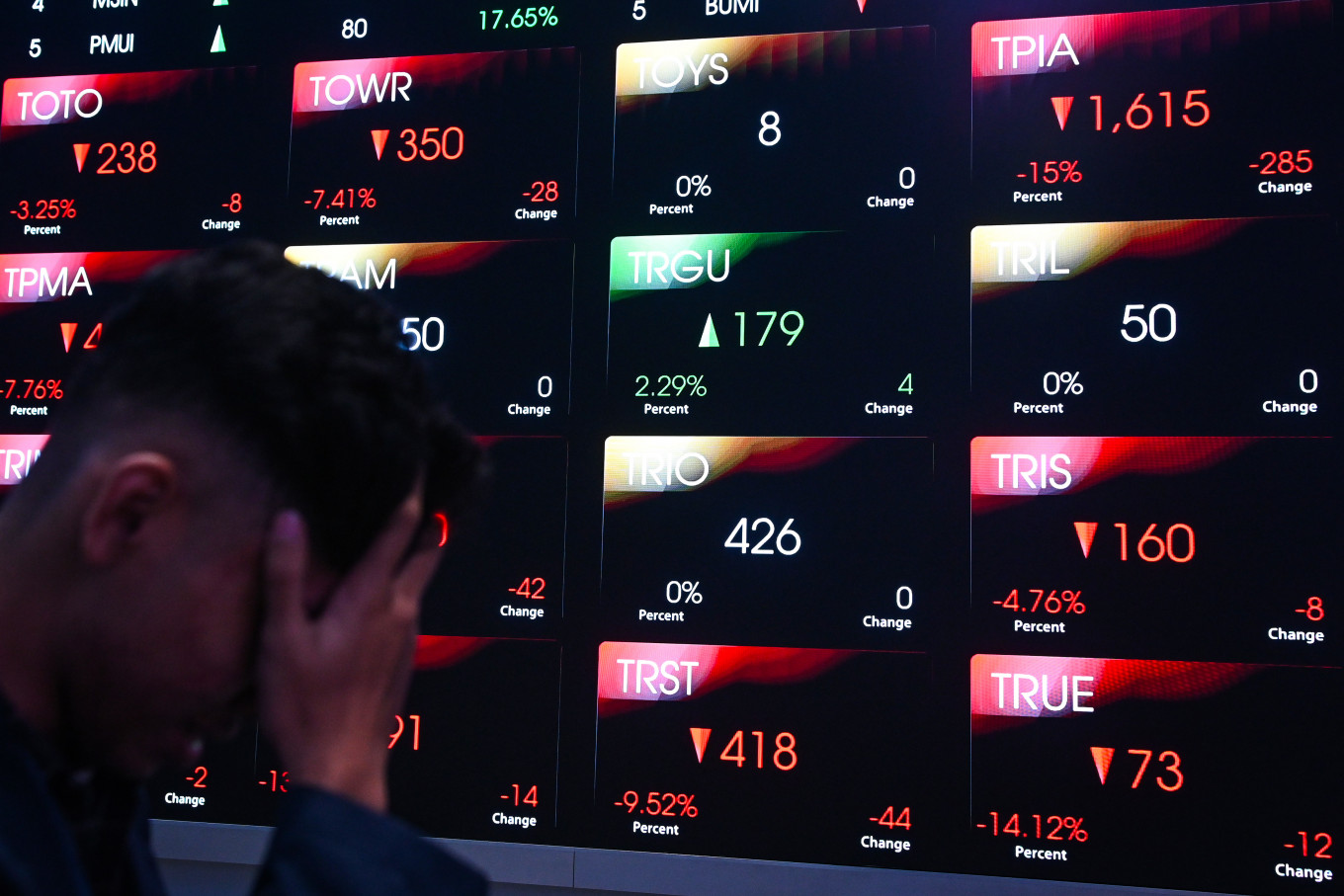 A man walks past a digital display on June 3, 2026, showing the movement of the Indonesia Composite Stock Price Index (IHSG) at the Indonesia Stock Exchange in South Jakarta. (Antara/Sulthony Hasanuddin)
I
t’s a fascinating moment for international politics and global markets. The world is in turmoil, primarily because the United States, still the dominant superpower, has become a fundamentally unreliable actor. US President Donald Trump is actively pulling apart the international order that the US built and led over the past 80 years. Yet financial markets are riding high, not just in the US but also in East Asia, South America and much of Europe.
Are investors wrong, or is the picture more complex than this seeming contradiction suggests?
Though the situation is indeed complicated, three major factors will shape global politics and markets for the next several years. First, there are virtually no political constraints on the accelerating development of artificial intelligence, which is the driving force behind the market rally and, for better and for worse, is set to continue virtually unchecked.
The most important technological revolution in history, one that will create both extraordinary opportunities and unprecedented dangers, has arrived during a “geopolitical recession,” when the existing global system is giving way to something new that we can’t yet see.
The accelerating breakdown in relations among major governments will leave AI with virtually no effective regulation. The companies creating the frontier models are now functioning as sovereign geopolitical players, because their inventions will prove essential to our future security and prosperity. It is the law of the jungle, applied to cutthroat (and exceptionally well-funded) technology competition. There is an AI “arms race” not only between the US and China, but also among companies like OpenAI, Anthropic and their competitors. The incentives for growth over caution are undeniable.
Second, the market effect of go-go AI growth will be offset by a continuing political tax on globalization. For a half-century, the main driver of global economic growth was the US push for open markets to accelerate cross-border flows of ideas, information, people, goods, services, and most importantly, capital. But the US is no longer driving globalization. Instead, it is leading a push to use trade and financial relationships for narrow political gain, forcing other governments to embrace protectionism to shield their own industries and workers. (Although Trump has intensified this trend, it is worth remembering that the Democrats were backing away from free trade before he arrived on the scene.)

The result is a profound shift from positive-sum to zero-sum thinking. True, other countries remain reluctant to scrap globalization, as demonstrated by recent breakthrough trade agreements involving the European Union, India, Mercosur (Argentina, Brazil, Paraguay, and Uruguay), China, Canada and others. But the global trend toward politically motivated protectionism represents the new normal, for now.