The Jakarta Post
Please Update your browser
Your browser is out of date, and may not be compatible with our website. A list of the most popular web browsers can be found below.
Just click on the icons to get to the download page.


Popular Reads
Top Results
No results found. Please check your search term and try again
Can't find what you're looking for?
View all search results
Popular Reads
Top Results
No results found. Please check your search term and try again
Can't find what you're looking for?
View all search resultsThe Strait of Hormuz shock is reshaping East Asia’s economic future
In the wake of the crisis stemming from the closure of the Strait of Hormuz, ASEAN should consider a regional strategic reserve mechanism, coordinated procurement arrangements and emergency energy-sharing frameworks.
Change text size
Gift Premium Articles
to Anyone
Share the best of The Jakarta Post with friends, family, or colleagues. As a subscriber, you can gift 3 to 5 articles each month that anyone can read—no subscription needed!
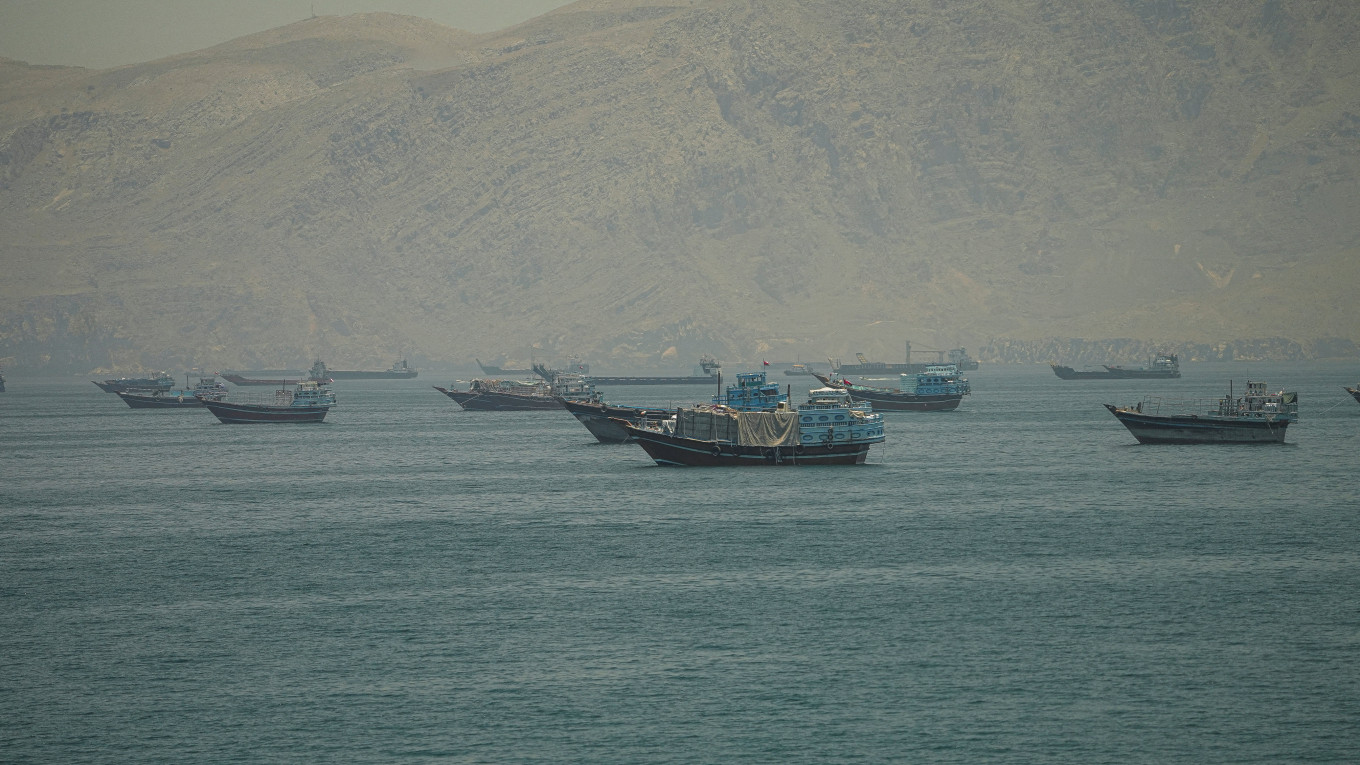 Vessels are anchored in the Strait of Hormuz, off Musandam, Oman, on May 25, 2026. (Reuters/STR)
T
he closure of the Strait of Hormuz has evolved from a regional security crisis into a global economic emergency. What was once viewed as a theoretical risk discussed in strategic studies seminars has become a harsh reality with profound consequences for Asia and the wider world.
Before the current conflict, approximately 20 million barrels of oil passed through the strait every day. Today, with shipping severely disrupted, an estimated 14.4 million barrels per day have effectively been removed from normal market circulation. The resulting shock has no contemporary precedent outside the major oil crises of the 1970s.
Governments and international institutions initially sought to cushion the blow through emergency measures. Strategic petroleum reserves were released at record levels, helping to offset roughly 2 million barrels per day of lost supply. Yet this intervention was never designed to be permanent.
According to assessments by JP Morgan, these emergency releases are expected to conclude by July, while stockpiles in several major economies have fallen to critically low levels.
The implications are becoming increasingly clear. The world is not merely confronting a temporary disruption in energy flows. It is facing a structural imbalance between supply and demand that could persist for months, if not years.
Paradoxically, global oil demand has already fallen sharply due to the economic slowdown triggered by the crisis itself.

JP Morgan estimates that global demand declined by an average of 2.8 million barrels per day in March, followed by projected contractions of 4.3 million barrels per day in April and 5.5 million barrels per day in May. These figures would normally suggest downward pressure on prices.