The Jakarta Post
Please Update your browser
Your browser is out of date, and may not be compatible with our website. A list of the most popular web browsers can be found below.
Just click on the icons to get to the download page.


Popular Reads
Top Results
No results found. Please check your search term and try again
Can't find what you're looking for?
View all search results
Popular Reads
Top Results
No results found. Please check your search term and try again
Can't find what you're looking for?
View all search resultsRevamping Jakarta, authentically
Jakarta’s bold plan to revamp historic districts will only succeed if City Hall modernizes their streets without evicting the living culture and roadside traders who gave them a soul.
Change text size
Gift Premium Articles
to Anyone
Share the best of The Jakarta Post with friends, family, or colleagues. As a subscriber, you can gift 3 to 5 articles each month that anyone can read—no subscription needed!
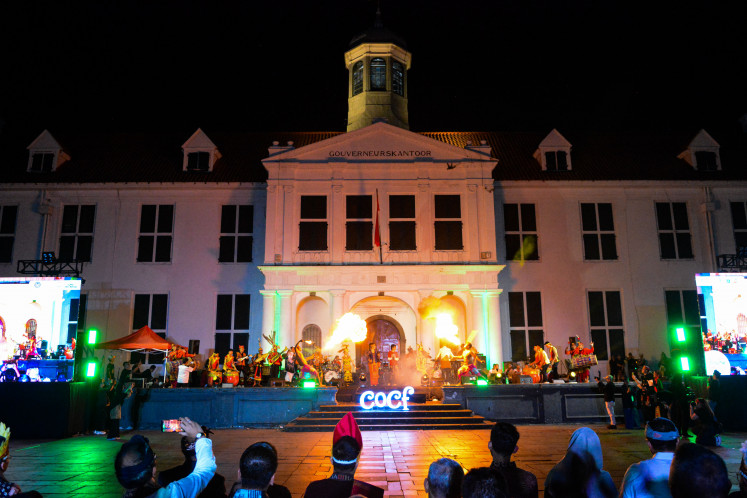
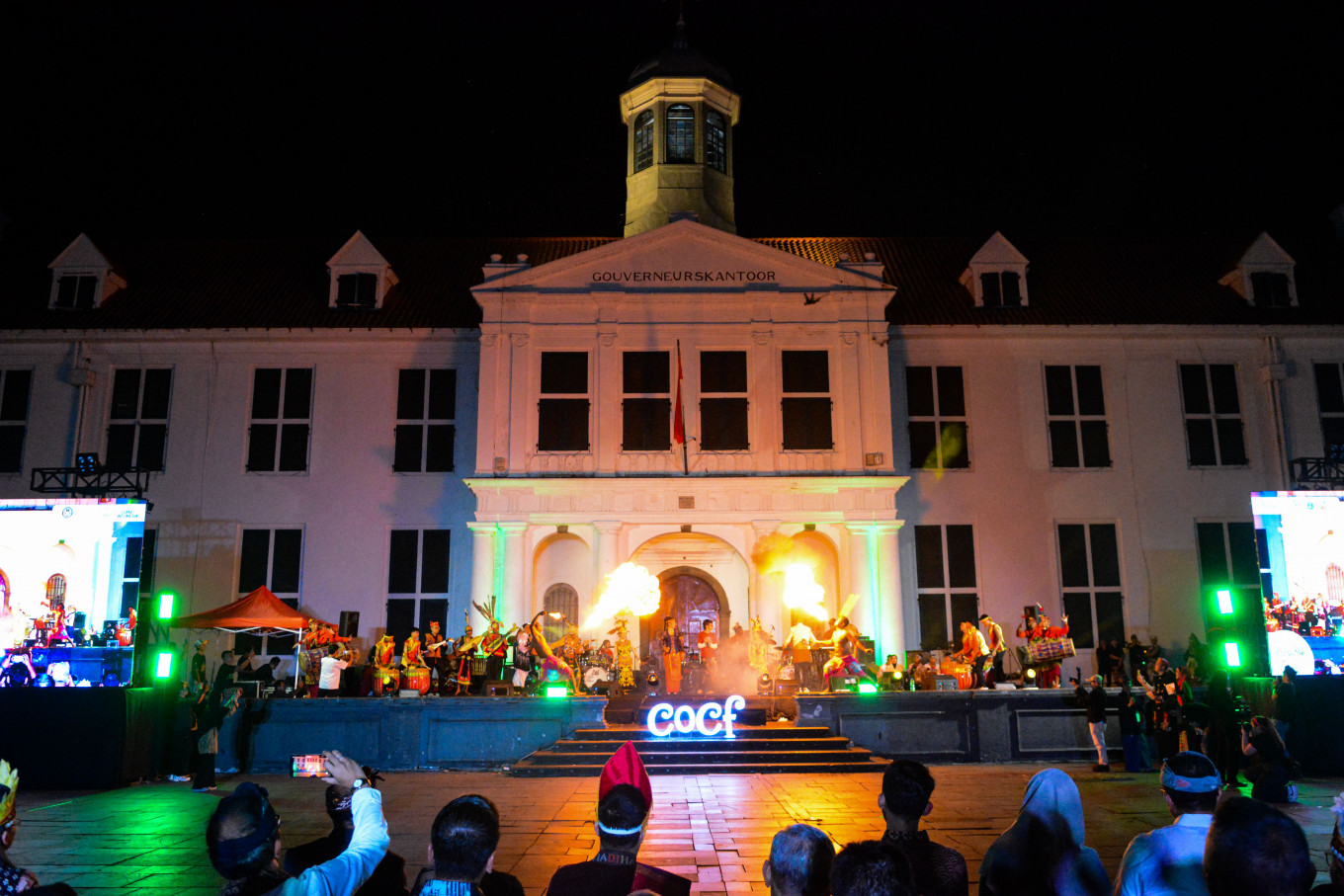 Musicians perform on Oct. 16 during the opening day of the three-day Colours of Culture Festival 2026 in the Kota Tua (Old Town) district of Jakarta, now in its 10th edition. (Antara/Fathul Habib Sholeh)
J
akarta’s plan to revamp four iconic districts could inject fresh vitality into the capital’s historic commercial centers. But Governor Pramono Anung must ensure that the makeover does not sideline the very communities and businesses that give these neighborhoods their character.
The blueprint envisions a Blok M with Japanese influences, a bustling night market in Pasar Baru inspired by Seoul’s Myeong-dong shopping district, a Chinese heritage hub in Glodok and a modern, European-style Kota Tua (Old Town). The city administration hopes the physical overhaul will attract both domestic and international visitors while spotlighting Jakarta’s credentials as a global city.
Though learning from international urban models has merit, Jakarta must adapt these concepts to local realities rather than replicate them superficially.
Blok M’s recent resurgence, spurred by a dynamic culinary scene and strategic connectivity, demonstrates that building on an area’s authentic strengths creates lasting appeal. A similar approach should guide the remaining districts: upgrading public amenities, particularly for improved walkability, while preserving what makes each quarter distinct.
The revitalization plans include a transit-oriented development (TOD) integrating commercial activity and public spaces with key transportation modes. Blok M is evolving into a unified transit and lifestyle hub in South Jakarta; the Jakarta Mass Rapid Transit (MRT) network is expanding northward toward Kota Tua; the Harmoni area is slated to become a major gateway linked directly to Pasar Baru.
While better connectivity can channel foot traffic to local merchants, rapid infrastructure upgrades often increase land prices and commercial lease rates. TODs must serve local communities and workers, not merely property developers or upscale retailers. Safeguards for legacy traders and provisions for affordable commercial spaces must be baked into the blueprint from the outset.

The risks of unchecked gentrification are already visible in Kota Tua. Beyond the colonial-era architecture, the district’s identity is sustained by the bicycle rental vendors, performers, portrait artists and palm readers that line its streets. Many welcome more visitors but fear being excluded as master plans progress, noting a lack of direct consultation.