The Jakarta Post
Please Update your browser
Your browser is out of date, and may not be compatible with our website. A list of the most popular web browsers can be found below.
Just click on the icons to get to the download page.


Popular Reads
Top Results
No results found. Please check your search term and try again
Can't find what you're looking for?
View all search results
Popular Reads
Top Results
No results found. Please check your search term and try again
Can't find what you're looking for?
View all search resultsMisaligned mineral policies a threat to natural resource-based view
Downstreaming raw minerals into high-purity metal is meaningless without the advanced industry to absorb it—and without aligned policy, resource nationalism risks freezing the very wealth it set out to unlock.
Change text size
Gift Premium Articles
to Anyone
Share the best of The Jakarta Post with friends, family, or colleagues. As a subscriber, you can gift 3 to 5 articles each month that anyone can read—no subscription needed!
 Set as preferred source
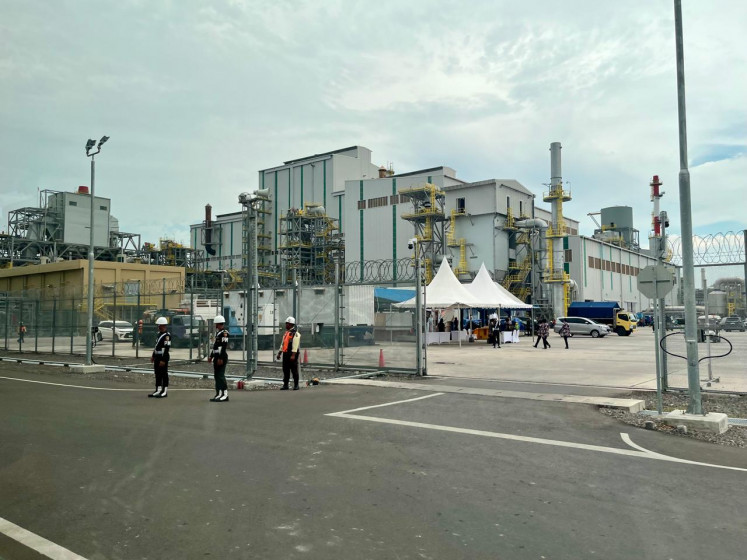
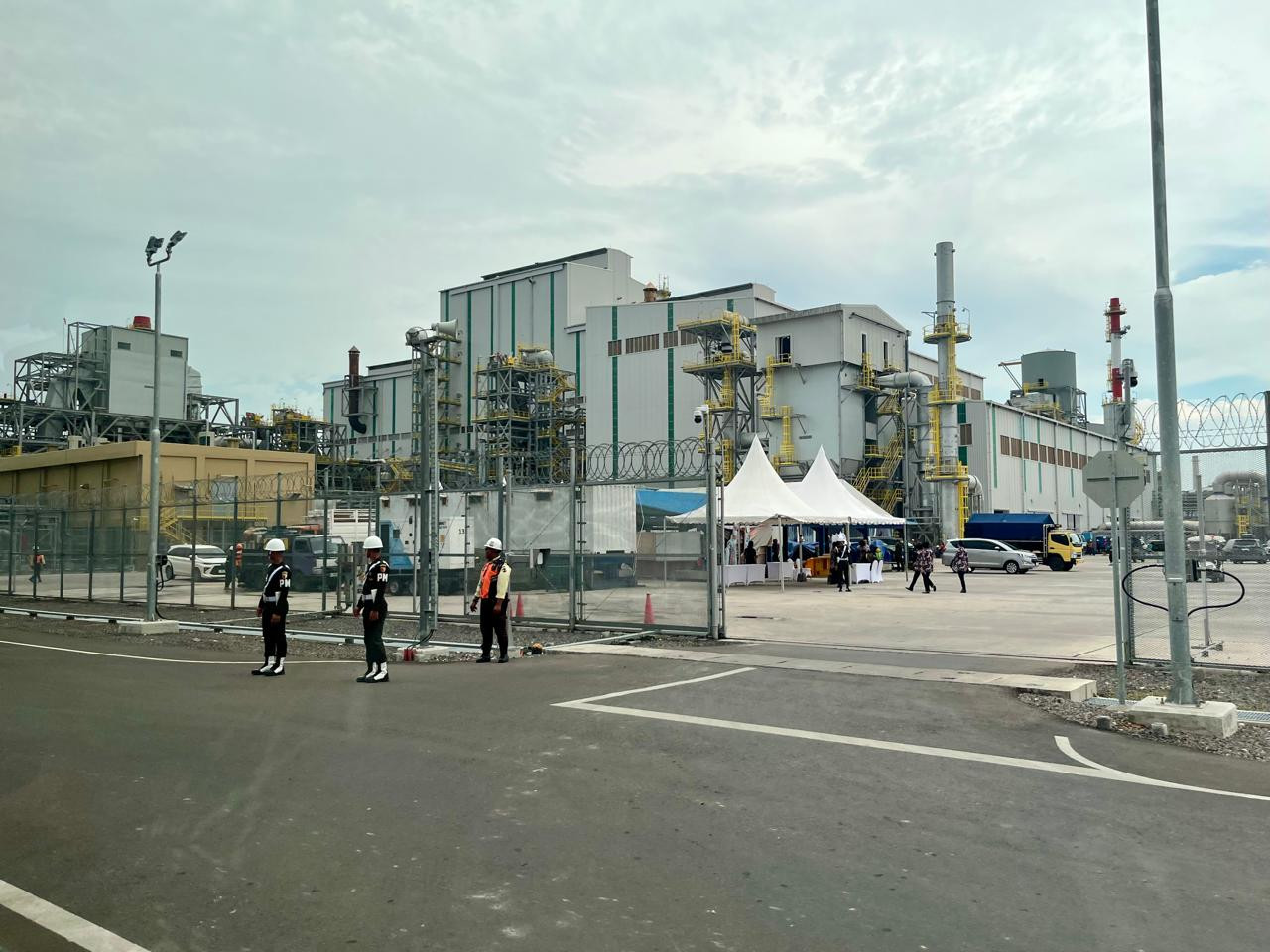 PT Freeport Indonesia’s copper smelter and precious metal refinery in Gresik, East Java, is seen on March 17, 2025.
(JP/Ruth Dea Juwita)
PT Freeport Indonesia’s copper smelter and precious metal refinery in Gresik, East Java, is seen on March 17, 2025.
(JP/Ruth Dea Juwita)
T
he Resource-Based View (RBV) was not created by a single thinker, but rather evolved over several decades through the contributions of multiple economists and strategic management theorists.
Jay Barney is widely regarded as the architect of the modern RBV framework, articulated in his seminal 1991 paper, "Firm Resources and Sustained Competitive Advantage," which established that rare, valuable and inimitable resources yield long-term strategic advantage only when supported by coherent organizational execution.
In the contemporary landscape of the global commodity trade, resource nationalism has reemerged as a dominant framework for developing, resource-rich nations striving to break free from the post-colonial trap of raw material dependency. The core tenet is straightforward: sovereign states must assert strategic control over their mineral endowments to ensure that the primary economic fruits directly benefit their citizens, maximizing domestic value addition and generating broad economic multiplier effects across host regions.
However, the strategic execution of this philosophy often stumbles over a fundamental misunderstanding of the industrial pathway forward. While sustaining and upgrading brownfield processing investments, policymakers must simultaneously articulate a credible global message that attracts targeted "green" foreign direct investment (FDI) essential for sustained national growth. The state, the private sector, local communities and key market stakeholders must all align to transform resource wealth into enduring economic prosperity.
To construct an economically viable framework, policymakers must rigorously distinguish between vertical downstreaming and holistic industrialization.
Downstreaming is merely the initial, supply-side phase of processing raw extractive ore into high-purity, semi-finished intermediate products within domestic borders. Examples include converting raw nickel ore into ferronickel or mixed hydroxide precipitate (MHP), or processing copper-concentrate anode slimes into 99.99 percent pure, investment-grade gold bullion.

Industrialization, conversely, is a demand-driven structural transformation that absorbs these refined metals into a complex, domestic manufacturing ecosystem. It requires deploying refined nickel into local electric vehicle (EV) battery cells, or channeling refined copper and gold into precision aerospace components, high-reliability semiconductors and microelectronics, rather than regressing into technologically low-complexity applications such as commercial jewelry.