The Jakarta Post
Please Update your browser
Your browser is out of date, and may not be compatible with our website. A list of the most popular web browsers can be found below.
Just click on the icons to get to the download page.


Popular Reads
Top Results
No results found. Please check your search term and try again
Can't find what you're looking for?
View all search results
Popular Reads
Top Results
No results found. Please check your search term and try again
Can't find what you're looking for?
View all search resultsIndonesia can't afford to sit out the first cybercrime treaty
With billions of cyberattacks and millions in losses, Indonesia helped write the world’s first UN Cybercrime Treaty - now it must ratify it before borderless syndicates outrun the law.
Change text size
Gift Premium Articles
to Anyone
Share the best of The Jakarta Post with friends, family, or colleagues. As a subscriber, you can gift 3 to 5 articles each month that anyone can read—no subscription needed!
 Set as preferred source
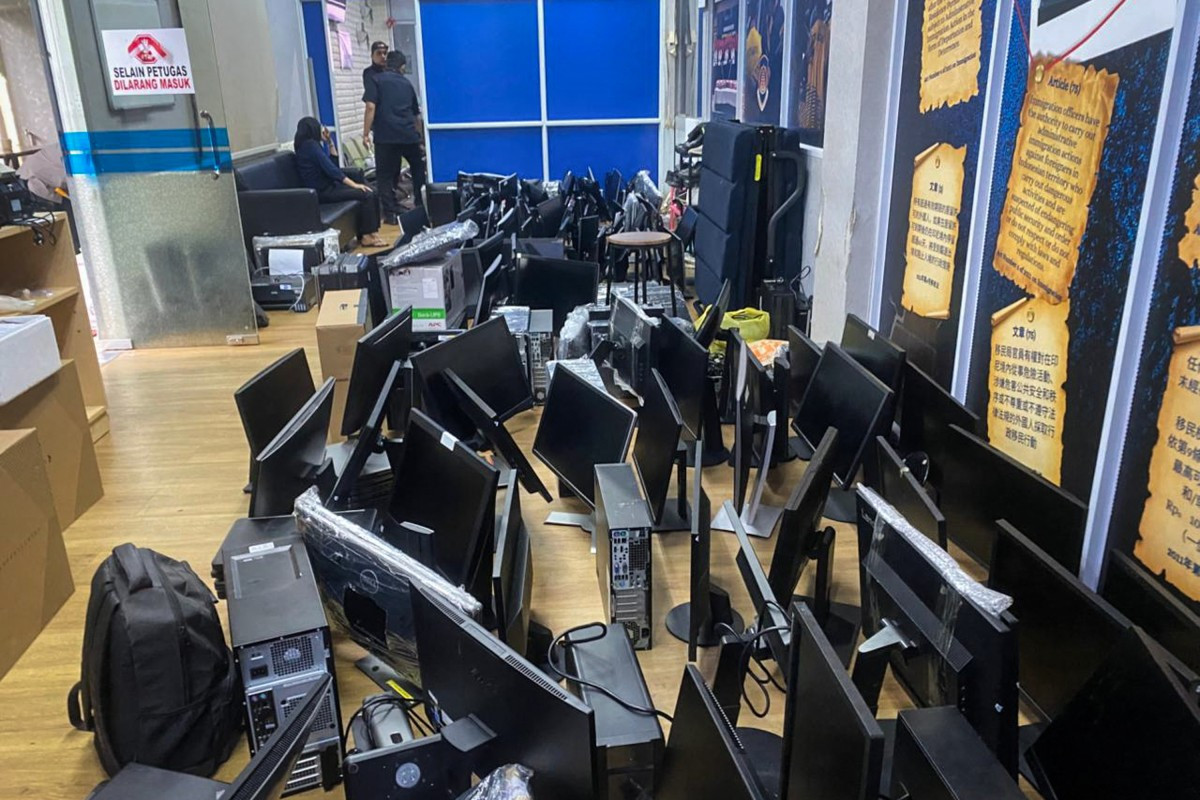 A handout photo taken on May 6 and released by the Batam Immigration Office shows computers seized during a raid by immigration authorities and police that detained 210 foreign nationals over an alleged online investment scam operation at an apartment complex in Batam, Riau Islands. (AFP/Batam Immigration Office)
I
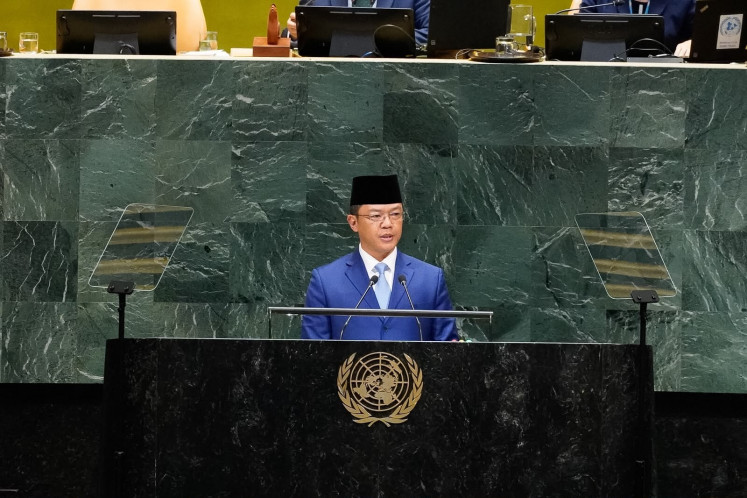
ndonesia took a decisive step in multilateral diplomacy when Foreign Minister Sugiono signed the United Nations Convention against Cybercrime in New York on Sept. 24. With this signature, Jakarta joined what is arguably the most consequential global law enforcement instrument to combat digital criminality in a generation.
Commonly referred to as the Hanoi Convention - named after the Vietnamese capital where it opened for signature in October 2025 - the agreement is the first comprehensive global treaty of its kind. Comprising nine chapters and 68 articles, it was adopted by consensus through UN General Assembly Resolution 79/243 in December 2024 following five years of intensive negotiations.
With Indonesia’s accession, 89 states and the European Union have signed the treaty. It will enter into force once 40 member states ratify it; Vietnam, Qatar and Azerbaijan have already done so.
Indonesia was no mere bystander in this process. Representing the Asia-Pacific regional group, its delegation served as active negotiators and held the rapporteur role for the UN Ad Hoc Committee negotiating the text.
The signing marks a vital milestone for Southeast Asia’s largest digital economy. In 2025 alone, Indonesia registered approximately 5.5 billion cyberattacks - a sevenfold surge over the previous half-decade’s annual average - and incurred more than US$500 million in losses from online fraud and illicit gambling.
INTERPOL’s 2024 Asia and South Pacific Cyberthreat Assessment identified online scams as the region’s primary cyber threat, observing that Southeast Asia has rapidly emerged as an epicenter for organized scam syndicates.

The Hanoi Convention targets the core institutional vulnerability facing law enforcement today: Criminal enterprises operate across digital borders seamlessly, whereas traditional, sovereign investigations do not. Under legacy mutual assistance arrangements, securing cross-border electronic evidence can take months or years—delays syndicates exploit by shifting capital, destroying servers and relocating infrastructure.





Your Opinion Matters
Share your experiences, suggestions, and any issues you've encountered on The Jakarta Post. We're here to listen.
Enter at least 30 characters
0
/ 30
Thank you
Thank you for sharing your thoughts. We appreciate your feedback.