The Jakarta Post
Please Update your browser
Your browser is out of date, and may not be compatible with our website. A list of the most popular web browsers can be found below.
Just click on the icons to get to the download page.


Popular Reads
Top Results
No results found. Please check your search term and try again
Can't find what you're looking for?
View all search results
Popular Reads
Top Results
No results found. Please check your search term and try again
Can't find what you're looking for?
View all search resultsWhy Indonesians feel increasingly bitter today
Indonesia’s rising public anger reflects deeper structural pressures, from elite impunity to digital manipulation, eroding trust in democratic institutions.
Change text size
Gift Premium Articles
to Anyone
Share the best of The Jakarta Post with friends, family, or colleagues. As a subscriber, you can gift 3 to 5 articles each month that anyone can read—no subscription needed!
 Set as preferred source
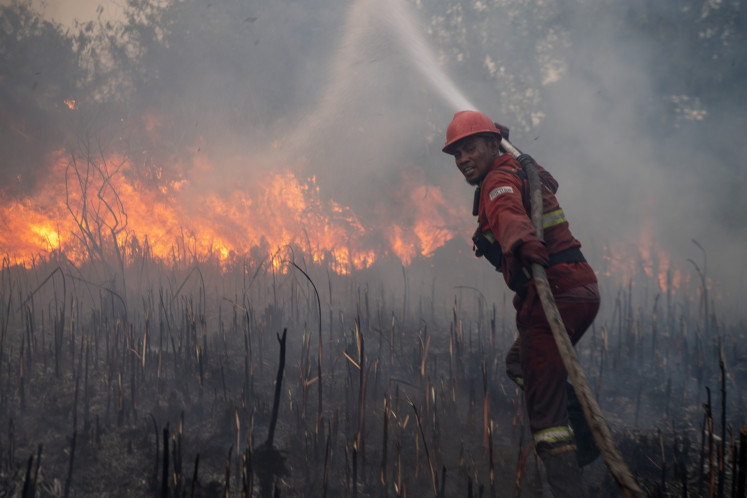
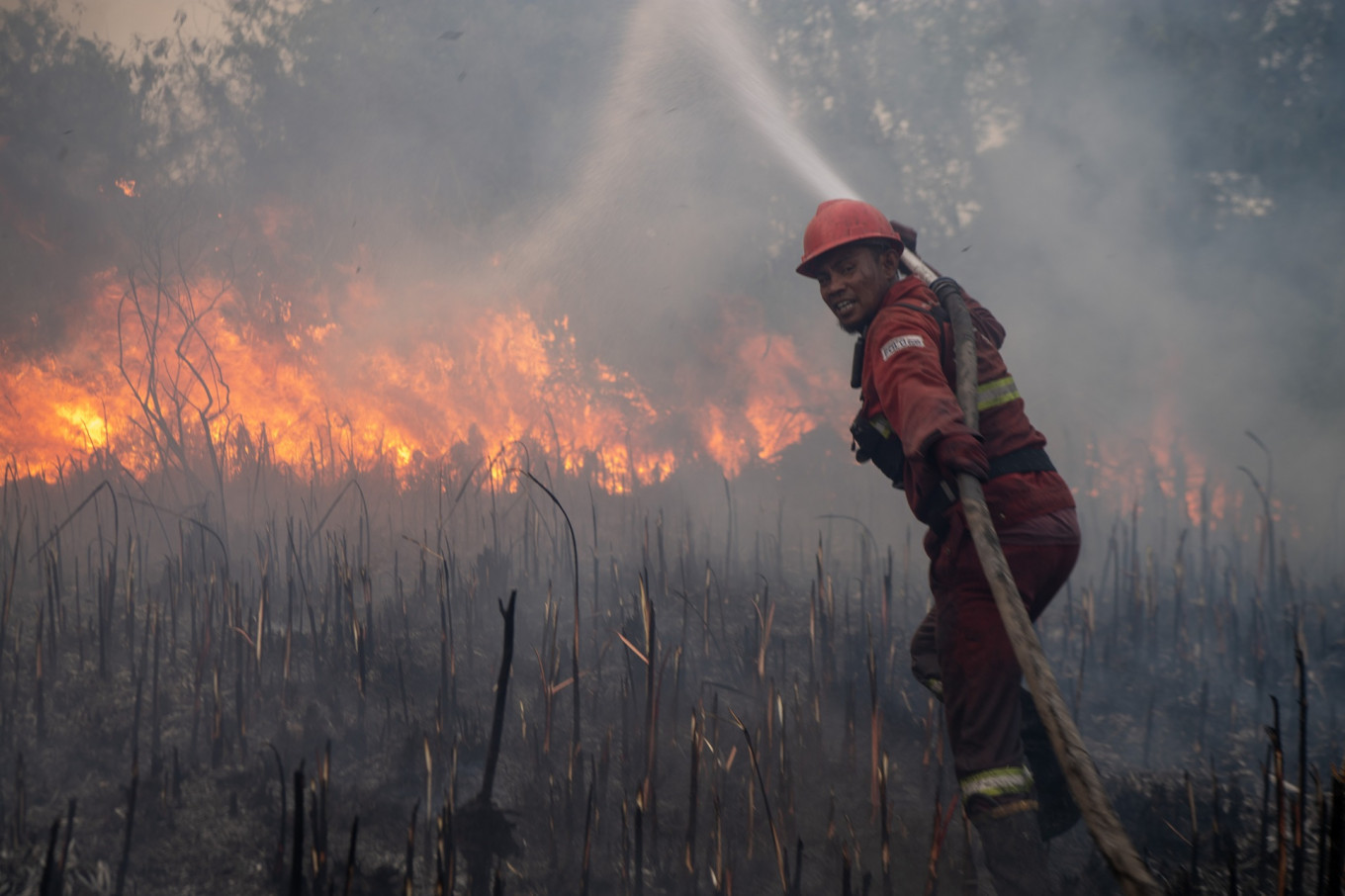 A Manggala Agni forest firefighter struggles to extinguish a forest and land fire in Rambutan village, Ogan Ilir regency, South Sumatra, on Sept. 12, 2026. (Antara/Nova Wahyudi)
I
ndonesia is witnessing a rise in public anger that goes beyond momentary frustration over inequality or political controversy. Social psychologists describe this shift as “ressentiment”, a chronic, internalized condition marked by powerlessness, humiliation and long-term distrust toward institutions. Unlike short-lived outrage, ressentiment persists even after protests fade, shaping political behavior and perceptions of legitimacy.
Across the country, Indonesians are confronted with stark contradictions. Viral images show political families flaunting luxury handbags worth billions of rupiah, flying on private jets or hosting lavish banquets. Meanwhile, mothers faint in long lines for subsidized rice, graduates struggle to find entry-level jobs and factory workers face recurring waves of layoffs. These contrasts are daily realities that shape how Indonesians interpret the behavior of their leaders.
This widening gap between elite spectacle and public hardship has intensified a deeper question: Why are Indonesians so angry?
Social psychologists argue that ressentiment emerges when legitimate grievances repeatedly fail to find institutional remedy. In Indonesia, several structural drivers reinforce this condition.
Indonesia’s public anger is shaped by highly visible displays of impunity among political elites. Corruption suspects routinely smile and wave at cameras while wearing Corruption Eradication Commission (KPK) detention vests, signaling that criminal charges carry little social stigma. High-profile cases involving tax officials, customs officers and regional leaders have shown similar patterns: public apologies are rare, and resignations following ethical breaches are even rarer.
Dynastic political maneuvers have further intensified frustration. The Constitutional Court’s sudden reinterpretation of age eligibility rules ahead of the 2023 presidential election became a national flashpoint. For many Indonesians, it confirmed that legal norms can be bent for elite families.

Elite alienation is further stoked by callous humor from the high echelons of power. When leaders brush aside acute policy failures, such as dismissively mocking widespread school lunch poisonings as media exaggeration and mere “snide remarks from know-it-all pundits,” or flippantly quipping that the nation might just need a dose of authoritarianism to eradicate corruption, it ceases to be harmless levity. Jokes wielded by entrenched power holders function as an aggressive form of “punching down.” This institutional mockery trivializes real public suffering, invalidates legitimate grievances and degrades democratic accountability into a contemptuous spectacle.
These spectacles unfold against a backdrop of rising food prices, stagnant wages and shrinking public services. The contrast between elite privilege and everyday hardship creates a sense of moral injury. Indonesians are not merely angry at corruption; they are angry at the shamelessness with which it is performed.
Ressentiment deepens when Indonesians observe universities and scholars aligning with political and corporate interests. The rapid commercialization of higher education, through bureaucratic performance metrics, consultancy markets and state-linked research funding, has pushed some academics to produce justification papers for controversial legislation such as the Job Creation Law.
In environmental disputes, expert witnesses have defended companies accused of polluting rivers or clearing peatlands, often contradicting findings from independent researchers and community groups. In other cases, academics have provided pseudoscientific rationales for extractive projects that displace rural communities.
This shift erodes the traditional role of Indonesian intellectuals as public watchdogs. When scholars appear to legitimize policies that harm communities, citizens feel deprived of an epistemic compass. The sense of betrayal is particularly acute in rural and working-class communities that once relied on universities to articulate their grievances.
Indonesia’s democratic regression increasingly unfolds through legalistic pathways rather than overt authoritarianism. Major institutional changes, such as the weakening of the KPK, the fast‑tracked problematic legislation passed with minimal public consultation and judicial reinterpretations of electoral rules, have been executed under a veneer of legality.
The antigraft body’s loss of independence, through revisions that curtailed its investigative powers and placed it under civil service oversight, marked a turning point. Many Indonesians saw it as the dismantling of a key Reform-era institution that once symbolized accountability.
These developments mirror global patterns of autocratic legalism, but their impact in Indonesia is uniquely felt because they target institutions that citizens relied on to check elite power. As legal channels narrow and oversight bodies lose independence, Indonesians experience heightened political impotence. The perception that “the law serves the powerful” fuels long-term bitterness toward the state.
Indonesia’s digital ecosystem has become a battleground for political image-making. State-aligned cyber troops, coordinated influencer networks and AI-generated content work to portray dynastic elites as humble, relatable and close to ordinary citizens. Deepfakes and algorithmic amplification further blur the line between authentic communication and engineered narratives.
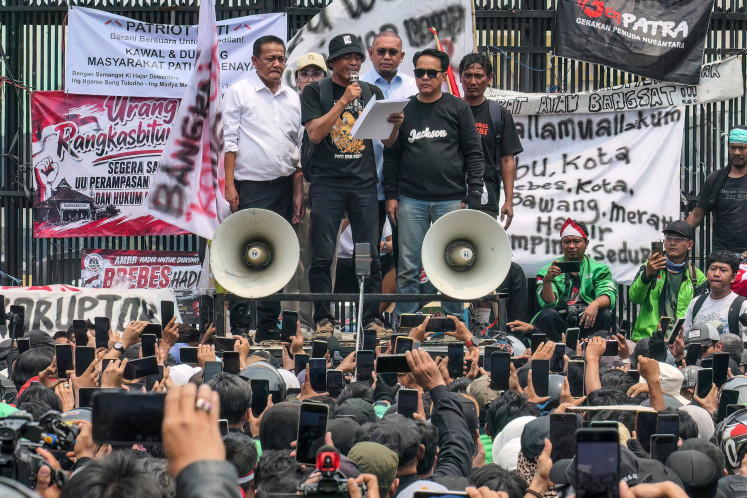
This digital optimism collided sharply with public sentiment during the #IndonesiaGelap (Dark Indonesia) protests in early 2025. Demonstrators across major cities criticized budget cuts to social programs, rising living costs and shrinking job opportunities. In response, officials and government-aligned influencers promoted the counter‑narrative “Indonesia is not bleak”, framing the protests as exaggerated and insisting that economic conditions were improving.
For many Indonesians, this messaging felt dismissive. Households experiencing inflation, layoffs and reduced subsidies perceived the “not bleak” narrative as a form of political gaslighting. The anger was not only about hardship, it was about being told that hardship did not exist. The clash between lived reality and digital messaging intensified ressentiment, reinforcing the belief that political branding has become detached from everyday life.
Indonesia’s socio‑ecological crises, annual forest and peatland fires, land dispossession, water contamination and rising temperatures, are daily realities for communities in Sumatra, Kalimantan and eastern Indonesia. Rural families breathe toxic haze for months, farmers lose ancestral land to mining concessions and children fall ill from polluted air and water.
Public anger grows when authorities downplay these impacts, with statements claiming that “the previous forest fires were worse”. Such minimization reinforces perceptions of institutional indifference toward bodily suffering. For affected communities, environmental harm becomes inseparable from political ressentiment, rooted in the belief that extractive profits flow upward while risks and losses are borne locally.
Indonesia’s contemporary tensions echo themes articulated by poet WS Rendra nearly five decades ago. In "Sajak Sebatang Lisong" (1978), he depicted a political economy dominated by extractive elites and unresponsive institutions:
“I ask, but my questions collide against the jammed desks of power.”
Rendra urged Indonesians to confront structural problems directly, not through imported formulas or technocratic optimism. His call to “record the symptoms” and “immerse in real problems” resonates today as citizens navigate economic pressure, environmental harm and institutional decline.
Indonesia’s rising ressentiment signals more than public dissatisfaction, it reflects a deeper crisis of democratic legitimacy. When citizens believe institutions no longer serve them, political stability becomes increasingly fragile.
Addressing this condition requires rebuilding trust through structural reforms, transparent governance and genuine accountability. Without these changes, ressentiment may continue to shape Indonesia’s political landscape in ways that challenge social cohesion and democratic resilience.
---
The writer is a professor in social psychology at Binus University.