The Jakarta Post
Please Update your browser
Your browser is out of date, and may not be compatible with our website. A list of the most popular web browsers can be found below.
Just click on the icons to get to the download page.


Popular Reads
Top Results
No results found. Please check your search term and try again
Can't find what you're looking for?
View all search results
Popular Reads
Top Results
No results found. Please check your search term and try again
Can't find what you're looking for?
View all search resultsWhen volcanoes reshape geopolitics and ASEAN's balance of power
Superpowers and treaties shape the balance of power in Southeast Asia; until the volcanoes beneath them decide to rewrite the map.
Change text size
Gift Premium Articles
to Anyone
Share the best of The Jakarta Post with friends, family, or colleagues. As a subscriber, you can gift 3 to 5 articles each month that anyone can read—no subscription needed!
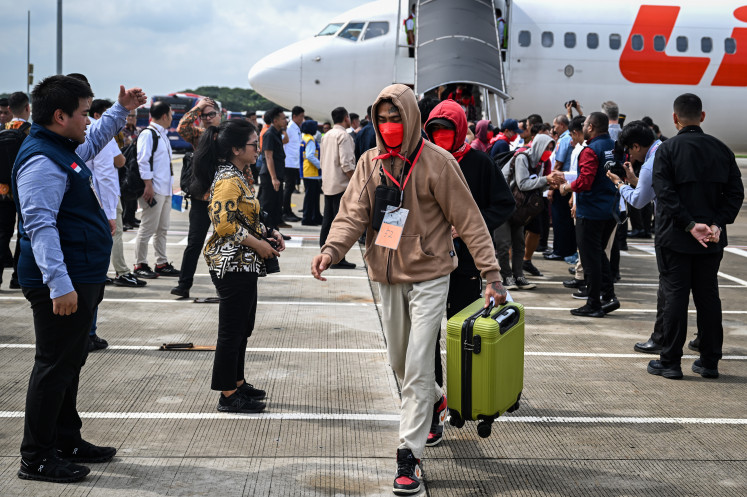
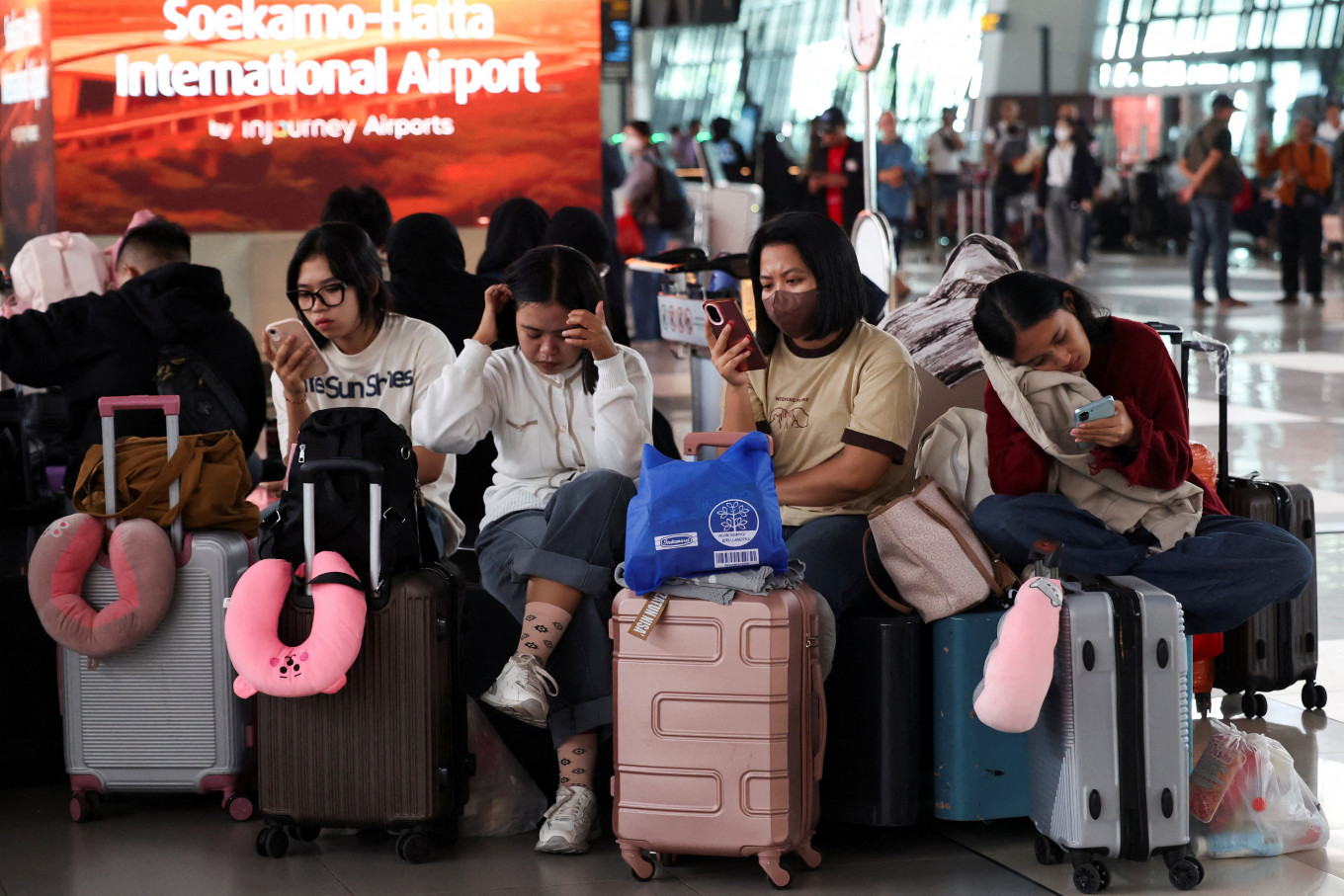 Stranded passengers wait in a terminal at Soekarno-Hatta International Airport in Tangerang on Sept. 7, 2026, after the main airport serving Jakarta halted operations following the eruption of Mount Anak Krakatau in the Sunda Strait. (Reuters/Ajeng Dinar Ulfiana)
N
atural disasters recognize neither national sovereignty, military strength, nor economic rank. Yet when they strike at precisely the wrong place and time, they can fundamentally alter all three.
A volcano cannot deliberate foreign policy, but it can tear through the critical infrastructure, defense installations, trade arteries and political assumptions on which national power rests. That is the blunt strategic reality ASEAN must confront as Anak Krakatau in Indonesia stirs once again.
Looming in the Sunda Strait between Java and Sumatra, Anak Krakatau is far more than just another restless cone along the Pacific Ring of Fire. It sits directly beside one of Southeast Asia’s vital maritime passages, wedged between the two islands that anchor Indonesia’s demographic and economic core. Its very presence evokes the catastrophe of 1883, when its progenitor Krakatau obliterated itself and unleashed tsunamis that claimed tens of thousands of lives.
The premise is straightforward: While the Earth cannot be reasoned with, its geopolitical fallout can be managed. When a disaster levels strategic assets, severs trade corridors, displaces entire populations or forces a government to rely on foreign aid, the distribution of regional power shifts.
Southeast Asia has seen this collision of geology and statecraft before. When Mount Pinatubo in the Philippines erupted in June 1991, it delivered one of the largest volcanic blasts of the 20th century, blanketing Central Luzon in ash and displacing hundreds of thousands.
Yet Pinatubo’s shockwave carried far beyond the physical fallout. It struck just as Southeast Asia’s strategic landscape was already fracturing: The Cold War was drawing to a close, Philippine domestic politics was turning sharply nationalist, and negotiations over the long-term presence of American military bases had reached a bitter deadlock.

Then the volcano blew.