The Jakarta Post
Please Update your browser
Your browser is out of date, and may not be compatible with our website. A list of the most popular web browsers can be found below.
Just click on the icons to get to the download page.


Popular Reads
Top Results
No results found. Please check your search term and try again
Can't find what you're looking for?
View all search results
Popular Reads
Top Results
No results found. Please check your search term and try again
Can't find what you're looking for?
View all search resultsAsia's natural disasters must not become financial crises
Physical hazards can quickly morph into macroeconomic shocks.
Change text size
Gift Premium Articles
to Anyone
Share the best of The Jakarta Post with friends, family, or colleagues. As a subscriber, you can gift 3 to 5 articles each month that anyone can read—no subscription needed!
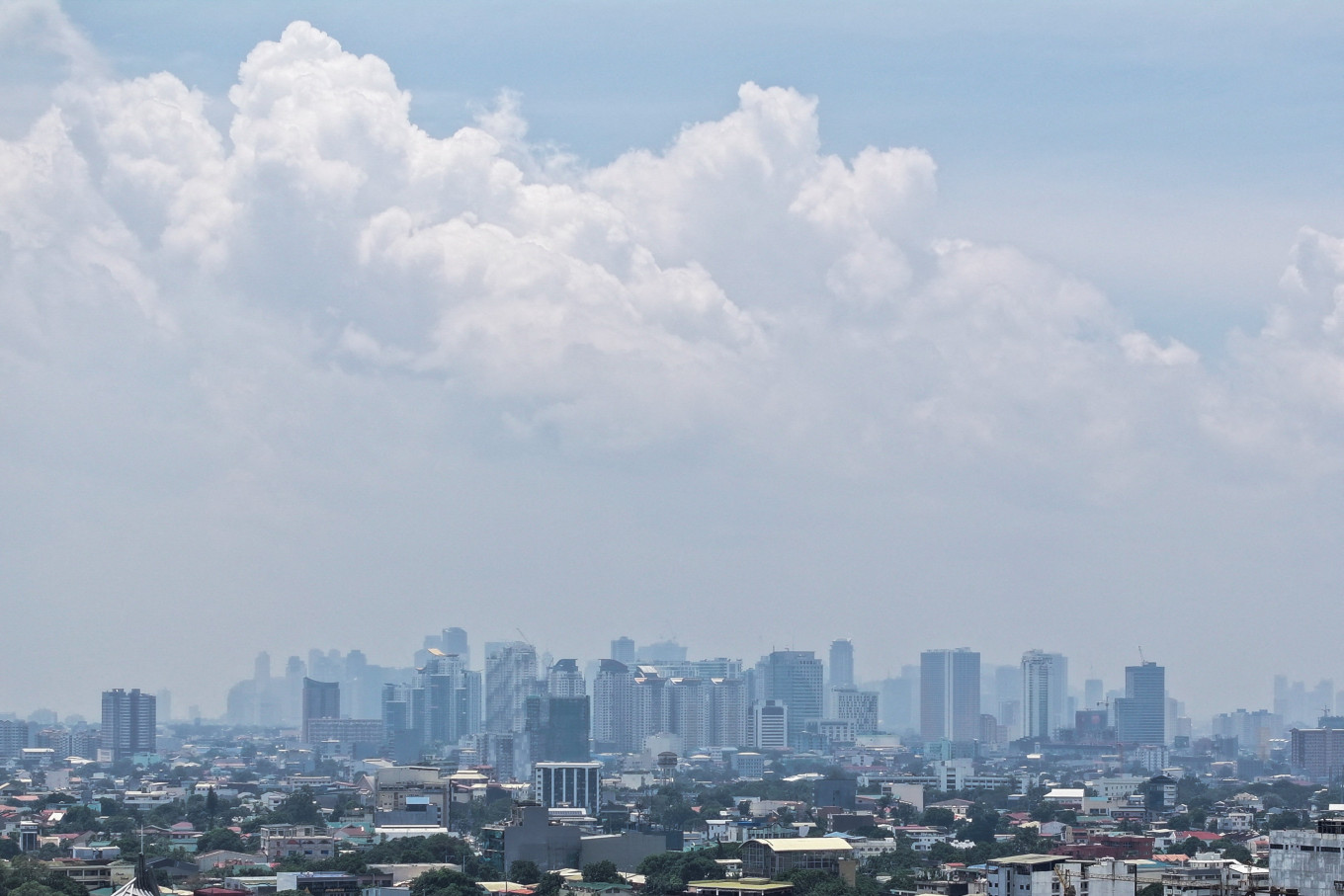 A thick haze shrouds Metro Manila due to smoke from ongoing fires in Kalimantan, Indonesia, in this drone picture taken in Quezon City, Philippines, on Sept. 1, 2026. (Reuters/Adrian Portugal)
T
he catastrophic flooding in Nepal has demonstrated, once again, the devastating human and economic toll of climate change. The immediate priority must be to save lives and support affected communities. But the devastation also highlights how physical hazards can quickly morph into macroeconomic shocks.
These events have different causes, and no single disaster should be casually attributed to El Niño or climate change. Nonetheless, the World Meteorological Organization expects a strong El Niño to intensify from August through October, increasing the likelihood of above-normal temperatures in much of the world and major shifts in rainfall. In Southeast Asia, El Niño often brings drier conditions and raises the risk of drought, wildfires and haze, although its effects vary across countries and seasons.
For policymakers, the imperative is to prepare for the economic chain reactions triggered by extreme weather events. Droughts, floods and heat waves damage crops and infrastructure. In countries with inadequate food stocks, weak logistics and concentrated import sources, lower production can lead to shortages, higher prices and declining household purchasing power. Governments face pressure to subsidize prices or facilitate emergency imports, while central banks confront the difficult combination of supply-driven inflation and weaker demand.
Then comes the fiscal aftershock. If roads, ports, irrigation systems, schools and hospitals cannot be repaired or replaced in a timely manner, temporary disruptions can turn into a permanent drag on productive capacity. Governments may be forced to divert spending from development, borrow at short notice, or wait for external assistance. A post-disaster financing gap can all too easily become a long-lasting economic slump.
When disaster strikes, countries must be prepared not only to limit physical damage, but also to reduce economic downtime, maintain essential public services, contain financial stress and prevent short-term losses from weakening long-term growth. A robust, rapid recovery requires providing humanitarian support and stabilizing macroeconomic conditions.
The scale of the challenge is staggering. According to the United Nations Office for Disaster Risk Reduction, direct disaster losses averaged US$180–200 billion annually between 2001 and 2020. When accounting for indirect, cascading and ecosystem effects, the total annual cost rises to more than $2.3 trillion.

Asia must be prepared. To that end, in May, finance ministers and central bank governors from ASEAN+3 countries (the Southeast Asian member states, plus China, Japan and South Korea) endorsed the Disaster Risk Financing Initiative’s 2026–28 roadmap. This framework will help members develop national disaster-risk financing strategies and expand their use of insurance, catastrophe bonds and other relevant instruments.