The Jakarta Post
Please Update your browser
Your browser is out of date, and may not be compatible with our website. A list of the most popular web browsers can be found below.
Just click on the icons to get to the download page.


Popular Reads
Top Results
No results found. Please check your search term and try again
Can't find what you're looking for?
View all search results
Popular Reads
Top Results
No results found. Please check your search term and try again
Can't find what you're looking for?
View all search resultsPrabowo’s dual citizenship push: A constitutional test
While framed as a strategy to attract top global talent, Indonesia’s push for dual citizenship hinges not on political vision, but on whether lawmakers can navigate the constitutional and statutory safeguards required to make it work.
Change text size
Gift Premium Articles
to Anyone
Share the best of The Jakarta Post with friends, family, or colleagues. As a subscriber, you can gift 3 to 5 articles each month that anyone can read—no subscription needed!
 Set as preferred source
 Headshot: An immigration officer takes a picture of a passport applicant at the Class I Immigration Office in Palembang, South Sumatra, on Aug. 3, 2026. (Antara/Nova Wahyudi)
W
hen President Prabowo Subianto proposed introducing limited dual citizenship for high-value talent—such as scientists, athletes, healthcare professionals and artists—during his State of Union Address on Aug. 14, he revived one of the most fiercely contested debates in contemporary Indonesian legal history.
Yet, much of the public commentary has overlooked a crucial dimension: this is not merely a diaspora policy initiative, but a profound constitutional question. The real challenge lies in translating executive intent into sound statutory law.
Under Article 26 of the 1945 Constitution, matters concerning citizenship are explicitly left to statutory regulation. Because the Constitution contains no textual prohibition against dual nationality, the issue remains an open legal policy entrusted to the House of Representatives and the President.
The current framework originates in post-reform constitutional amendments. Articles 28D(4) and 28E(1) established fundamental guarantees: the right to citizenship status and the freedom to choose one's nationality. Law No. 12/2006 on Citizenship was enacted to realize these guarantees and remedy the hardships created by the 1958 Citizenship Law, which had long stranded mixed-marriage families and the Indonesian diaspora in legal uncertainty.
While the 2006 law established single citizenship as the default, it introduced limited dual nationality for children of mixed marriages, requiring them to choose a single passport upon turning 18 or marrying.
Seen in this light, President Prabowo’s initiative does not venture into uncharted constitutional territory; it simply resumes a legislative negotiation that began during the reform era and was only partially resolved in 2006.

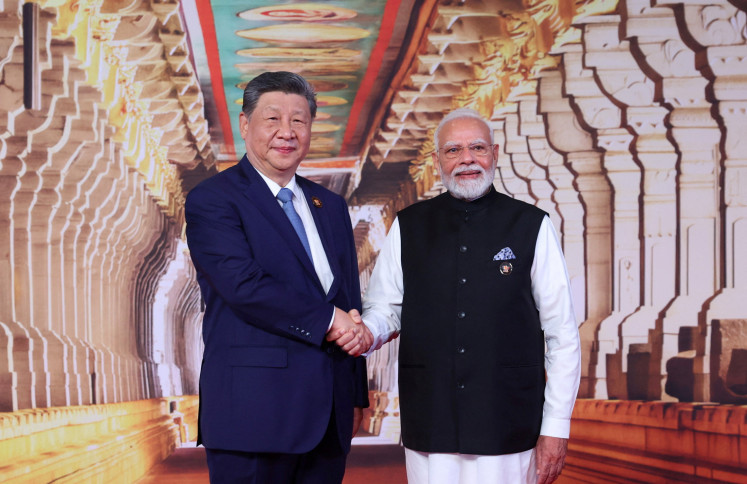
Two international models illustrate the options available to Indonesian lawmakers. On one end of the spectrum, India faces a strict constitutional barrier under Article 9, which forecloses any legislative path to genuine dual nationality.