The Jakarta Post
Please Update your browser
Your browser is out of date, and may not be compatible with our website. A list of the most popular web browsers can be found below.
Just click on the icons to get to the download page.


Popular Reads
Top Results
No results found. Please check your search term and try again
Can't find what you're looking for?
View all search results
Popular Reads
Top Results
No results found. Please check your search term and try again
Can't find what you're looking for?
View all search resultsFrom manufactured chaos to people’s real grievances
Behind the state’s narrative of manufactured chaos lies an undeniable reality: an overburdened public rising up to demand economic fairness, accountability and genuine justice.
Change text size
Gift Premium Articles
to Anyone
Share the best of The Jakarta Post with friends, family, or colleagues. As a subscriber, you can gift 3 to 5 articles each month that anyone can read—no subscription needed!
 Set as preferred source
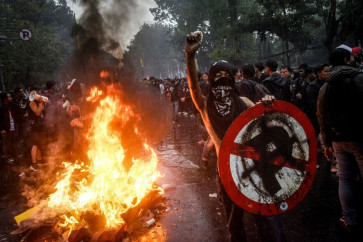
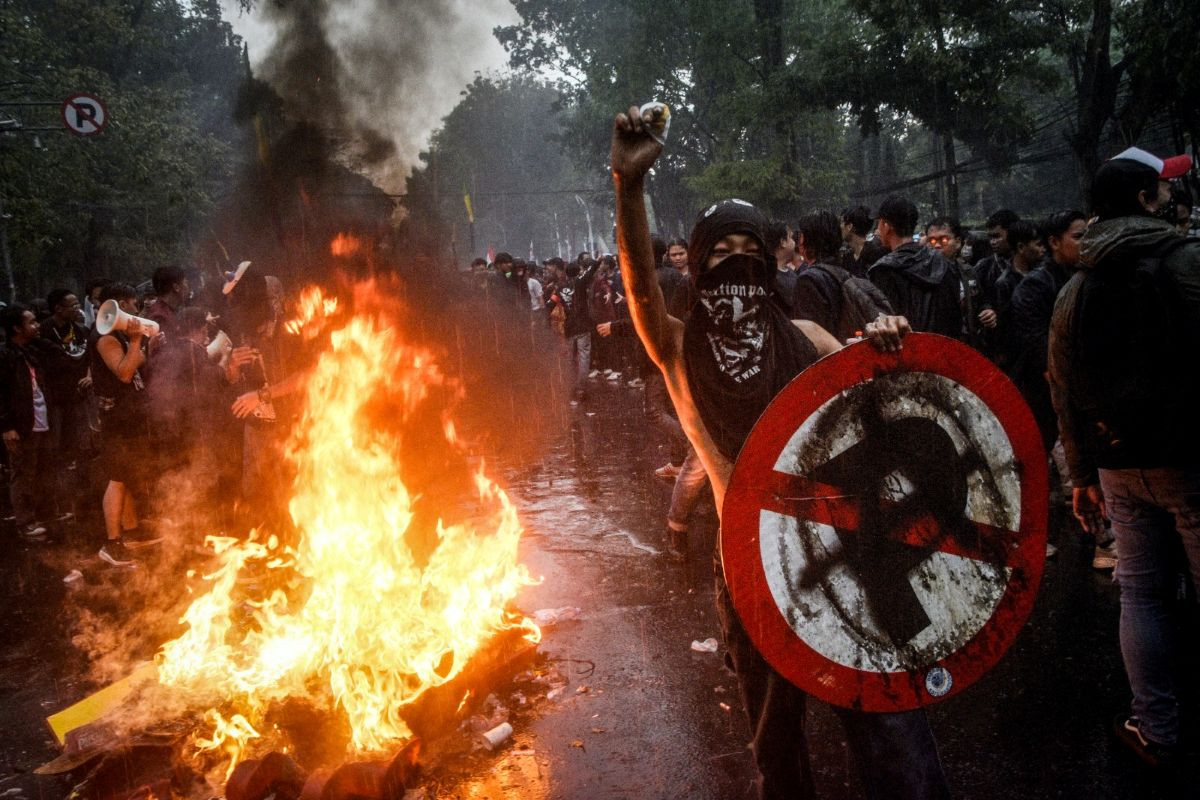 Fire of fury: People take part in a protest in Bandung, West Java, on Aug. 29, 2025, following the death of an ojol (online motorcycle transportation) driver who was run over by an armored Brimob (Mobile Brigade Corps) vehicle the night before.
(AFP/Timur Matahari)
Fire of fury: People take part in a protest in Bandung, West Java, on Aug. 29, 2025, following the death of an ojol (online motorcycle transportation) driver who was run over by an armored Brimob (Mobile Brigade Corps) vehicle the night before.
(AFP/Timur Matahari)
L
eading up to Independence Day, digital platforms were flooded with narratives portraying mass mobilization as coordinated chaos while burying reports of media suppression. It is a familiar playbook of information manipulation. Yet, dismissive claims of online hoaxes cannot obscure the on-the-ground reality: public unrest is fueled by tangible, everyday grievances.
Ordinary citizens face mounting economic strain, squeezed between widespread layoffs and an increasingly aggressive tax net. Making matters worse is the conspicuous lack of accountability among political elites. Public funds are disbursed with little transparency, even though taxpayers finance up to 83 percent of the national budget.
This discontent has been brewing for a long time. In August 2025, students and civil society activists led peaceful nationwide demonstrations against sharp spikes in the cost of living, hardships made more glaring by legislative pay raises and lavish official perks. Civic resistance had already erupted in Pati, Central Java, after a sudden 250 percent property tax hike effectively tripled local rates, signaling to many that their representatives were indifferent to everyday struggles.
The August 2025 protests took a tragic turn when an online motorcycle taxi driver, Affan Kurniawan, was struck and killed by a police tactical vehicle. As crowds swelled into the night, chaotic unrest and targeted looting hit the residences of several lawmakers and then-finance minister Sri Mulyani Indrawati. A subsequent inquiry by the Civil Society Coalition identified two distinct dynamics: while the organized rallies remained peaceful, the ensuing late-night vandalism pointed to deliberate outside provocation rather than grassroots intent.
Despite widespread demands for accountability, President Prabowo Subianto has resisted establishing an independent probe into these events. Civil society organized its push around the "17+8 People’s Demands", a reform road map split into 17 immediate measures due by Sept. 5, 2025, and eight structural goals set for Aug. 31, 2026. The immediate demands focused on rolling back predatory policies, halting military encroachment into civilian roles, dropping charges against protesters, freezing legislative salary increases, securing living wages and stopping mass layoffs.
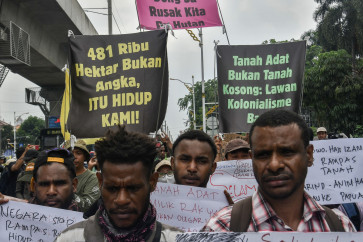
They also demanded the prosecution of abusive officers and an impartial investigation into the fatal crackdown. The longer-term platform targeted systemic reform: overhauling political parties and legislative oversight, returning troops to barracks, passing an asset forfeiture bill, establishing equitable tax systems and protecting indigenous lands from unchecked resource extraction.

Nearly a year later, the political establishment has largely sidelined these calls. The government’s lone substantive gesture, a task force for police reform acceleration, has left institutional inertia largely untouched.