The Jakarta Post
Please Update your browser
Your browser is out of date, and may not be compatible with our website. A list of the most popular web browsers can be found below.
Just click on the icons to get to the download page.


Popular Reads
Top Results
No results found. Please check your search term and try again
Can't find what you're looking for?
View all search results
Popular Reads
Top Results
No results found. Please check your search term and try again
Can't find what you're looking for?
View all search resultsWhat kind of leaders does Indonesia want?
While a public service academy has a place in the education ecosystem, nurturing future leaders that can navigate the country's positioning in the global arena of technology, innovation and business doesn't require building a whole new institution.
Change text size
Gift Premium Articles
to Anyone
Share the best of The Jakarta Post with friends, family, or colleagues. As a subscriber, you can gift 3 to 5 articles each month that anyone can read—no subscription needed!
 Set as preferred source
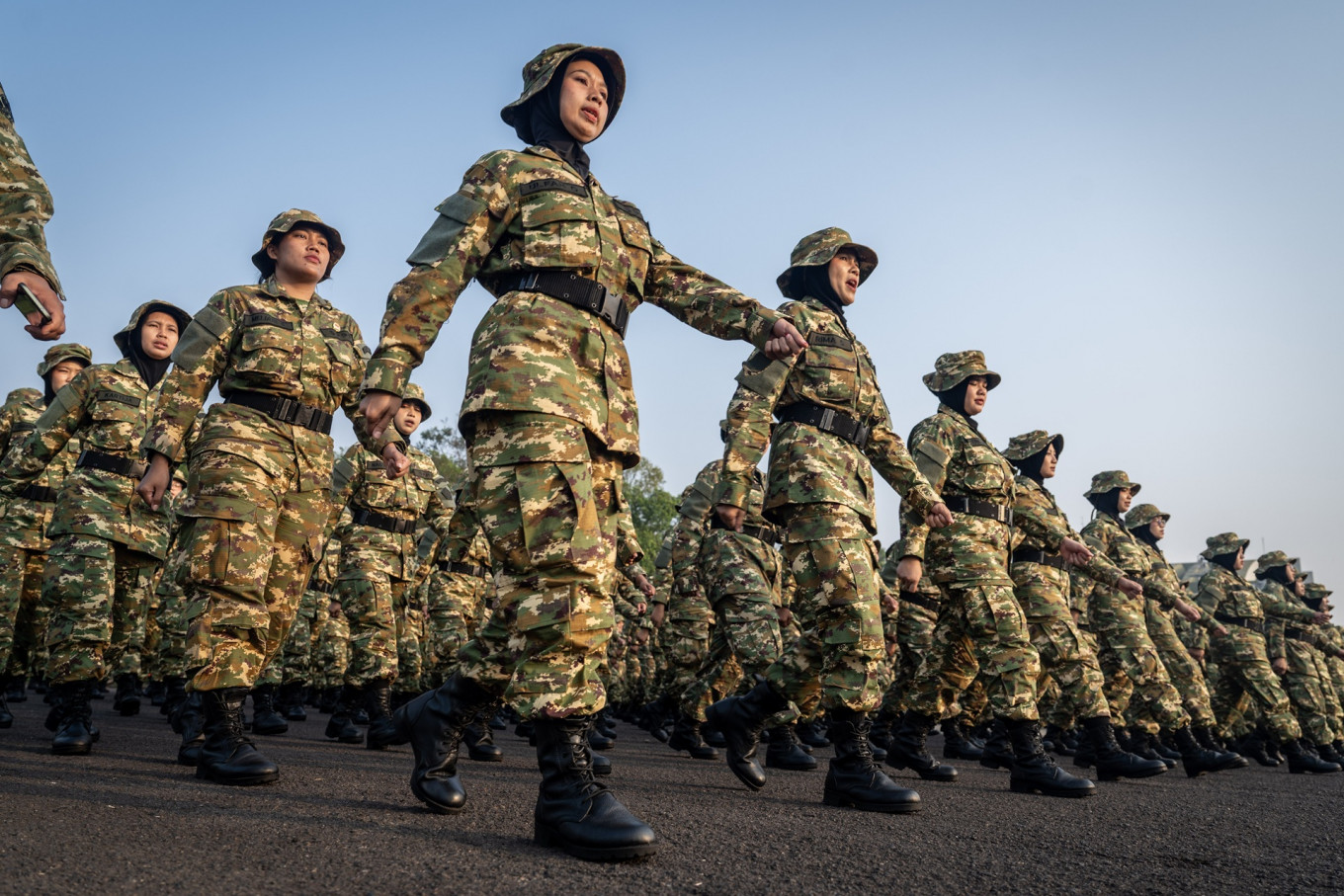 Manager candidates of the Red and White Cooperatives march in full camo outfits on July 31, 2026, prior to attending the closing ceremony for the Defense Ministry’s Bachelor of Indonesian Development Drivers (SPPI) degree program at Halim Perdanakusuma Air Force Base in East Jakarta. (Antara/Bayu Pratama S.)
H
aving taught at Indonesian universities for several years as a foreign academic, I received the announcement of Universitas Republik Indonesia (University of the Republic of Indonesia; URI) with deep concern.
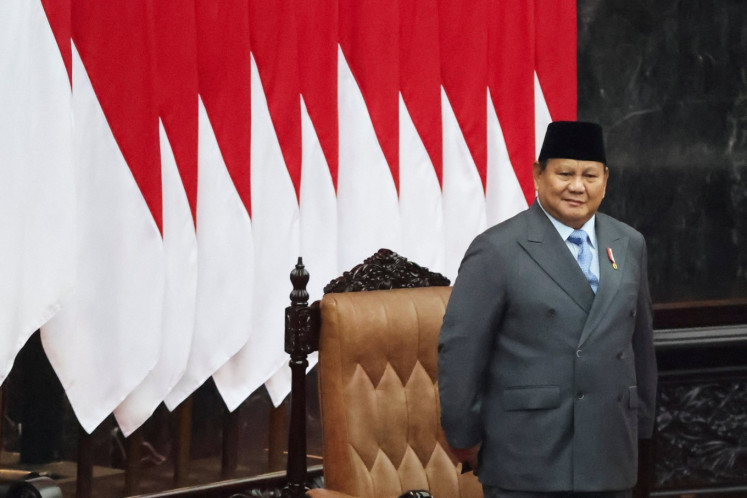
On July 22, President Prabowo Subianto installed a retired Air Force marshal to lead a brand-new institution meant to forge the country's future leaders of government and state-owned enterprises.
Officials soon confirmed the real scale of the ambition: not one campus but 10. The first would rise on a former oil palm plantation in Bogor, West Java, funded by the state budget. The model, they said, was loosely borrowed from France's elite civil service academy, Institut National du Service Public (INSP).
URI is, first of all, an expensive solution to a problem Indonesia does not actually have. The country already possesses universities capable of producing serious national leaders. The University of Indonesia, Gadjah Mada University, the Bandung Institute of Technology (ITB) and others have done so for decades, yet many are currently struggling.
M. Zainuddin, former rector of State Islamic University (UIN) Malang, pointed out in a widely shared op-ed that Indonesia's research output trailed its neighbors badly, sitting at around 395 researchers per million people compared to 4,000-8,000 in advanced economies. Meanwhile, research and development spending remained stuck near 0.2-0.3 percent of gross domestic product.
His conclusion was blunt: Money should go toward closing this gap “instead of adding a new university that will burden the state budget”.

If the goal is better leadership, the faster route is strengthening the solid universities Indonesia already has, not building a parallel system created by decree from scratch.