The Jakarta Post
Please Update your browser
Your browser is out of date, and may not be compatible with our website. A list of the most popular web browsers can be found below.
Just click on the icons to get to the download page.


Popular Reads
Top Results
No results found. Please check your search term and try again
Can't find what you're looking for?
View all search results
Popular Reads
Top Results
No results found. Please check your search term and try again
Can't find what you're looking for?
View all search resultsAnalysis: Perry’s resignation revives questions over BI independence
Change text size
Gift Premium Articles
to Anyone
Share the best of The Jakarta Post with friends, family, or colleagues. As a subscriber, you can gift 3 to 5 articles each month that anyone can read—no subscription needed!
 Set as preferred source
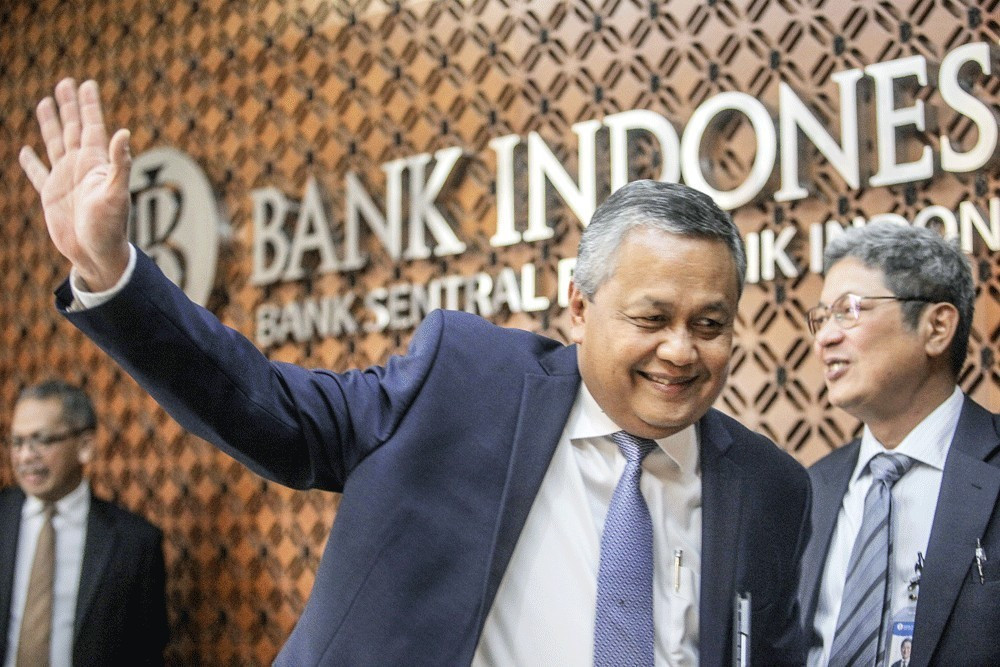 Bank Indonesia Governor Perry Warjiyo (Antara/Muhammad Adimaja) (Antara/Muhammad Adimaja))
B
ank Indonesia (BI) Governor Perry Warjiyo has resigned, becoming the latest senior fiscal and monetary policymaker to leave office over the past year. After more than four decades helming the central bank, his decision to step down in the middle of his second term comes at a time of heightened global economic uncertainty, mounting domestic fiscal pressures and weakening market confidence. Perry’s departure has reignited debate over the central bank’s independence amid growing state policy priorities.
Selecting a credible successor will be critical to restoring market confidence and reaffirming the central bank’s autonomy. Following Perry’s resignation, the central bank’s senior deputy governor Destry Damayanti was appointed acting governor. She is also among the names being discussed as his potential permanent successor alongside Finance Minister Purbaya Yudhi Sadewa, BI Deputy Governor Aida S. Budiman, former BI governor Burhanuddin Abdullah, former Financial Services Authority (OJK) chief commissioner Muliaman D. Hadad and BI Deputy Governor Thomas Djiwandono.
Joining the central bank in 1984, Perry was first appointed BI governor in 2018 and then reappointed for the 2023-2028 term. Under his leadership, BI navigated a series of major economic shocks, including the taper tantrum, the COVID-19 pandemic and its aftermath and heightened geopolitical tensions in the Middle East. The central bank also expanded its policy toolkit by introducing foreign exchange (forex) open market operations alongside new instruments such as BI Rupiah Securities (SRBI) and BI Foreign Exchange Securities (SVBI).
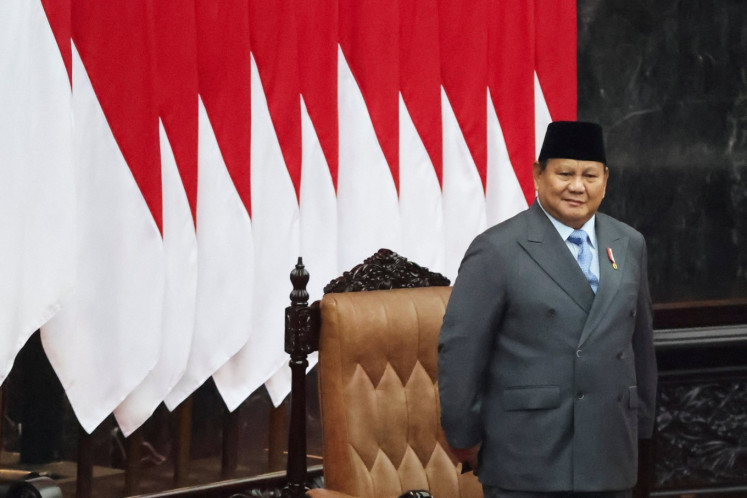
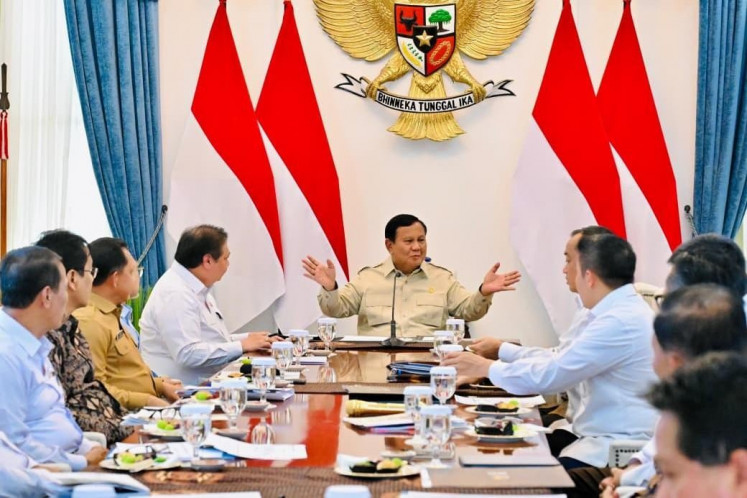
Pressure on the rupiah intensified at the beginning of 2026. The currency's continued weakness in turn heightened political pressure on Perry. During a meeting in May involving several ministers and members of the Financial System Stability Committee (KSSK), President Prabowo Subianto reportedly expressed frustration over the rupiah's performance.
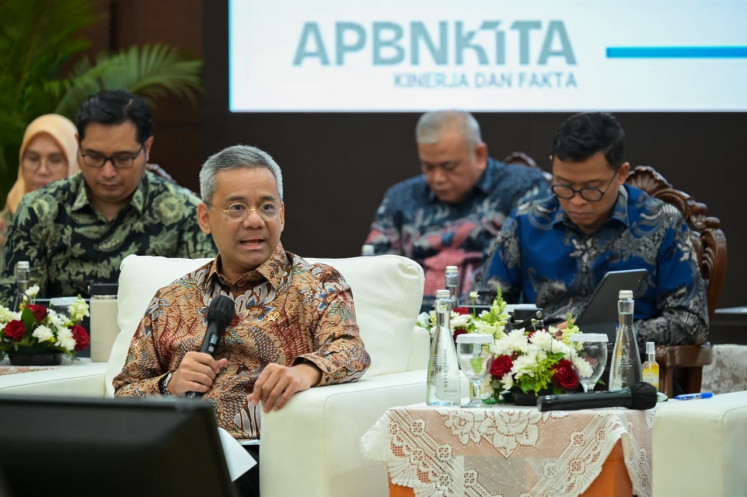
Meanwhile, tensions emerged between BI and Finance Minister Purbaya Yudhi Sadewa over the placement of the government's accumulated budget surplus (SAL). Since September 2025, part of the approximately Rp 281 trillion SAL had been deposited in state-owned banks to support lending and stimulate economic growth. Perry reportedly requested that the funds be returned to the government's account at BI, as banking liquidity was already adequate. Purbaya opposed the proposal, citing concerns that withdrawing the funds could disrupt banking liquidity and undermine one of his flagship economic policies.
Broader concerns over BI’s independence also grew as the government became more directly involved in the central bank’s leadership. Former deputy finance minister Thomas Djiwandono, Prabowo’s nephew, was appointed BI deputy governor to replace Juda Agung, who took over the post Thomas had vacated.

Exchanging the figures in these senior positions fueled a perception that the administration was seeking greater influence over BI, at a time the central bank was facing increasing fiscal constraints in financing the government’s priority programs.