The Jakarta Post
Please Update your browser
Your browser is out of date, and may not be compatible with our website. A list of the most popular web browsers can be found below.
Just click on the icons to get to the download page.


Popular Reads
Top Results
No results found. Please check your search term and try again
Can't find what you're looking for?
View all search results
Popular Reads
Top Results
No results found. Please check your search term and try again
Can't find what you're looking for?
View all search resultsSelective justice
The Prabowo administration’s aggressive corporate crackdowns risk looking less like impartial justice and more like selective enforcement: a dangerous signal that could spook the very investors the country needs to sustain growth.
Change text size
Gift Premium Articles
to Anyone
Share the best of The Jakarta Post with friends, family, or colleagues. As a subscriber, you can gift 3 to 5 articles each month that anyone can read—no subscription needed!
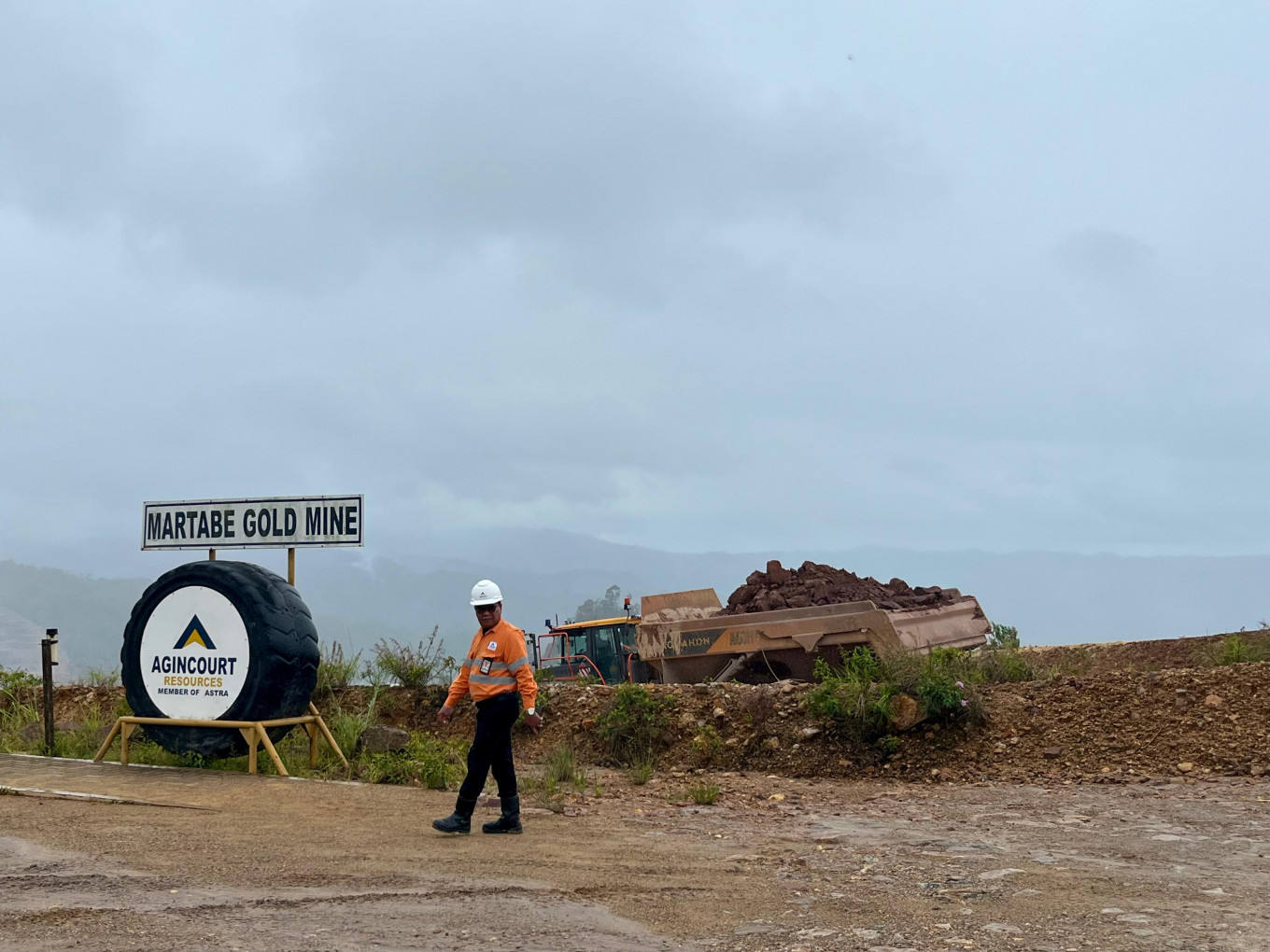 A worker walks near a sign for the Martabe gold mine operated by PT Agincourt Resources, the mining arm of PT Astra International, in Batang Toru district, South Tapanuli regency, North Sumatra, in this undated file photo. (JP/Ruth Dea Juwita)
P
resident Prabowo Subianto has made holding economic wrongdoers accountable a defining theme of his administration. However, as high-profile crackdowns increasingly appear to target private companies, the campaign risks being seen as selective enforcement rather than an impartial pursuit of justice. Left unaddressed, such perception could undermine business confidence and raise fresh concerns about the security and predictability of investing in Indonesia.
The latest flash point is the National Police's investigation into alleged corruption among coal producers, which may have contributed to rolling blackouts across several regions and caused around Rp 5 trillion (US$277.5 million) in economic losses, according to authorities.
In response, the Indonesian Coal Mining Association (APBI) has urged authorities to handle the probe firmly, objectively and transparently. APBI also cautioned against sweeping judgments that could harm the broader industry, stressing that legal certainty and market confidence must be maintained for compliant miners.
This follows an earlier regulatory crackdown on several private companies operating mines and hydropower plants on Sumatra. The measures were introduced to tackle alleged environmental violations following the deadly flash floods and landslides that swept across Aceh, North Sumatra and West Sumatra in late November.
Among the affected companies was Agincourt Resources, which operates the Martabe gold mine in North Sumatra. The subsidiary of local conglomerate Astra International was initially threatened with the revocation of its mining license after authorities found that its operations had contributed to the disaster.
The government later reversed course and allowed Agincourt to resume operations, however, amid concerns over potential international arbitration and investor confidence erosion. Revoking the miner's permit could have exposed the state to costly legal claims over failure to uphold its contractual commitments.

The pressure on private enterprises extends beyond regulatory scrutiny. Businesses are also facing mounting expectations to purchase Patriot Bonds: low-yield securities that offer little commercial appeal but are marketed as a necessary contribution to the national interest and the government's priority programs.