The Jakarta Post
Please Update your browser
Your browser is out of date, and may not be compatible with our website. A list of the most popular web browsers can be found below.
Just click on the icons to get to the download page.


Popular Reads
Top Results
No results found. Please check your search term and try again
Can't find what you're looking for?
View all search results
Popular Reads
Top Results
No results found. Please check your search term and try again
Can't find what you're looking for?
View all search resultsEurope’s competitiveness dilemma in a changing world
Can the EU continue to lead the world through regulation if the economic foundations that sustain such leadership are steadily eroding?
Change text size
Gift Premium Articles
to Anyone
Share the best of The Jakarta Post with friends, family, or colleagues. As a subscriber, you can gift 3 to 5 articles each month that anyone can read—no subscription needed!
 Set as preferred source
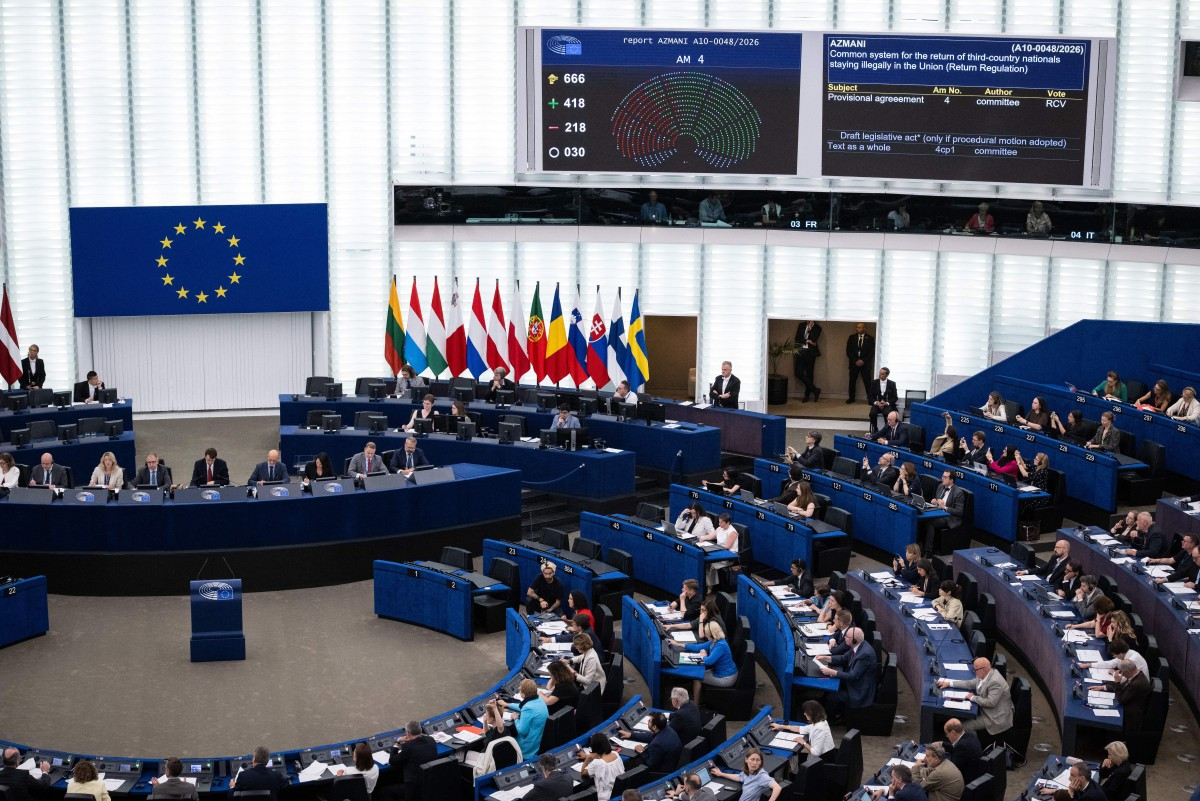 Members of the European Parliament vote on the proposal for a “Common system for the return of third-country nationals staying illegally in the Union” at the European Parliament in Strasbourg, eastern France, on June 17, 2026. (AFP/Sebastien Bozon)
F
or more than two decades, the European Union has been known not for its military strength or dominance in digital technology, but for its remarkable ability to shape global rules. From data privacy and environmental standards to the governance of artificial intelligence, regulations originating in Brussels have gradually become global benchmarks. This phenomenon, famously described by Anu Bradford as the Brussels Effect, demonstrates that in the 21st century, global influence can be built not through aircraft carriers or military bases, but through the power of markets and regulation.
Today, however, this model faces its greatest test. Europe’s industrial competitiveness weakens, productivity continues to lag behind that of the United States, energy costs remain high and the world enters an era of intensifying geopolitical rivalry. Can the EU continue to lead the world through regulation if the economic foundations that sustain such leadership are steadily eroding?
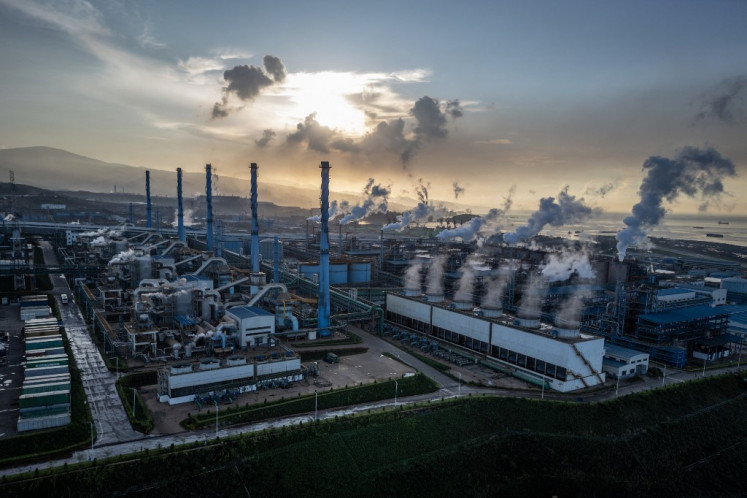
Many European politicians point to China as the principal cause of the continent’s industrial decline. Chinese electric vehicles, solar panels, batteries, and steel are often accused of flooding global markets with the help of generous state subsidies, creating what many in Europe regard as unfair competition.
But is China really the root of the problem?
The Economist’s recent article "Europe’s Latest Excuse", invites readers to consider a different perspective. China is undoubtedly part of the challenge confronting European industry. Yet attributing Europe’s declining competitiveness primarily to the country risks obscuring the structural weaknesses that have been developing within the EU itself.
This argument echoes Mario Draghi’s landmark report, The Future of European Competitiveness (2024), which concludes that Europe’s greatest challenges are largely internal rather than external. Slowing productivity growth, insufficient investment, persistently high energy costs and the inability to translate innovation into globally competitive industries constitute the real obstacles. Draghi warns that without substantially greater investment, stronger innovation and deeper market integration, Europe’s productivity gap with the US will continue to widen.

China may have intensified the pressure on European industry, but it is not the sole cause of Europe’s declining competitiveness. Rather, China’s rise serves as a stress test, exposing structural vulnerabilities that have long existed within the European economy.