The Jakarta Post
Please Update your browser
Your browser is out of date, and may not be compatible with our website. A list of the most popular web browsers can be found below.
Just click on the icons to get to the download page.


Popular Reads
Top Results
No results found. Please check your search term and try again
Can't find what you're looking for?
View all search results
Popular Reads
Top Results
No results found. Please check your search term and try again
Can't find what you're looking for?
View all search resultsRethinking how Indonesia funds its universities
Improving lecturers' welfare requires more than raising salaries. It requires rethinking how higher education itself is financed.
Change text size
Gift Premium Articles
to Anyone
Share the best of The Jakarta Post with friends, family, or colleagues. As a subscriber, you can gift 3 to 5 articles each month that anyone can read—no subscription needed!
 Set as preferred source
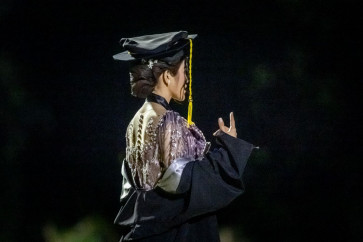
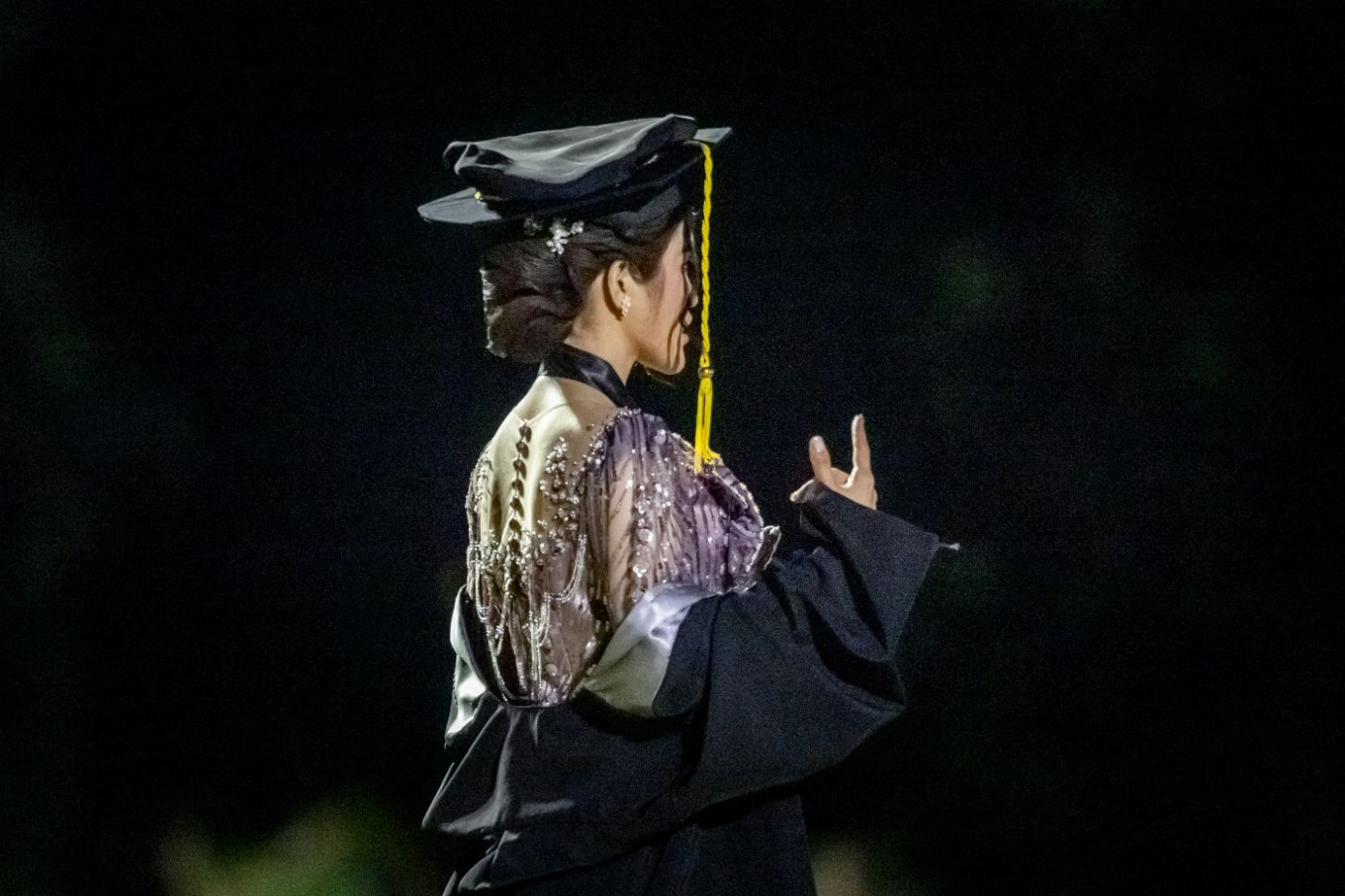 A student of a private university poses in a graduation cap and gown a cap on Oct. 6, 2025, during a professional photo shoot at Banteng Square Park in Central Jakarta.
(AFP/Yasuyoshi Chiba)
A student of a private university poses in a graduation cap and gown a cap on Oct. 6, 2025, during a professional photo shoot at Banteng Square Park in Central Jakarta.
(AFP/Yasuyoshi Chiba)
A
recent Constitutional Court hearing on lecturers' welfare brought academic salaries into the national spotlight. A witness holding a doctoral degree testified that her income does not reflect the years of education, research and professional commitment required to become an academic. Her testimony quickly reinforced a familiar conclusion: Indonesian lecturers are underpaid.
While that concern is understandable, focusing on salaries alone risks overlooking a deeper structural problem.
Indonesia still finances higher education largely as if universities primarily produce private educational benefits, even as the country's development increasingly depends on them as producers of public knowledge. Improving lecturers' welfare, therefore, requires more than raising salaries. It requires rethinking how higher education itself is financed.
For much of the 20th century, higher education was understood mainly through the lens of human capital. Following Gary Becker, university education was viewed as an investment that increases graduates' productivity and lifetime earnings. Since most of the benefits accrue directly to individuals, governments shared the costs with students and families while expanding access.
This logic shaped higher education reforms worldwide, including in Indonesia. Since the 1990s, universities have expanded enrollment while gaining greater institutional autonomy and relying increasingly on tuition fees and self-generated income.
Nearly two decades ago, Teguh Yudo Wicaksono and I argued that Indonesia's central higher education challenge lay in balancing expanded access with sustainable financing and institutional quality. At the time, that diagnosis reflected the country's development priorities under tight fiscal constraints.

Today, however, Indonesia's ambitions have evolved more rapidly than its higher education financing model. The country increasingly seeks to move beyond resource-based growth towards higher-value manufacturing, downstream industrialization, digital transformation, artificial intelligence and innovation-led competitiveness.