The Jakarta Post
Please Update your browser
Your browser is out of date, and may not be compatible with our website. A list of the most popular web browsers can be found below.
Just click on the icons to get to the download page.


Popular Reads
Top Results
No results found. Please check your search term and try again
Can't find what you're looking for?
View all search results
Popular Reads
Top Results
No results found. Please check your search term and try again
Can't find what you're looking for?
View all search resultsTime for Indonesia to end constructive refoulement practice
As global anti-immigrant sentiment rises, Indonesia’s strict ban on refugee employment is creating a crisis of "constructive refoulement", robbing displaced people of their dignity and forcing an urgent need for legal reform.
Change text size
Gift Premium Articles
to Anyone
Share the best of The Jakarta Post with friends, family, or colleagues. As a subscriber, you can gift 3 to 5 articles each month that anyone can read—no subscription needed!
 Set as preferred source
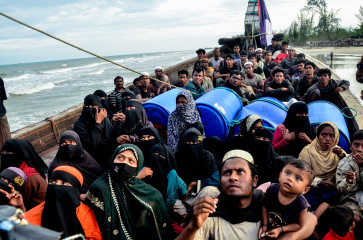
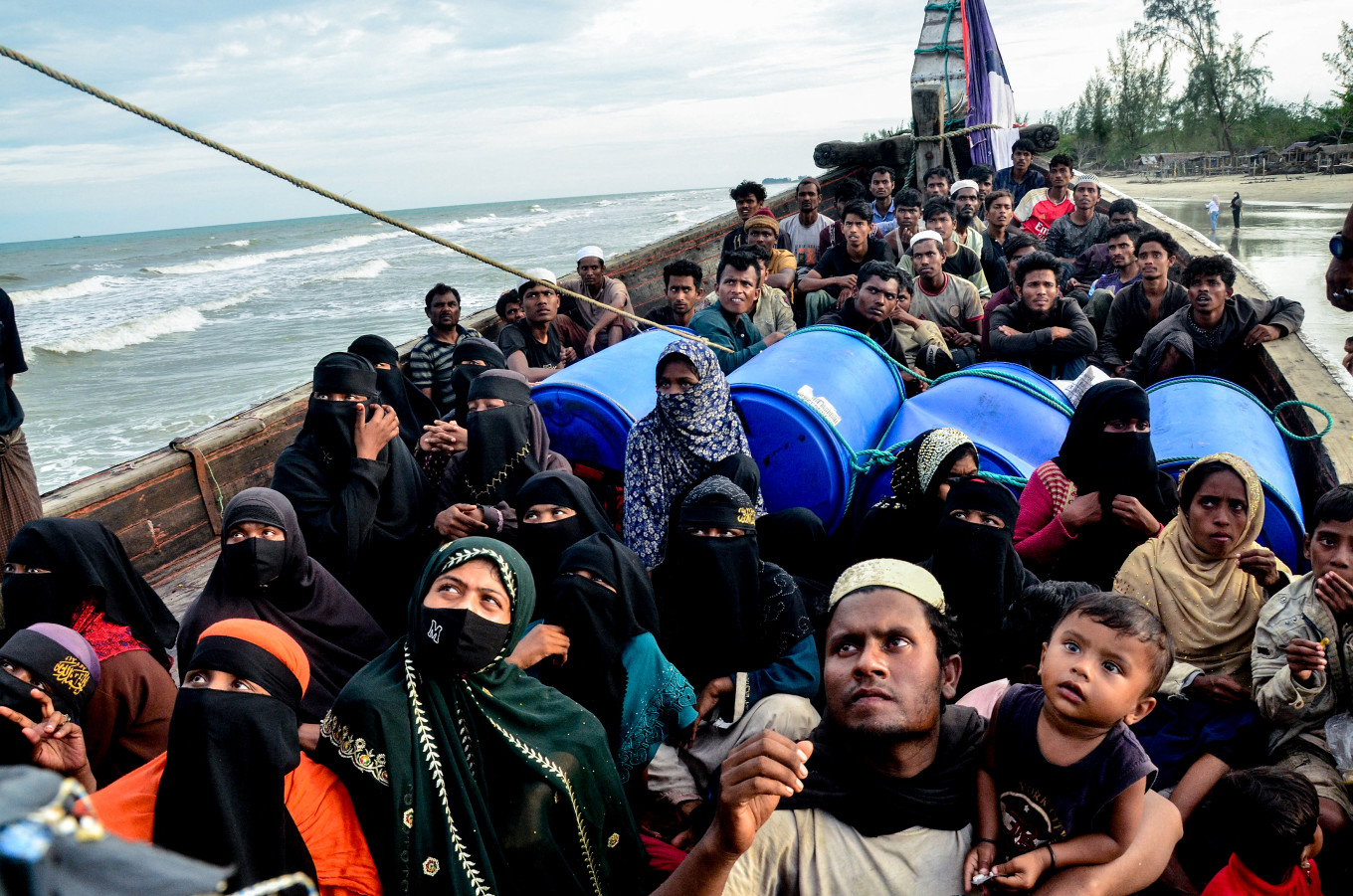 Struggle to survive: Newly-arrived Rohingya refugees look on from their boat on Jan. 29, 2025, after authorities prevented the refugees from disembarking and ordered them to remain on board the vessel, at Leuge Beach in Aceh. (AFP/Cek Mad)
E
very year on June 20, the world marks World Refugee Day to honor the resilience and bravery of individuals compelled to abandon their homelands due to violence or persecution. It is a moment intended to embody solidarity and a collective goodwill to recognize the rights, needs and aspirations of those forced to flee.
In the week leading up to the date, refugee communities and their partners hold commemorations centered on the notion of "getting to know the community". These take the form of art exhibitions, film screenings, collaborative workshops, panel discussions and sports competitions. These vibrant activities showcase that refugee communities, despite facing profound hardship and undergoing harrowing life transitions, remain people brimming with potential, hope and resilience.
However, in several locations, refugee communities have increasingly preferred to hold demonstrations, pleading with policymakers to glance at their plight. This raises a difficult question: what happens after the events conclude? Year after year, these activities attract sympathetic crowds, yet what has actually changed, especially in Indonesia?
Globally, the attitude toward refugees is worsening. The rise of right-wing leaders advocating ultranationalism, coupled with enduring conflicts and a global economic downturn, is escalating anti-immigrant sentiment worldwide.
Indonesia is experiencing this exact shift. Amid election campaigns, the national discourse grew increasingly hostile regarding the arrival of maritime Rohingya refugees in Aceh. Hate speech and misinformation intertwined, portraying refugees as an unsustainable burden to the host country. Statements from prominent politicians added to an increasingly unsympathetic climate.
This negative public response stems from the fundamental ambiguity of the Indonesian government's stance toward one of the most enduring human rights crises in Southeast Asia. While the government frequently praises its own humanitarian stance under Presidential Regulation No. 125/2016, in practice, international organizations, local civil societies, and ordinary citizens share the actual burden of protection.

The government budget allocates no direct funding for refugees. Furthermore, even after the initial emergency phase passes, refugees continue to rely entirely on parallel protection mechanisms because they are legally barred from seeking formal employment. This enforced economic dependence perpetuates the public narrative of refugees being a "burden". More importantly, it robs them of their dignity as empowered humans capable of supporting their families.