The Jakarta Post
Please Update your browser
Your browser is out of date, and may not be compatible with our website. A list of the most popular web browsers can be found below.
Just click on the icons to get to the download page.


Popular Reads
Top Results
No results found. Please check your search term and try again
Can't find what you're looking for?
View all search results
Popular Reads
Top Results
No results found. Please check your search term and try again
Can't find what you're looking for?
View all search resultsGain some, lose more
The idea of centralizing export control for certain natural resources in a single institution is not new, and the failed experiment of such an agency for cloves serves as a case study on why not to pursue that course again, especially for major commodities like coal, CPO and ferroalloys.
Change text size
Gift Premium Articles
to Anyone
Share the best of The Jakarta Post with friends, family, or colleagues. As a subscriber, you can gift 3 to 5 articles each month that anyone can read—no subscription needed!
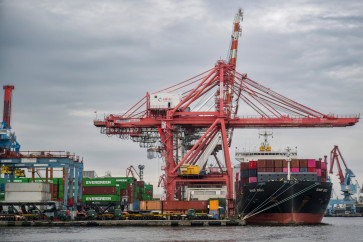
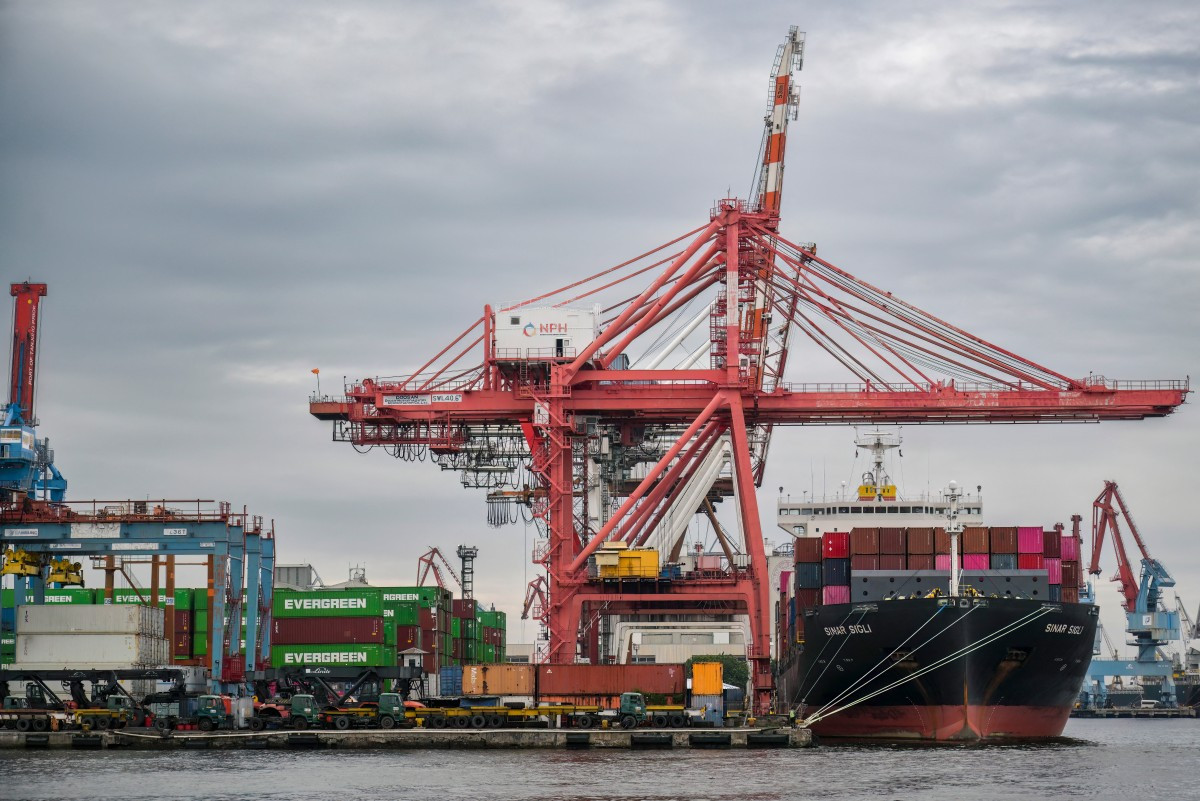 A container ship docks alongside a row of gantry cranes on Feb. 4, 2026, at Tanjung Priok Port in North Jakarta. (AFP/Bay Ismoyo)
P
resident Prabowo Subianto’s bold strategy to recover billions in lost revenue from under-invoicing by placing natural resources export activities under a single state-controlled gatekeeper, Danantara Sumberdaya Indonesia (DSI), may do more harm than good. While the policy could boost state revenue, it also reflects the government’s growing preference for centralized economic intervention. At a time when Indonesia needs private capital to drive growth, the move risks deepening concerns that the country is becoming less predictable and less friendly to investors.
The policy met with a backlash from local exporters immediately after it was announced on May 20.
Industry players fear the centralized export scheme will squeeze profit margins, weaken long-standing relationships with overseas buyers and create fresh uncertainty over how companies restructure their businesses.
The rushed timeline has only amplified those concerns: President Prabowo has announced the transition period will begin in June toward full enforcement in September, which leaves exporters with little time to adapt.
More troublingly, major business associations say they were not consulted before the policy was unveiled.
The anxiety extends beyond coal, crude palm oil (CPO) and ferroalloys, the first commodities targeted under the scheme. Businesses in other resource sectors are now wondering whether they could eventually be pulled into the same centralized system.

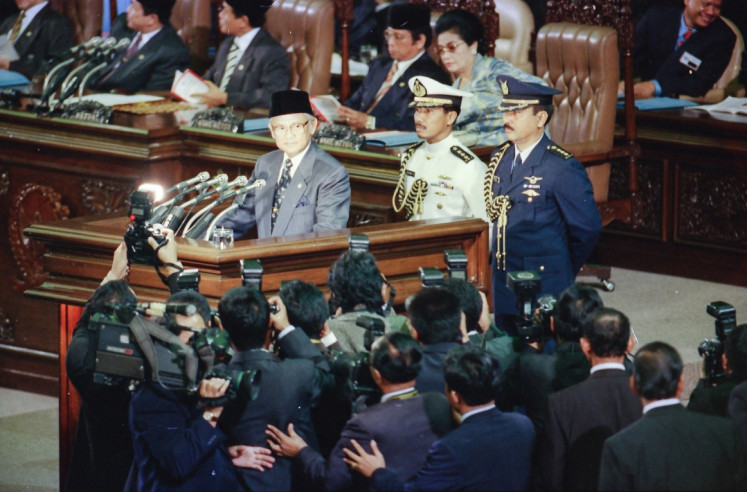
For many people, the idea of a centralized export agency evokes uncomfortable memories of the Clove Marketing and Buffer Agency (BPPC), the controversial body established during the New Order era and chaired by Hutomo “Tommy” Mandala Putra, the youngest son of then-president Soeharto. Promoted as a mechanism to stabilize prices and protect farmers, the agency was handed sweeping control over the purchase, distribution and export of cloves.