The Jakarta Post
Please Update your browser
Your browser is out of date, and may not be compatible with our website. A list of the most popular web browsers can be found below.
Just click on the icons to get to the download page.


Popular Reads
Top Results
No results found. Please check your search term and try again
Can't find what you're looking for?
View all search results
Popular Reads
Top Results
No results found. Please check your search term and try again
Can't find what you're looking for?
View all search resultsHow ASEAN misreads the prolonged Myanmar crisis
Indonesia must look past the junta’s tactical gestures and recognize that in Myanmar, a history of broken promises is the only reliable guide for future diplomacy.
Change text size
Gift Premium Articles
to Anyone
Share the best of The Jakarta Post with friends, family, or colleagues. As a subscriber, you can gift 3 to 5 articles each month that anyone can read—no subscription needed!
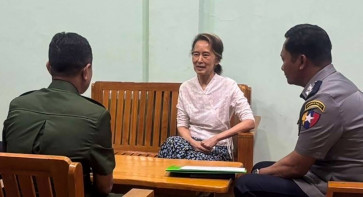
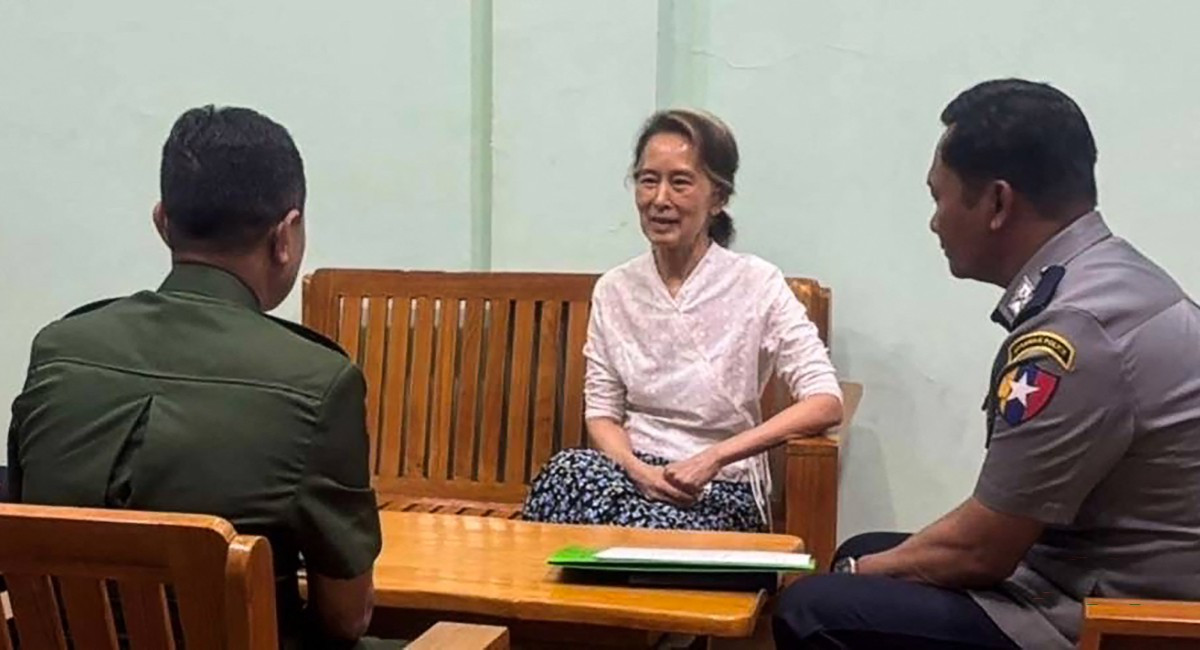 Aung San Suu Kyi (center) talks to Myanmar security forces personnel from the military (left) and the police in an undisclosed location, in this undated handout photo from the Myanmar Military Information Team released on April 30, 2026. (AFP/Myanmar Military Information Team)
A
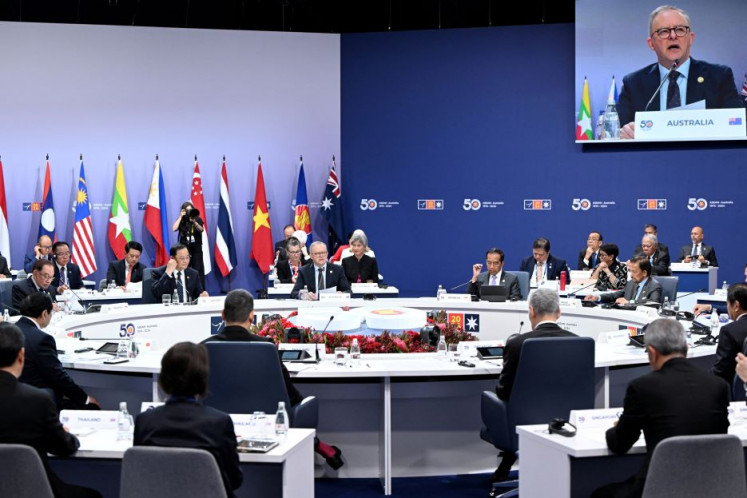
t ASEAN’s Cebu summit in the Philippines earlier this month, among the hot-button foreign policy issues was the ongoing conflict in Myanmar which, beyond the suffering of its own people, has had transnational reverberations for issues including refugee flows and the scam industry’s spread.
Comments by attendees ranged from the Myanmar regime's foreign ministry complaining about "discriminatory measures" that had shunned military junta leader Min Aung Hlaing since the 2021 coup to Philippine President Ferdinand Marcos Jr noting, aptly so, that there had been "no progress” in resolving the crisis.
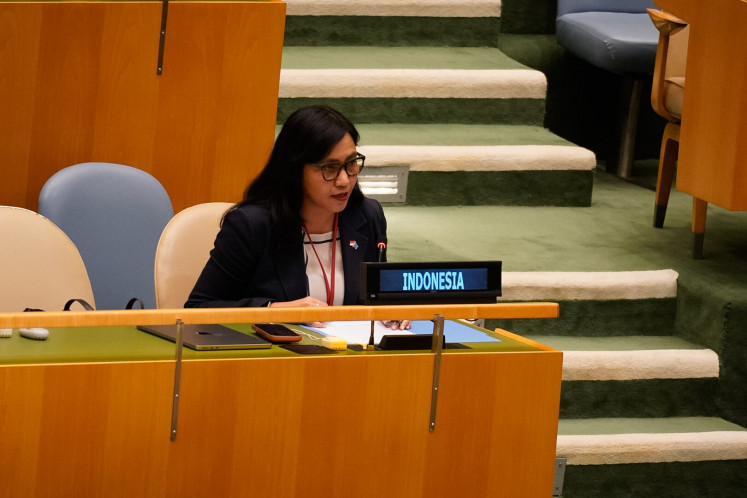
Indonesian Foreign Minister Sugiono issued a press release after the summit. In it, some of his statements toed the ASEAN line, centered around the bloc's Five-Point Consensus, reached in April 2021, which lists conditions aiming to, among other things, bring about an end to the violence.
At other times, he may have unfortunately shed light on how ASEAN is misreading what’s happening on the ground. For example, Sugiono called the transfer of state counselor Aung San Suu Kyi from a prison to house arrest a "positive gesture” and described recent developments, presumedly the junta’s 2025-2026 election, as “progress worthy of appreciation”.
The junta's elections, widely derided as a sham, and the high-profile move of Suu Kyi and president U Win Myint to house arrest had little to do with offering serious concessions to the resistance movement. These moves only masked how little the regime has actually changed (“Myanmar leaders’ ‘house arrest’ masks so little”, The Jakarta Post, May 6, 2026).
Successive crackdowns on peaceful uprisings in 2021 led the Bamar ethnic heartlands in central Myanmar to abandon internal peaceful resistance and take up arms for the first time since independence.

External condemnation and action from abroad have been effective before: International pressure on the military regime was considered critical during the 2010 transition to civilian rule. Since the coup, civil society warnings carried through private and public diplomatic channels on death sentences for political prisoners and humanitarian aid access have also reportedly had real impact.