The Jakarta Post
Please Update your browser
Your browser is out of date, and may not be compatible with our website. A list of the most popular web browsers can be found below.
Just click on the icons to get to the download page.


Popular Reads
Top Results
No results found. Please check your search term and try again
Can't find what you're looking for?
View all search results
Popular Reads
Top Results
No results found. Please check your search term and try again
Can't find what you're looking for?
View all search resultsUS-Israel war against Iran is upending global energy markets
The critical question now is not only whether the Strait of Hormuz will reopen, but how much more damage Iran will inflict on critical energy infrastructure.
Change text size
Gift Premium Articles
to Anyone
Share the best of The Jakarta Post with friends, family, or colleagues. As a subscriber, you can gift 3 to 5 articles each month that anyone can read—no subscription needed!
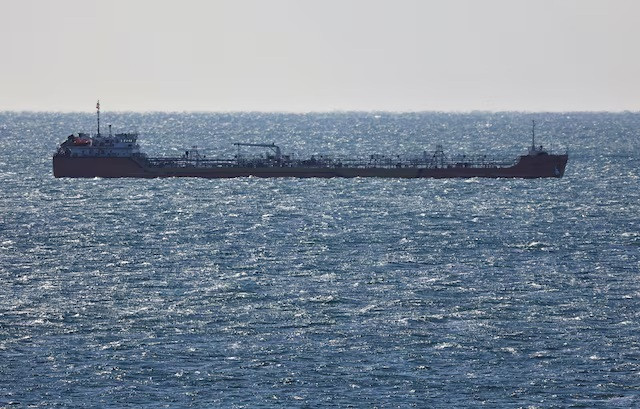
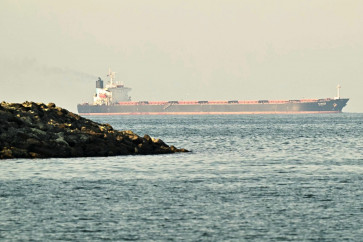
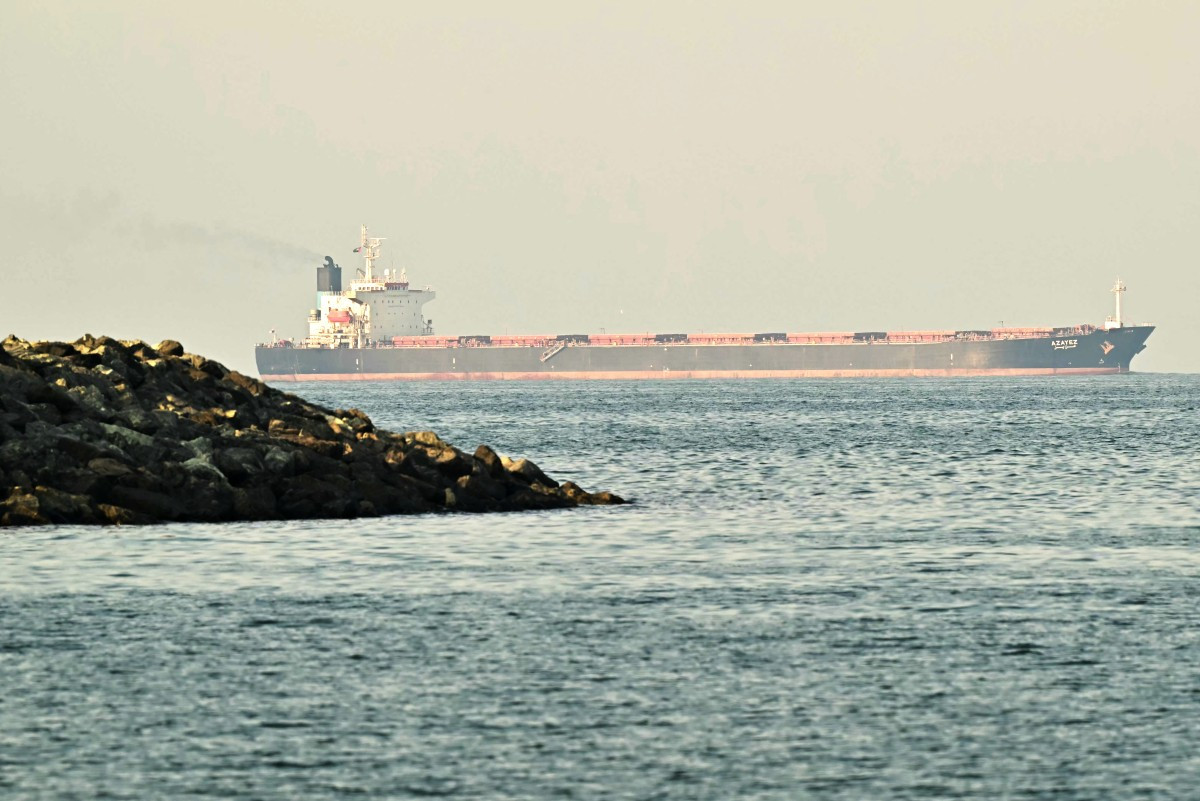 A cargo ship is seen off coast city of Fujairah on Feb. 25 in the Strait of Hormuz in the northern part of the United Arab Emirates. (AFP/Guiseppe Cacace)
T
he war with Iran is widening faster than many expected. The Islamic Republic’s retaliation against Arab Gulf states has extended beyond military targets to critical civilian infrastructure, including airports, water desalination plants and energy facilities. Hezbollah has opened a second front from Lebanon. United States President Donald Trump suggests that operations could last “four to five weeks,” but with nearly 50 senior Iranian officials having been killed, it is unclear who might be positioned to negotiate an off-ramp.
Trump may have wanted a localized confrontation, but he has instead lit a match in the center of the global energy system. The Strait of Hormuz, the most important global maritime transit chokepoint for oil and liquefied natural gas (LNG), is now operating at minimal capacity.
In response, Trump has proposed underwriting war-risk insurance for freight shipping and providing US Navy escorts to reopen the strait. But financial guarantees and military convoys cannot remove the fundamental insecurity of transit while tankers remain vulnerable to missiles, drones and asymmetric attacks. As long as vessels are being targeted, confidence will remain low and flows through the strait constrained, leaving global energy markets exposed to further disruption.
If loading cannot resume soon, storage constraints will force production slowdowns across the Gulf, tightening global supply and putting additional upward pressure on crude prices. Despite the uptake of renewables in recent years, hydrocarbons remain firmly embedded across the global economy. Saudi Arabia, Qatar, the United Arab Emirates, Kuwait, Iraq and Iran anchor supply chains that power everything from Asian industry to European manufacturing and global transport.
Making matters worse, there is no clear end in sight. The killing of Iran’s supreme leader, Ayatollah Ali Khamenei, marks a rupture of historic magnitude, but a leadership decapitation does not constitute regime change. If anything, history suggests that central authority is as likely to be consolidated as it is to break down. Not only are Iran’s governing institutions and the Islamic Revolutionary Guard Corps still intact; they are also armed with sufficient missile stockpiles to sustain the current tempo of attacks for weeks. The regime’s capacity to retaliate has not been exhausted.
Duration is the decisive variable for energy markets. Whereas short conflicts produce volatility, prolonged instability reshapes trade flows, assessments of infrastructure risk and investment behavior. The critical question now is not only whether the Strait of Hormuz will reopen, but how much more damage Iran will inflict on critical energy infrastructure.

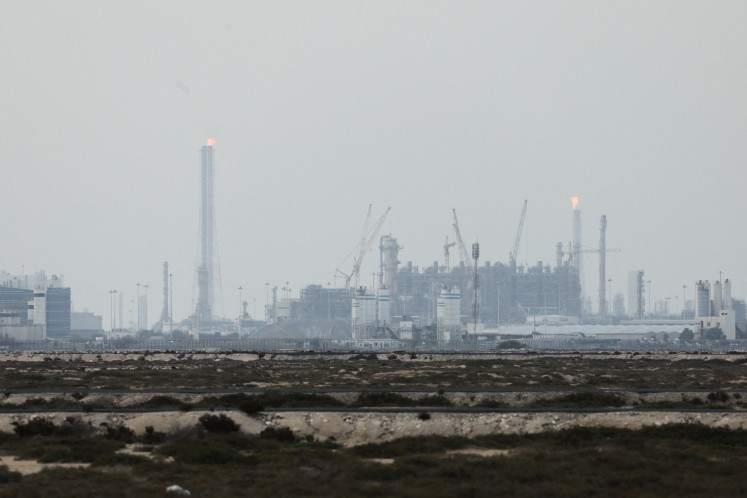
Moreover, supply risks are compounding the transit risks. Iraq has already scaled back its oil production. Qatar has halted LNG output at key facilities following drone strikes. And the Saudis are bracing for further attacks on their infrastructure following strikes on the Ras Tanura complex, the home to the kingdom’s largest refinery, which processes roughly 550,000 barrels per day and functions as a key crude export terminal. With Gulf energy infrastructure now firmly in the “escalation perimeter,” producers are increasingly weighing security against continuity, and their precautionary adjustments are reducing the resilience of the entire system.