The Jakarta Post
Please Update your browser
Your browser is out of date, and may not be compatible with our website. A list of the most popular web browsers can be found below.
Just click on the icons to get to the download page.


Popular Reads
Top Results
No results found. Please check your search term and try again
Can't find what you're looking for?
View all search results
Popular Reads
Top Results
No results found. Please check your search term and try again
Can't find what you're looking for?
View all search resultsAnalysis: Indonesia’s customs crisis demands radical reform
Change text size
Gift Premium Articles
to Anyone
Share the best of The Jakarta Post with friends, family, or colleagues. As a subscriber, you can gift 3 to 5 articles each month that anyone can read—no subscription needed!
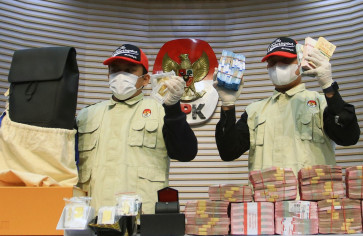
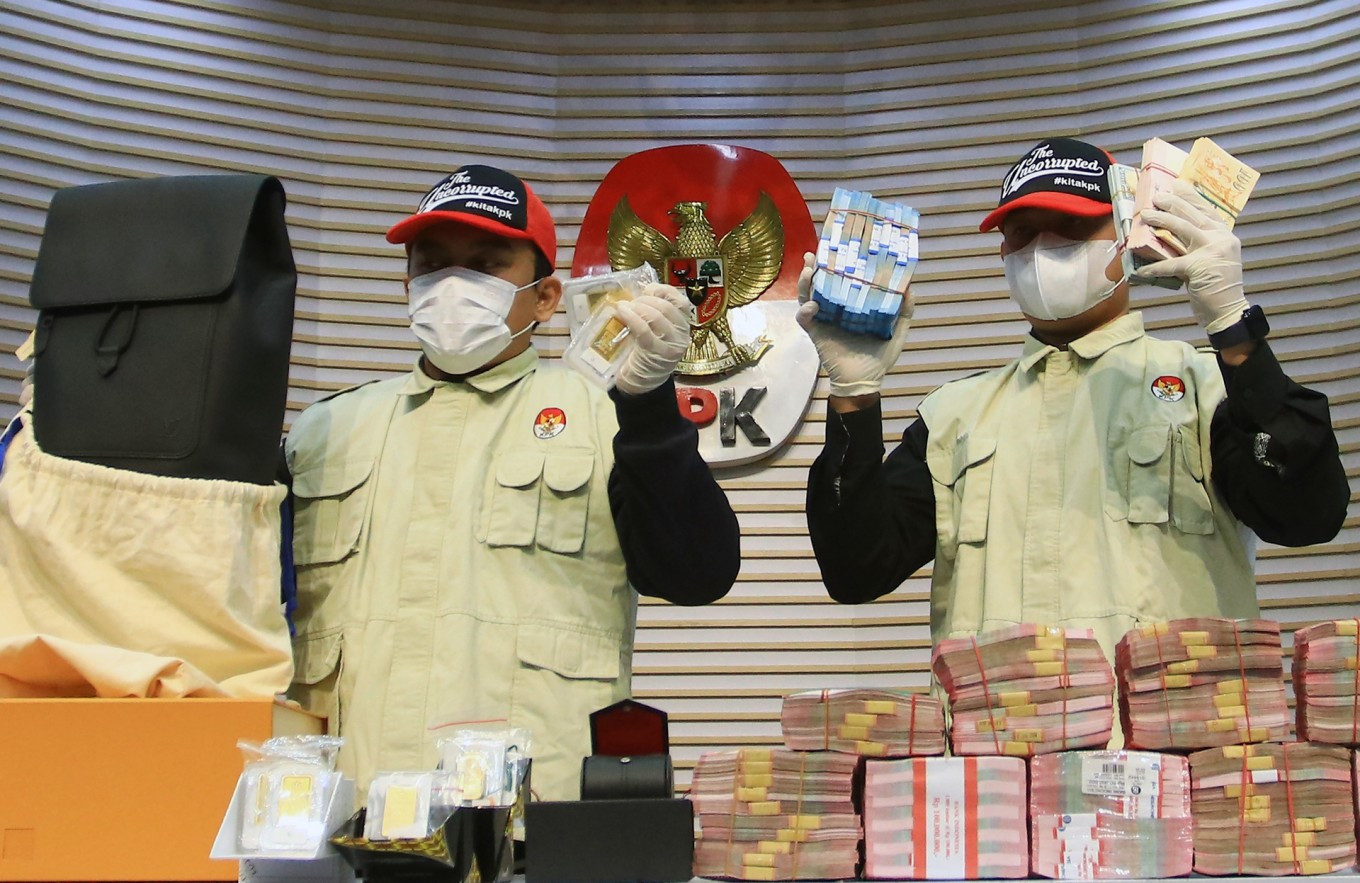 Corruption Eradication Commission (KPK) investigators hold up cash and gold bars on Feb. 5, 2026, seized during the arrest of Finance Ministry's customs and excise directorate general officials at a press briefing at the antigraft body headquarters in Jakarta. (Antara/Muhammad Iqbal)
T
he import bribery case implicating three customs officials has entered a new phase with the discovery of several safe houses in Jakarta, where investigators found a stash of money amounting to billions of rupiah. The emergence of what appears to be a sophisticated bribery network not only further erodes institutional credibility but also raises a deeper question: Can corruption at the Customs Office truly be eradicated?
The Corruption Eradication Commission (KPK) uncovered four apartment units in North Jakarta and a house in Ciputat, South Tangerang, Banten, that were being used as safe houses. Investigators seized gold bars and cash totaling Rp 40.5 billion (US$2.45 million) in multiple currencies including rupiah, United States dollars, Singapore dollars and Japanese from these locations, as well as from the offices of logistics firm Blueray Cargo and suspects’ residences.
During a series of sting operations on Feb. 4 in Jakarta and Lampung, the KPK arrested 17 Customs Office employees. A day later, it named six suspects including three customs officials: Rizal, who served as the enforcement and investigation director from 2024 to January 2026; Sisprian Subiaksono, head of enforcement and investigative intelligence; and Orlando Hamonangan, head of the intelligence section.
The three other suspects were Blueray Cargo executives: owner John Field, import documentation head Andri and operations manager Dedy Kurniawan. John surrendered to the KPK on Feb. 7 after initially attempting to evade arrest during the sting operations.
This graft case extends beyond a conventional bribery scheme, as it involves deliberate manipulation of the customs risk management system. Under normal procedures, imported goods are assigned to either the green channel, for low-risk shipments with minimal inspection, or the red channel, for shipments requiring detailed scrutiny.
However, investigators reportedly found that Orlando had ordered an adjustment to the scanning system’s setting by fixing a 70 percent parameter, which enabled Blueray’s shipments to be routed through the green channel regardless of their customs classification, including prohibited and restricted goods (LARTAS). As a result, various textile products marked as LARTAS, including counterfeit bags, shoes and branded clothing, were allowed entry without proper inspection.

At the same time, Blueray allegedly falsified import documentation to understate shipping volume and thereby reduce duties to around Rp 40 million per container, while it charged clients Rp 200 million in import fees.