Can't find what you're looking for?
View all search resultsCan't find what you're looking for?

View all search resultsAn aerial view shows cinema goers sitting in their cars parked at a drive-in cinema in Marl, western Germany, on April 6, 2020, one of the few entertainments still allowed due to the spread of the novel coronavirus COVID-19. AFP/Ina Fassbender
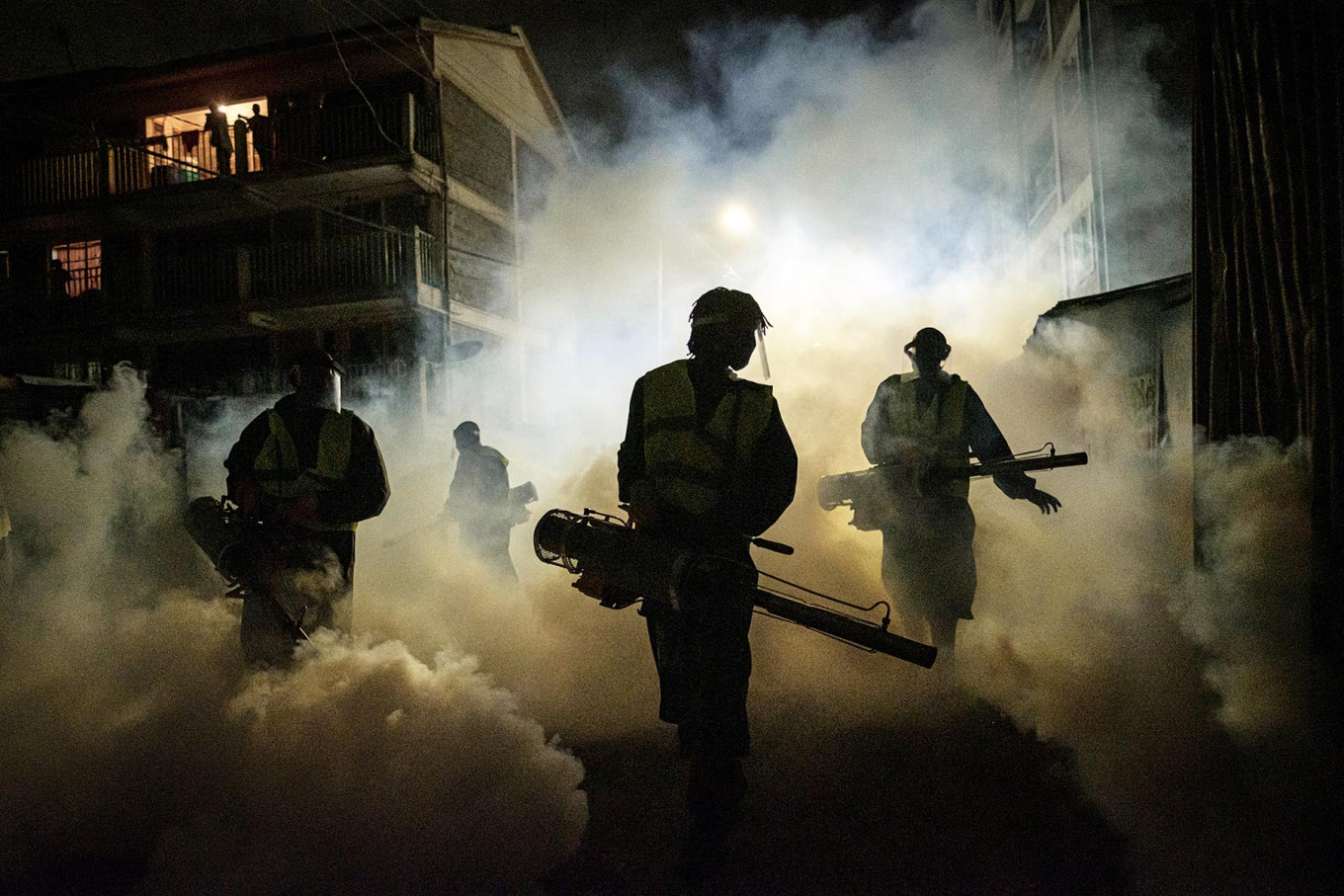
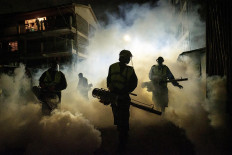
Volunteers from Sonko Rescue Team, an NGO privately funded by Nairobi Governor Mike Sonko, fumigate a street to curb the spread of COVID-19 during a joint operation with Nairobi county during a 7pm-5am curfew at a residential area in Nairobi, Kenya, on April 6, 2020. - Kenyan President Uhuru Kenyatta on April 6 imposed a three-week ban on movement in and out of four main coronavirus "infected areas", including the capital Nairobi, ahead of the usually busy Easter weekend. Kenya...
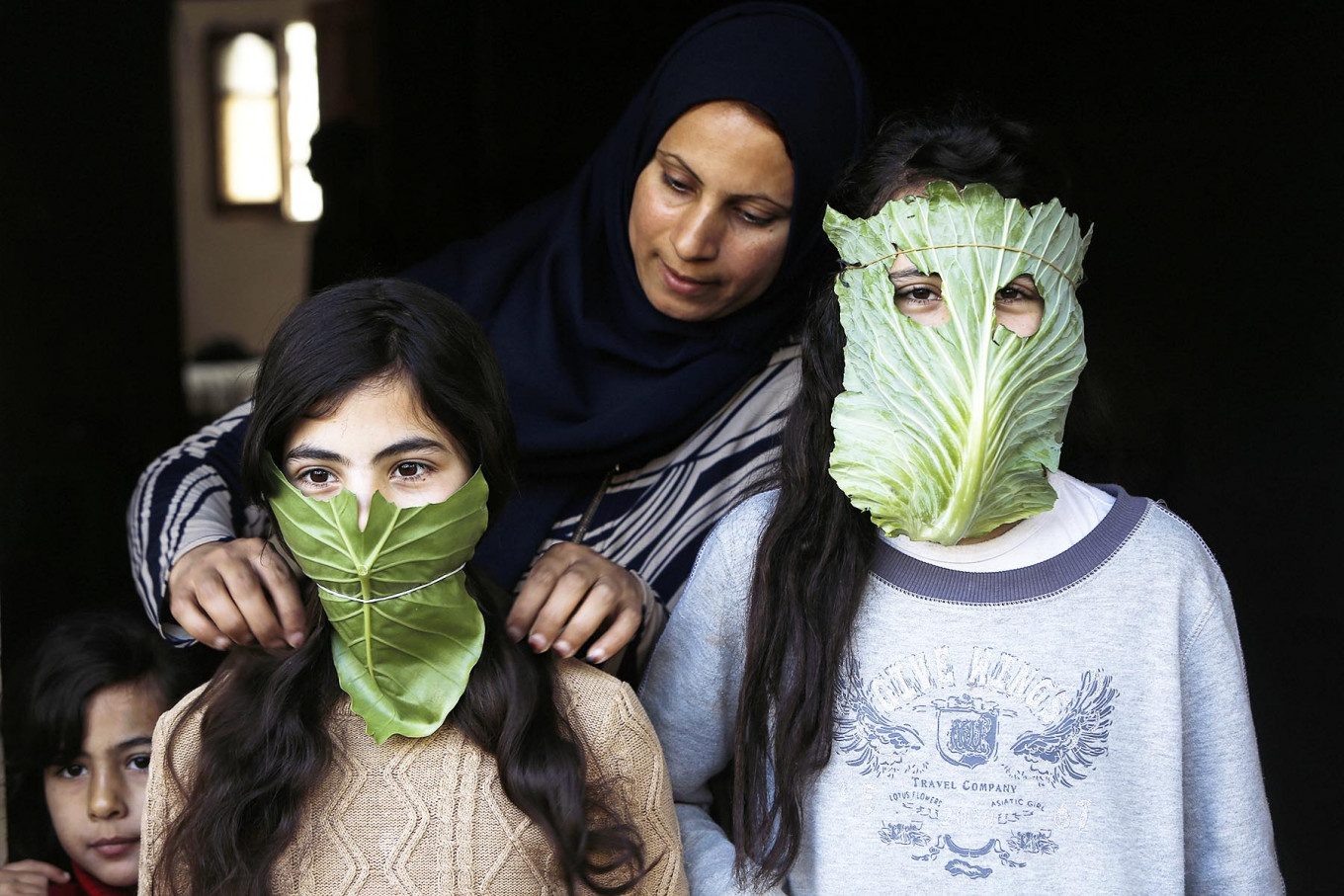
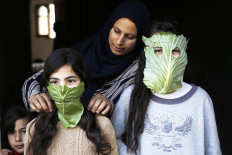
A Palestinian mother entertain her children with makeshift masks made of cabbage as she cooks in Beit Lahia in the northern Gaza Strip on April 16, 2020 amid the coronavirus COVID-19 pandemic. AFP/Mohammed Abed
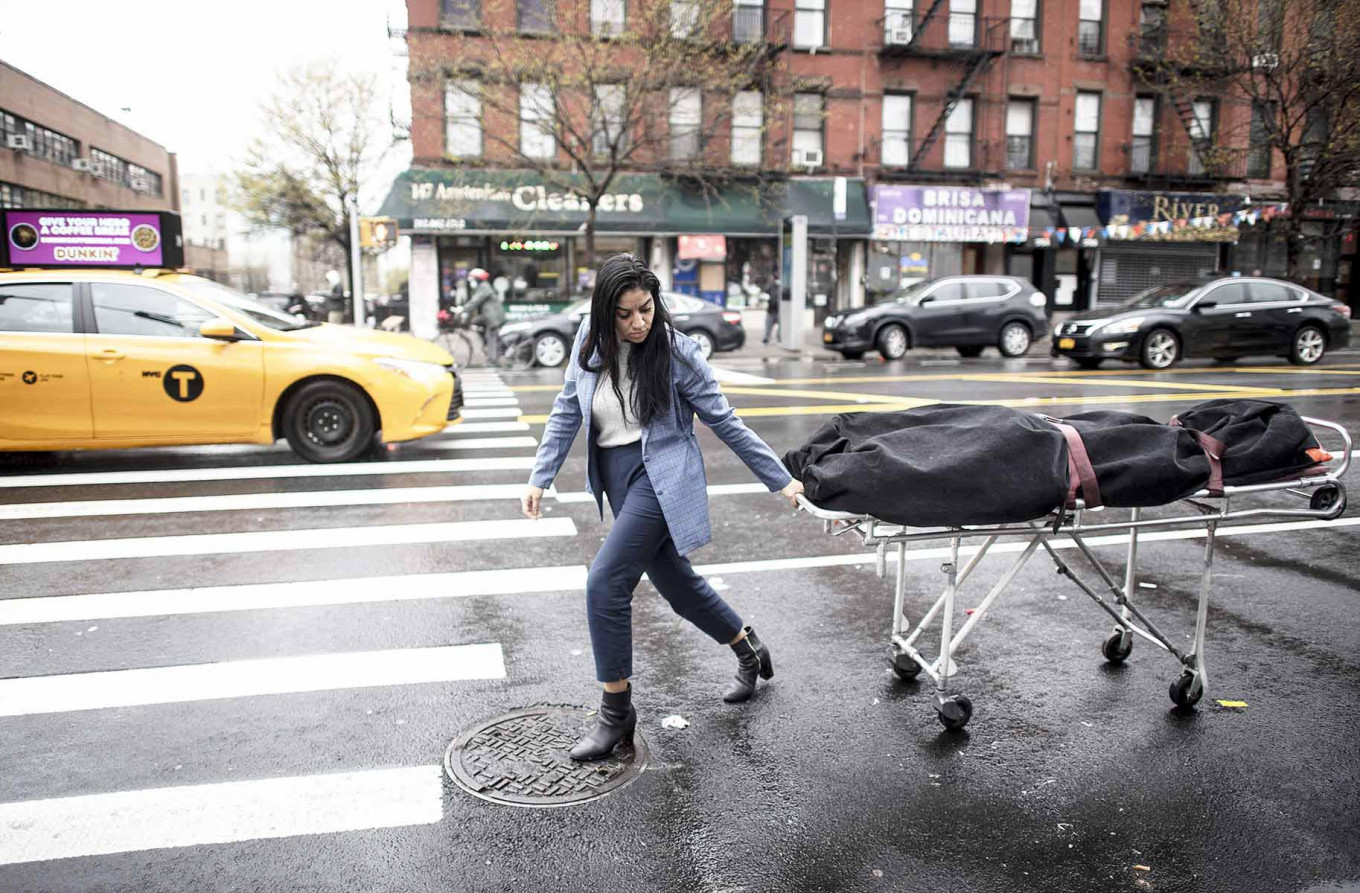
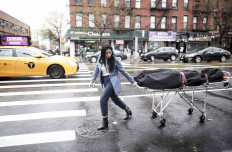
Alisha Narvaez Manager at International Funeral & Cremation Services transports a body to the funeral home on April 24, 2020 in the Harlem neighborhood of New York City. - For many families already in distress, finding a funeral home in New York that will accept the body of a loved one is a headache; in Harlem, International Funeral home tries not to turn anyone away, even if it means being under stress. AFP/Johannes Eisele
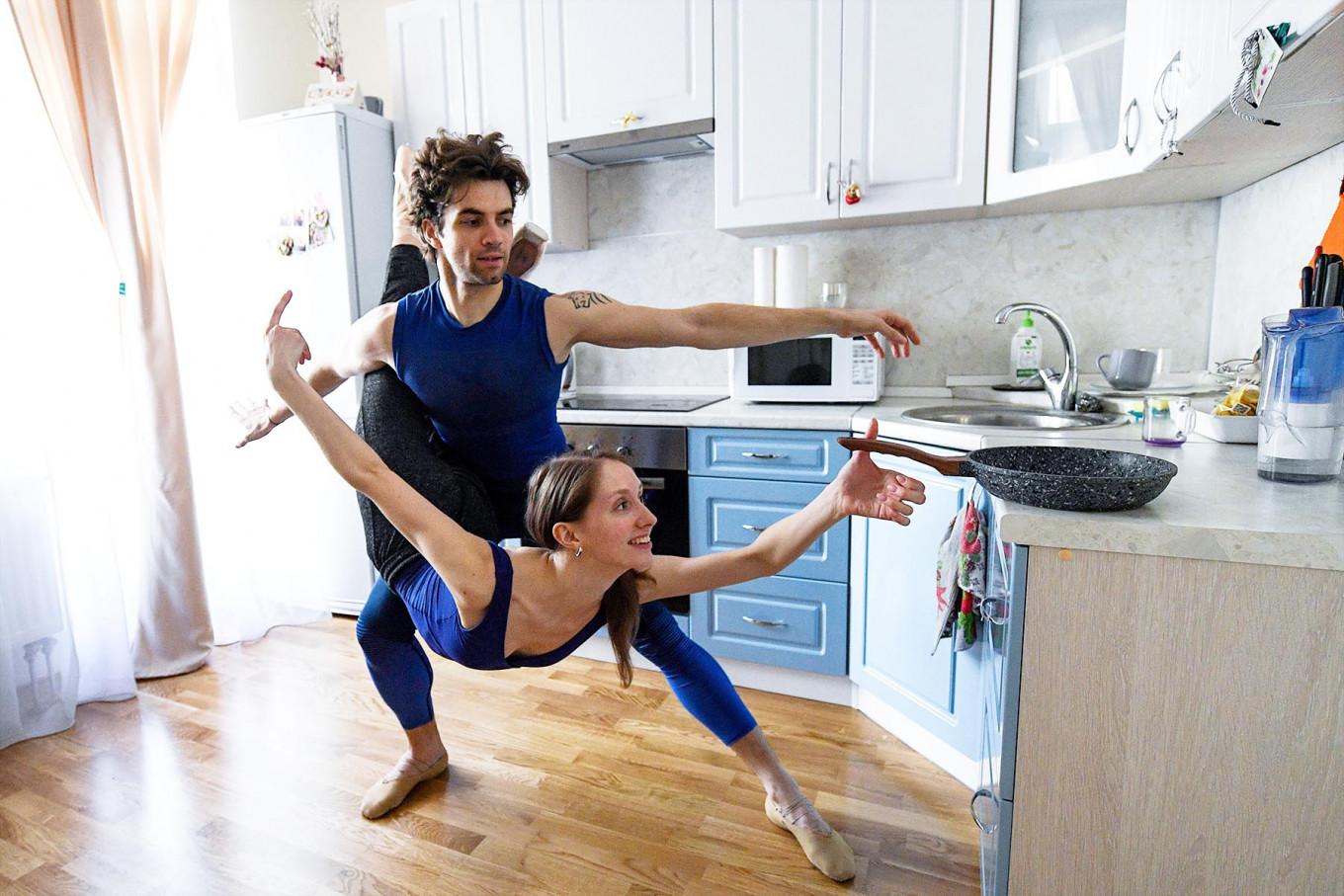
Bolshoi theatre leading soloist Igor Tsvirko and first soloist Margarita Shrainer attend a lesson in the kitchen of their apartment in Moscow on April 29, 2020 during a strict lockdown in Russia to stop the spread of the COVID-19 infection caused by the novel coronavirus. - In the middle of their bedroom, Bolshoi ballet dancers Margarita Shrainer and Igor Tsvirko have placed a linoleum mat and a barre. Since the start of the lockdown, the couple, both soloists in the legendary t...
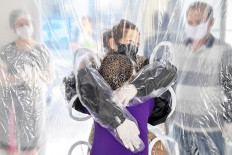
Elisabete Nagata (top) hugs her 76-year-old sister-in-law Luiza Nagata, through a transparent plastic curtain at a senior nursing home in Sao Paulo, Brazil, on June 13, 2020, amid the novel coronavirus (COVID-19) pandemic. AFP/Nelson Almeida
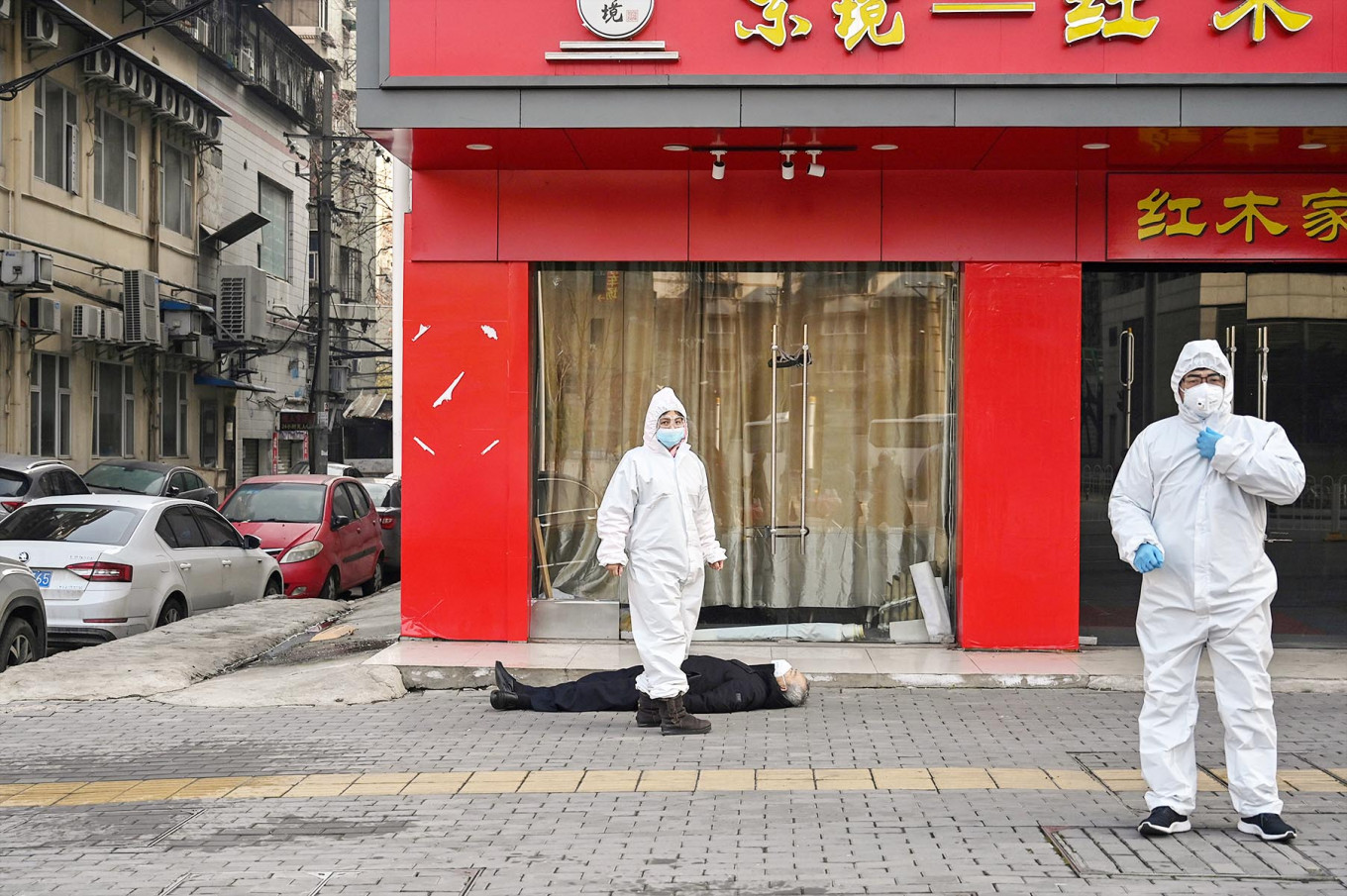
On Jan. 1, 2020, as the world welcomed a new decade, Chinese authorities in Wuhan shut down a seafood market in the central city of 11 million, suspecting that an outbreak of a new "viral pneumonia" affecting 27 people might be linked to the site. Early lab tests in China pointed to a new coronavirus.
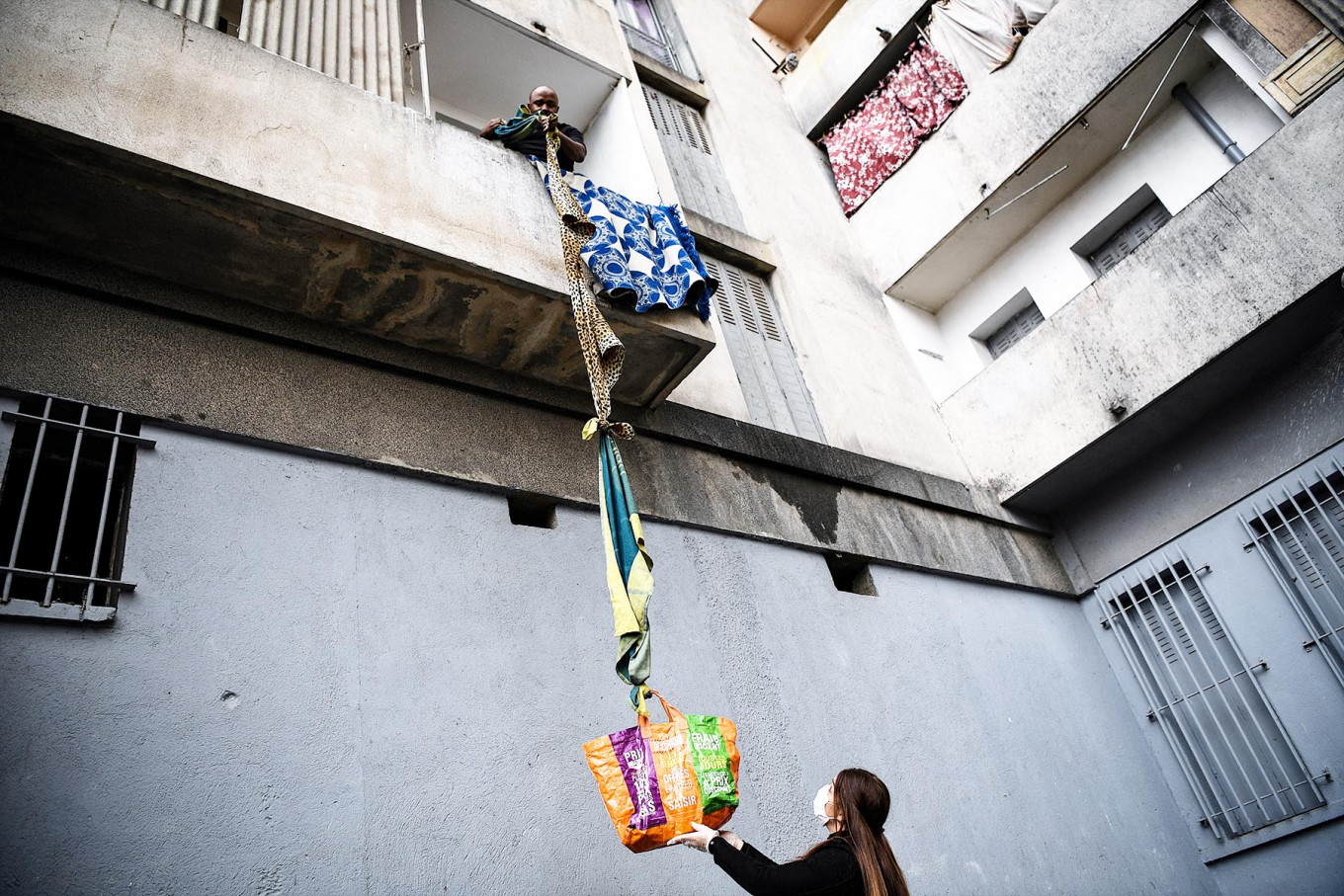
By Jan. 20 it had spread to three countries. For most people, it was a minor health scare unfolding half a world away. Nearly a year later it has changed lives fundamentally. Almost everyone has been affected, be it through illness, losing loved ones or jobs, being confined at home and having to get used to a whole new way of working, relaxing and interacting.
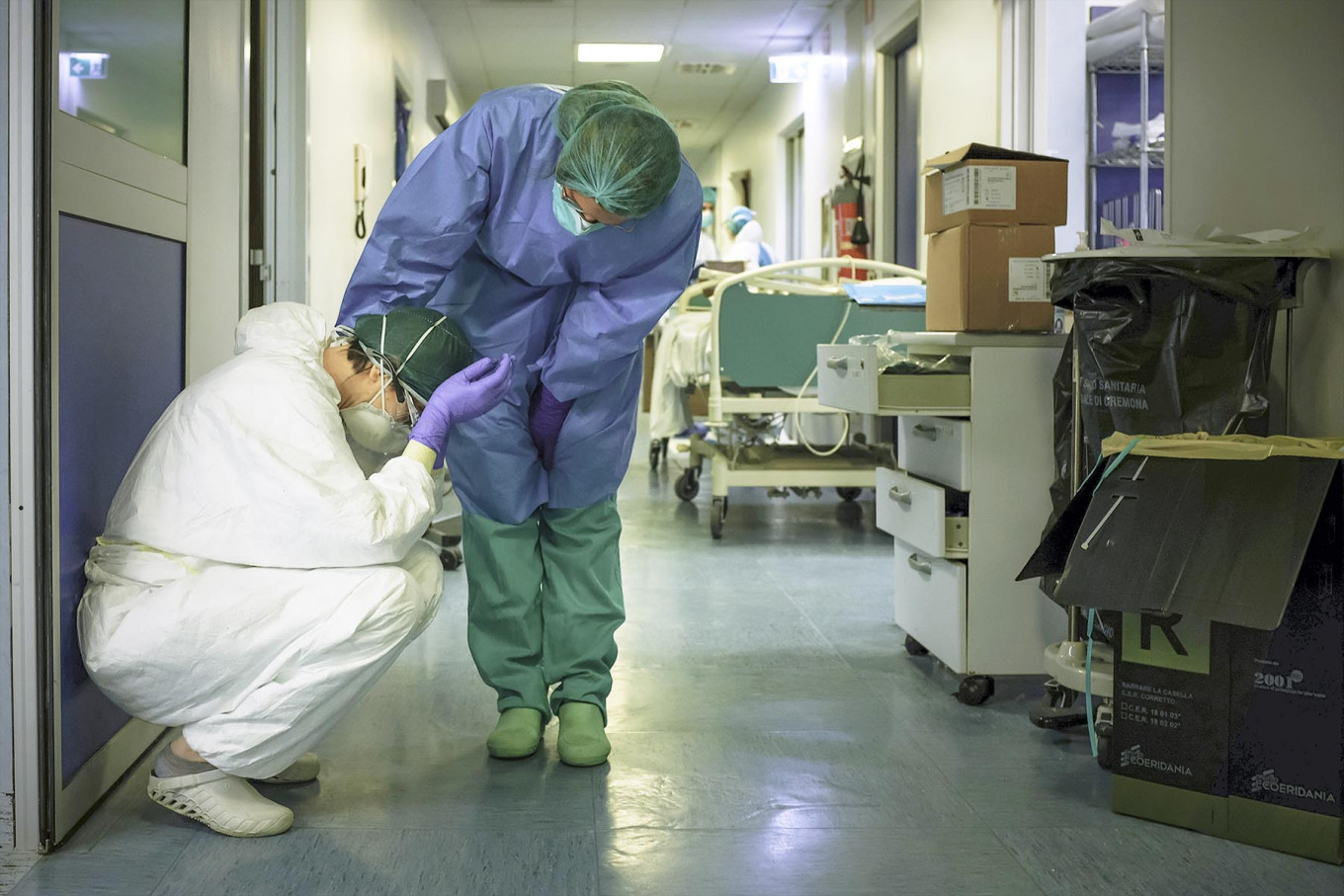
Almost 1.5 million people have died globally from the COVID-19 disease related to the coronavirus, and some 63 million people have been infected. After the initial "wave" of the pandemic was brought under some semblance of control in many countries, nations are now fighting second and third waves even greater than the first, forcing new restrictions on everyday life.
Share your experiences, suggestions, and any issues you've encountered on The Jakarta Post. We're here to listen.
Thank you for sharing your thoughts. We appreciate your feedback.