Can't find what you're looking for?
View all search resultsCan't find what you're looking for?

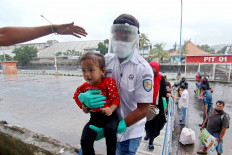
View all search resultsCarriage by sea: A port officer helps a girl board a ferry on Wednesday at Tanjungwangi Port in Banyuwangi, East Java. Antara/Budi Candra Setya
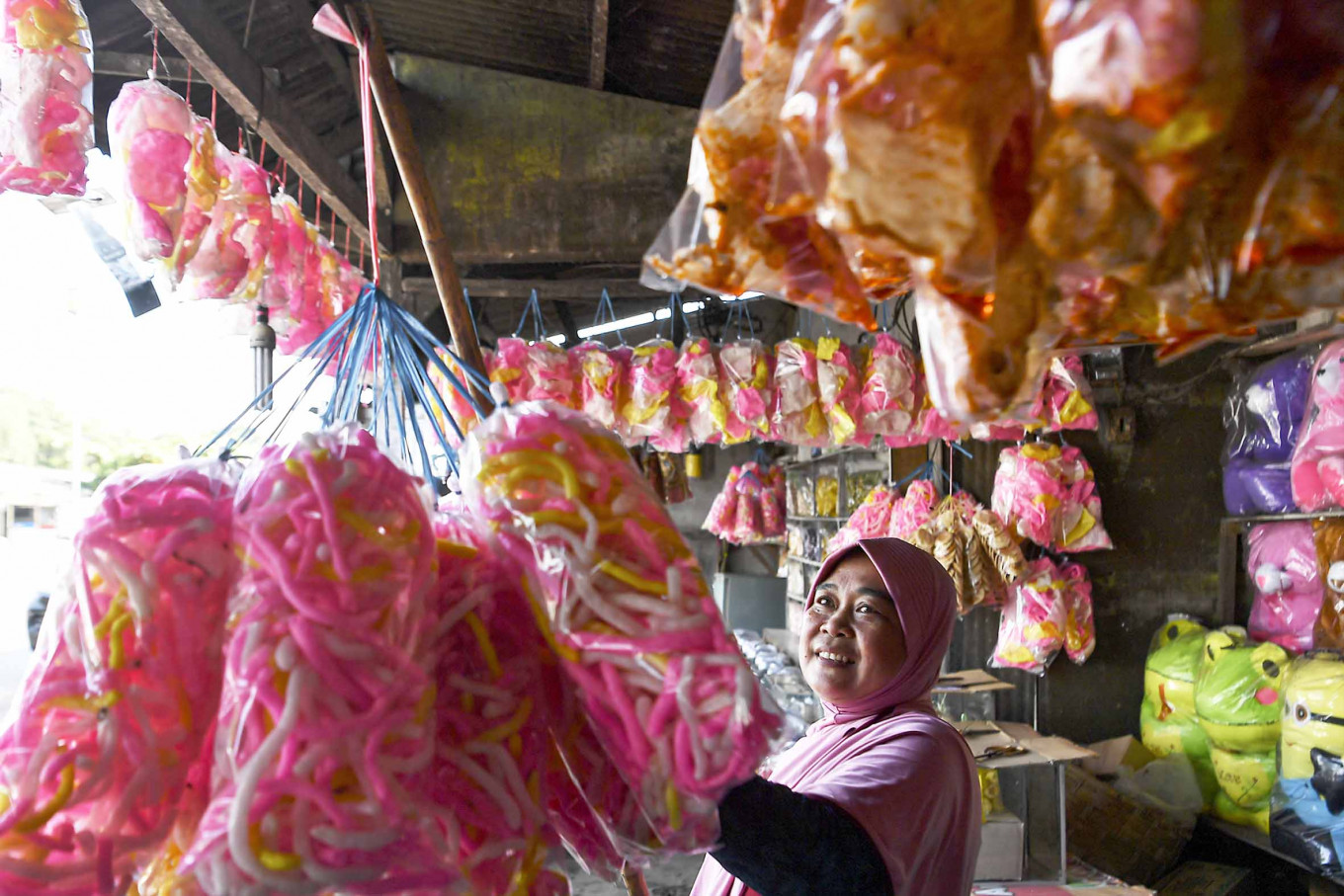
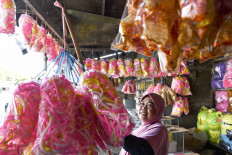
Still colorful: A vendor arranges a display of brightly colored snacks as she waits for customers on Wednesday at her stall on the North Coast Highway (Pantura) in Karawang, West Java. The COVID-19 pandemic has affected the revenue of Pantura snack stalls, which are usually very busy during Idul Fitri. Antara/Nova Wahyudi
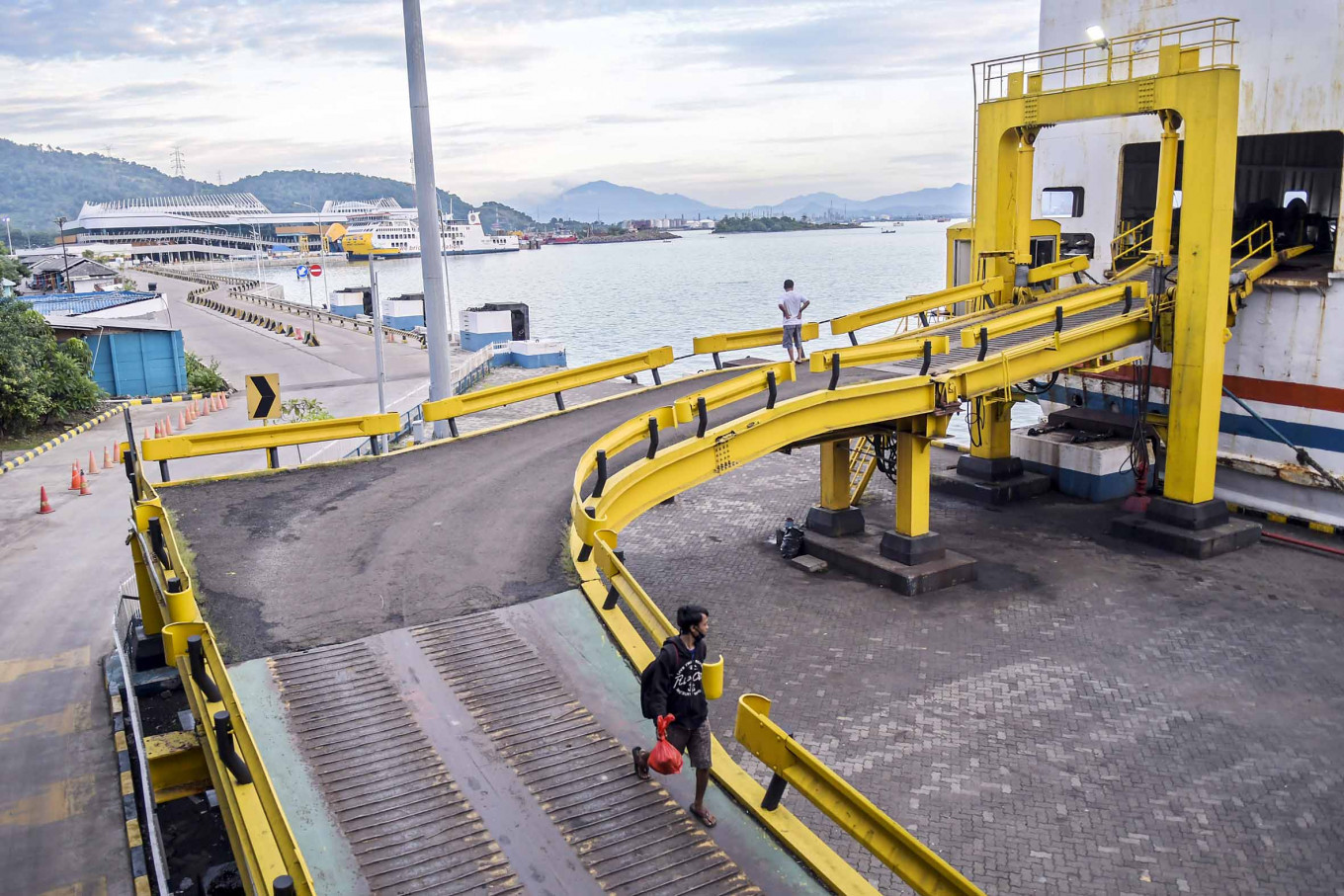
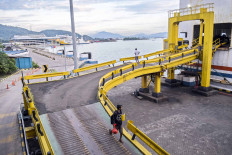
All quiet on the seafront: A lone man disembarks a ferry on Wednesday at Merak Port in Banten. The port has seen a 98.3 percent decline in passengers making the Sumatra-Java crossing for Idul Fitri this year. Antara/Galih Pradipta
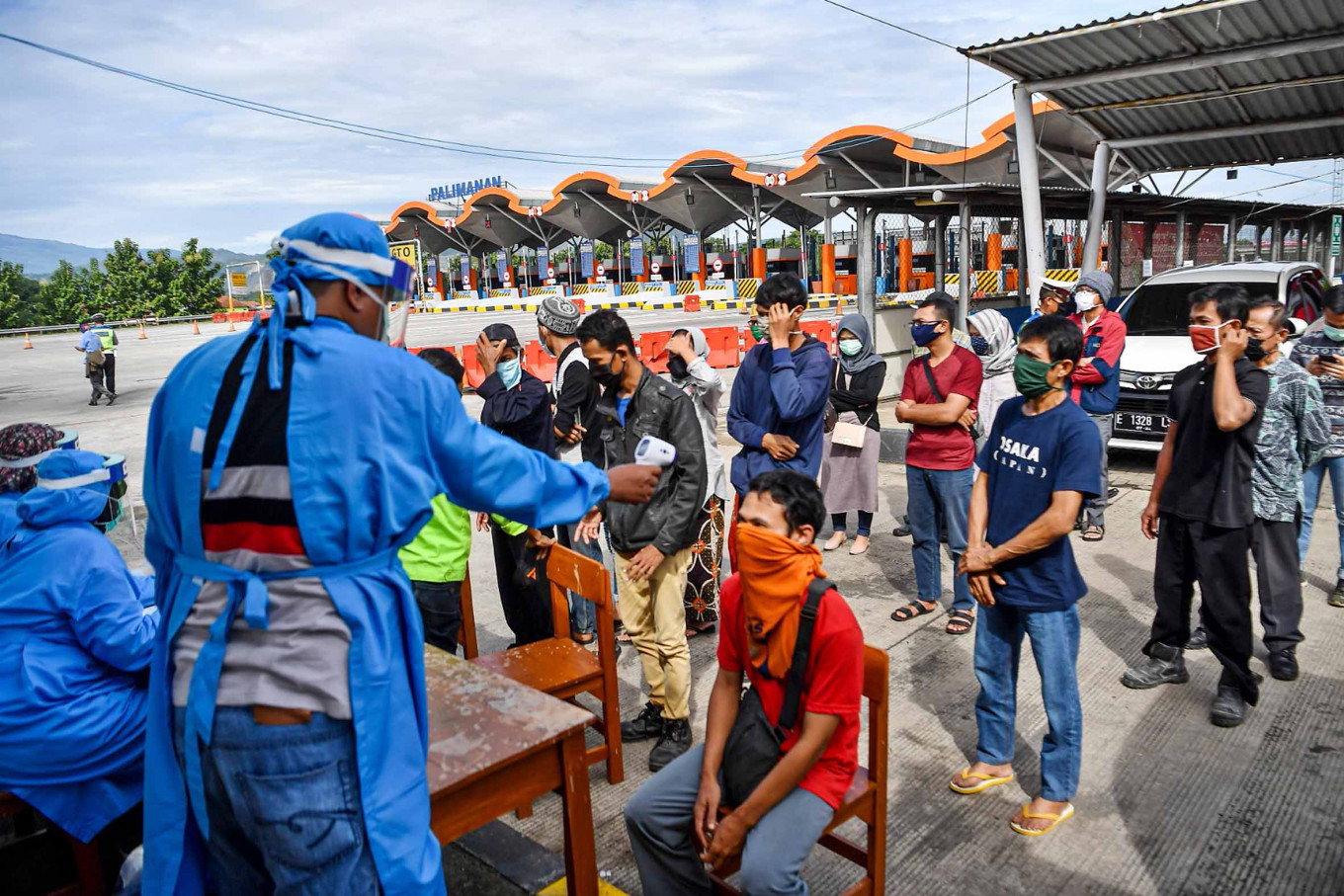
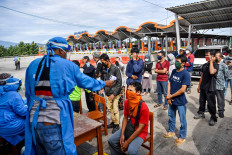
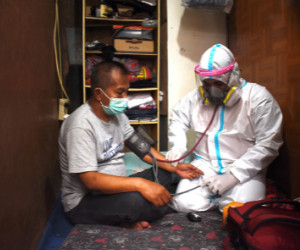
Medical screening: Medics check on the temperature of passengers and drivers who pass the Cipali Palimanan toll gate in Cirebon, West Java on Wednesday. Antara/Nova Wahyudi
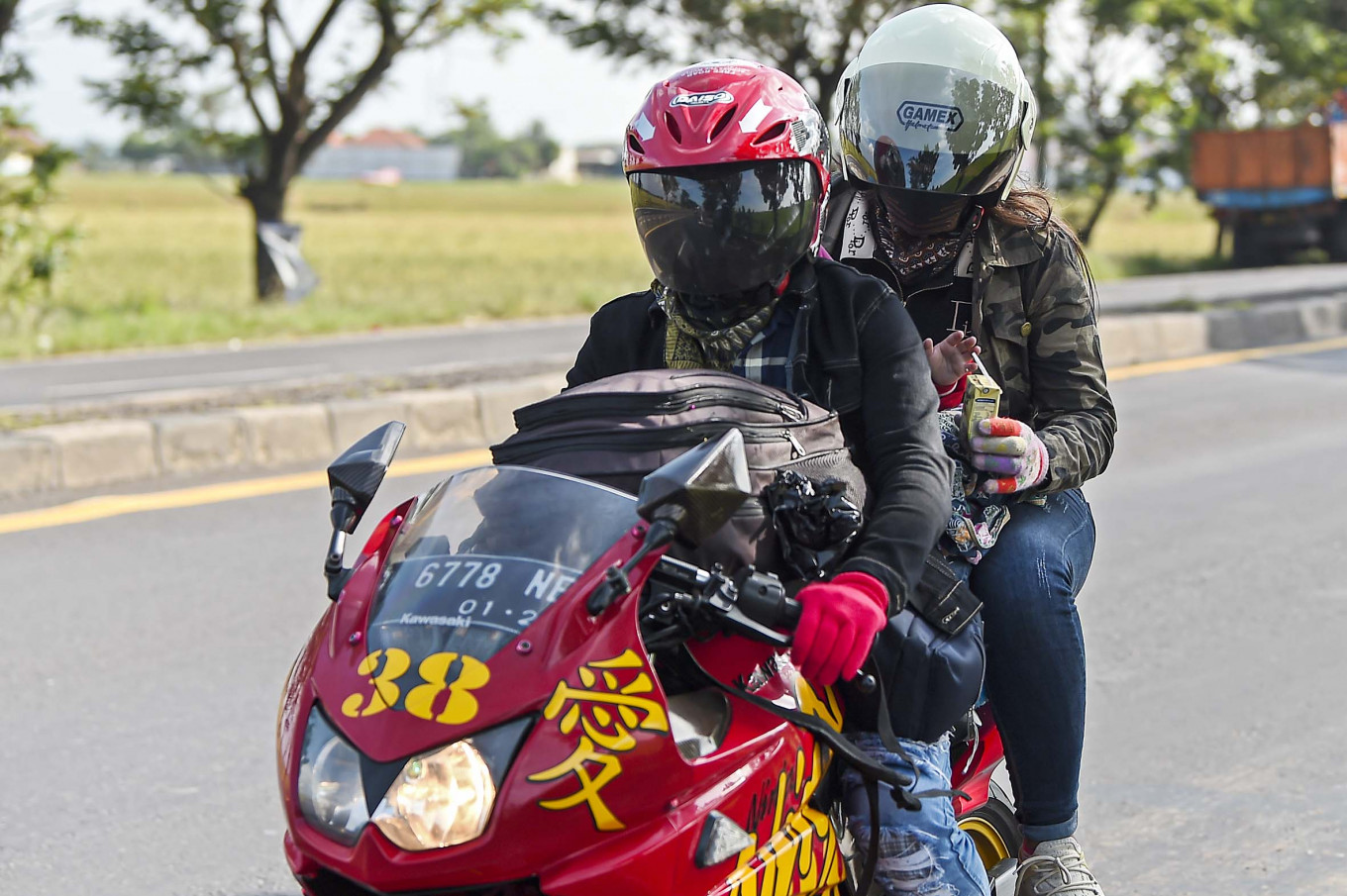
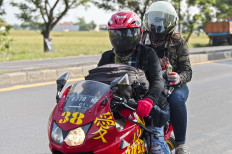
A way back home: Two people ride on a motorcycle to return to their hometown on the Pantura Jatisari route in Karawang, West Java, on Wednesday. Antara/Nova Wahyudi
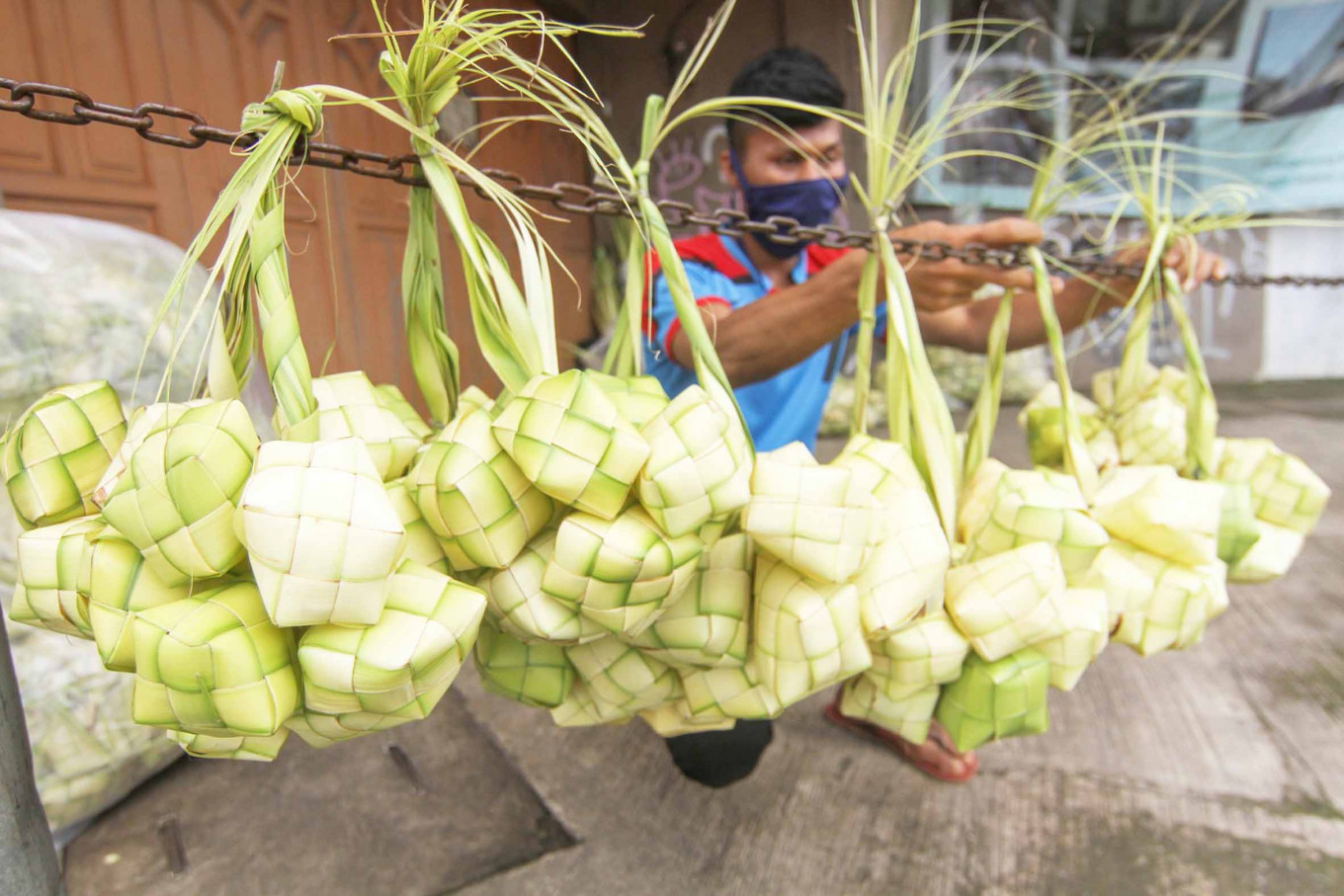
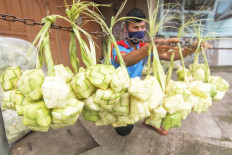
Business as usual: A ketupat package vendor puts his products on display in Depok, West Java, on Thursday. The ketupat is a popular dish during Idul Fitri in Indonesia. Antara/Asprilla Dwi Adha
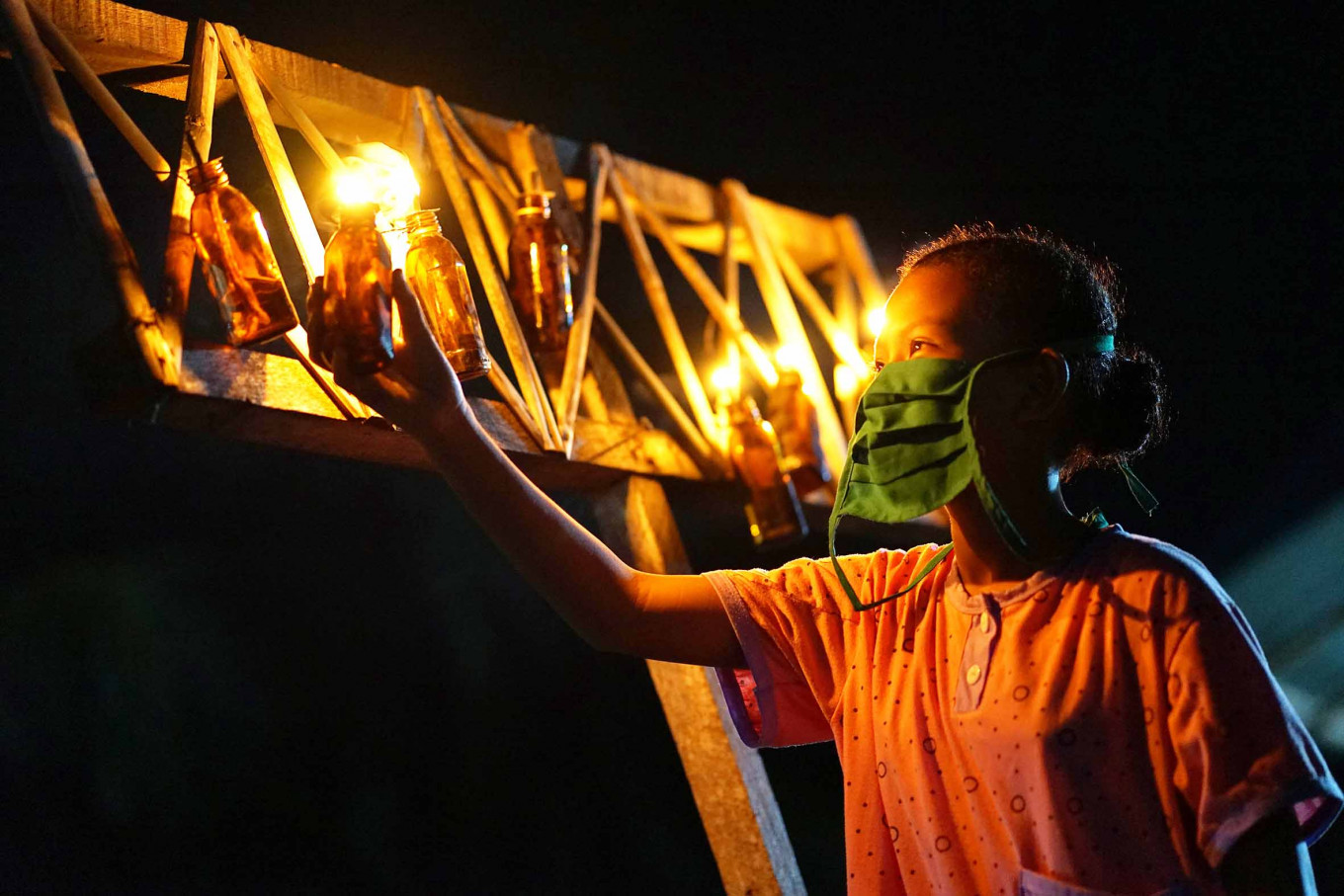
Light up the dark: A girl lights up an oil lamp during the tumbilotohe celebration in Gorontalo, Gorontalo on Wednesday. The celebration is a local’s tradition celebrated a couple of days before Idul Fitri. Antara/Adiwinata Solihin
There’s no better time for Muslims to gather with their loved ones than on Idul Fitri, or Lebaran.
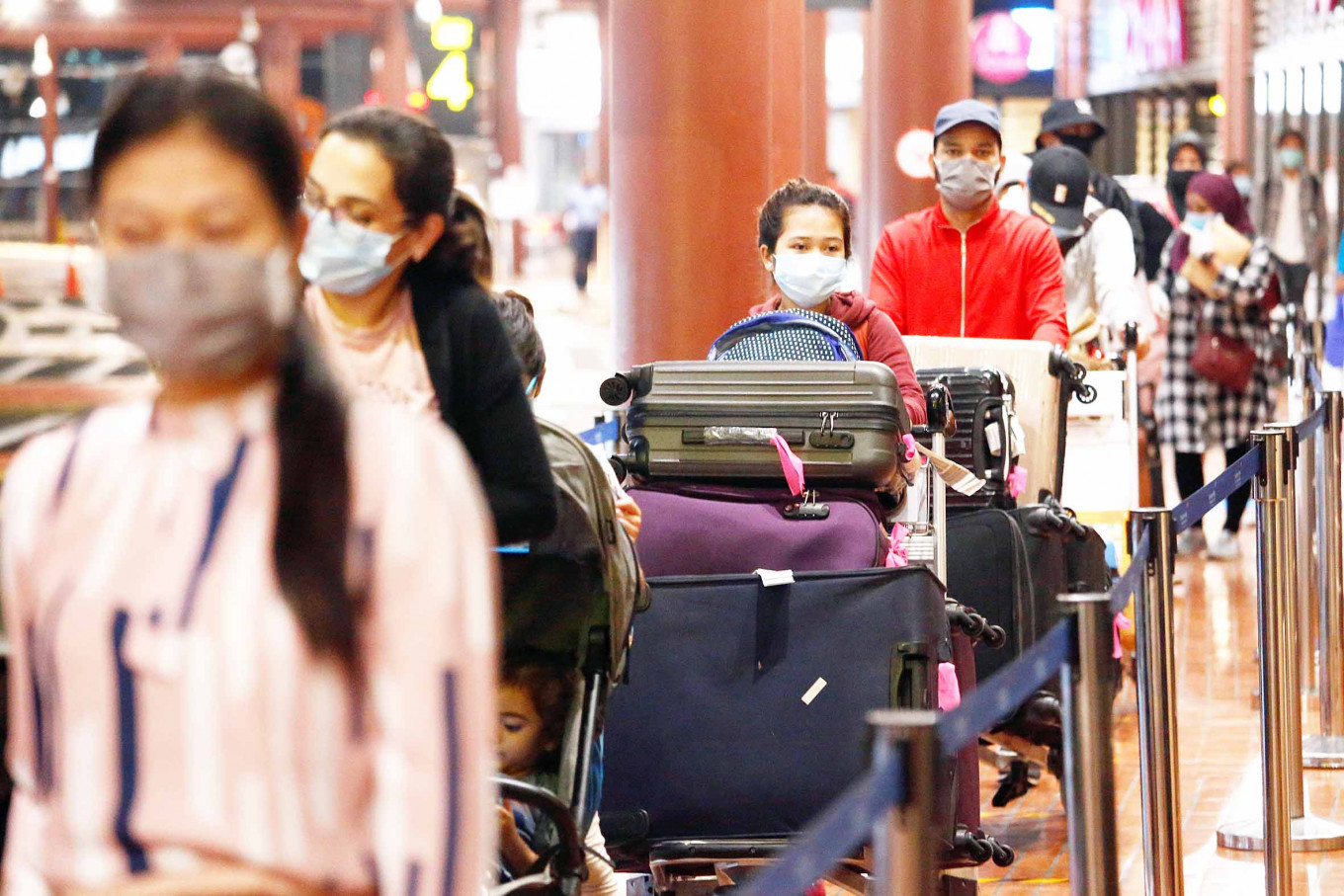
Every year, millions of Indonesians journey back to their hometowns to celebrate the biggest Muslim holiday with their families, some of whom they may not have seen for months or even years.
But this year, it will be a little different.
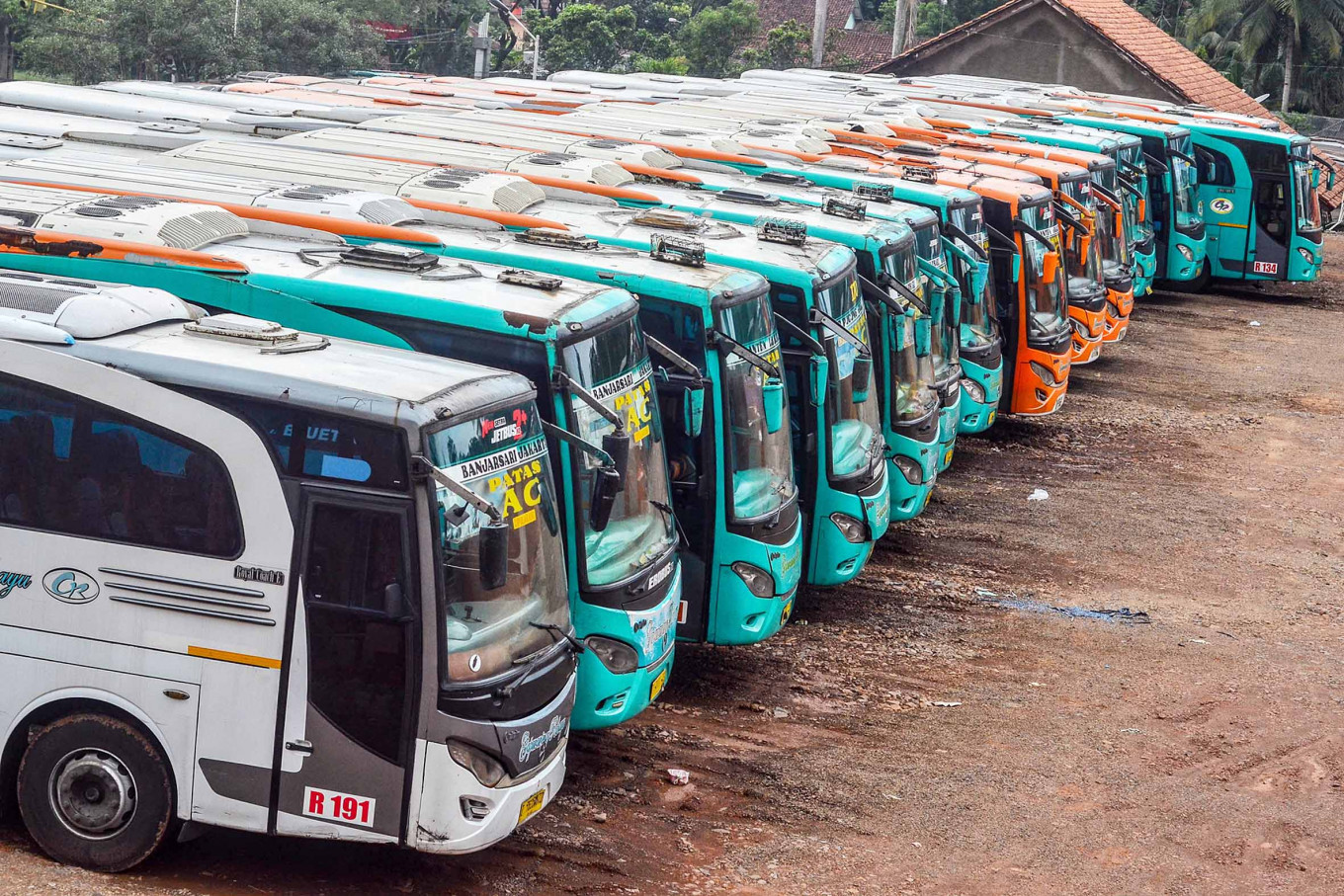
The COVID-19 outbreak and attendant restrictions are keeping people at home and away from any large gatherings to flatten the curve of infection. Both regular and seasonal businesses are also feeling the crunch.
However, the show must go on for some people.
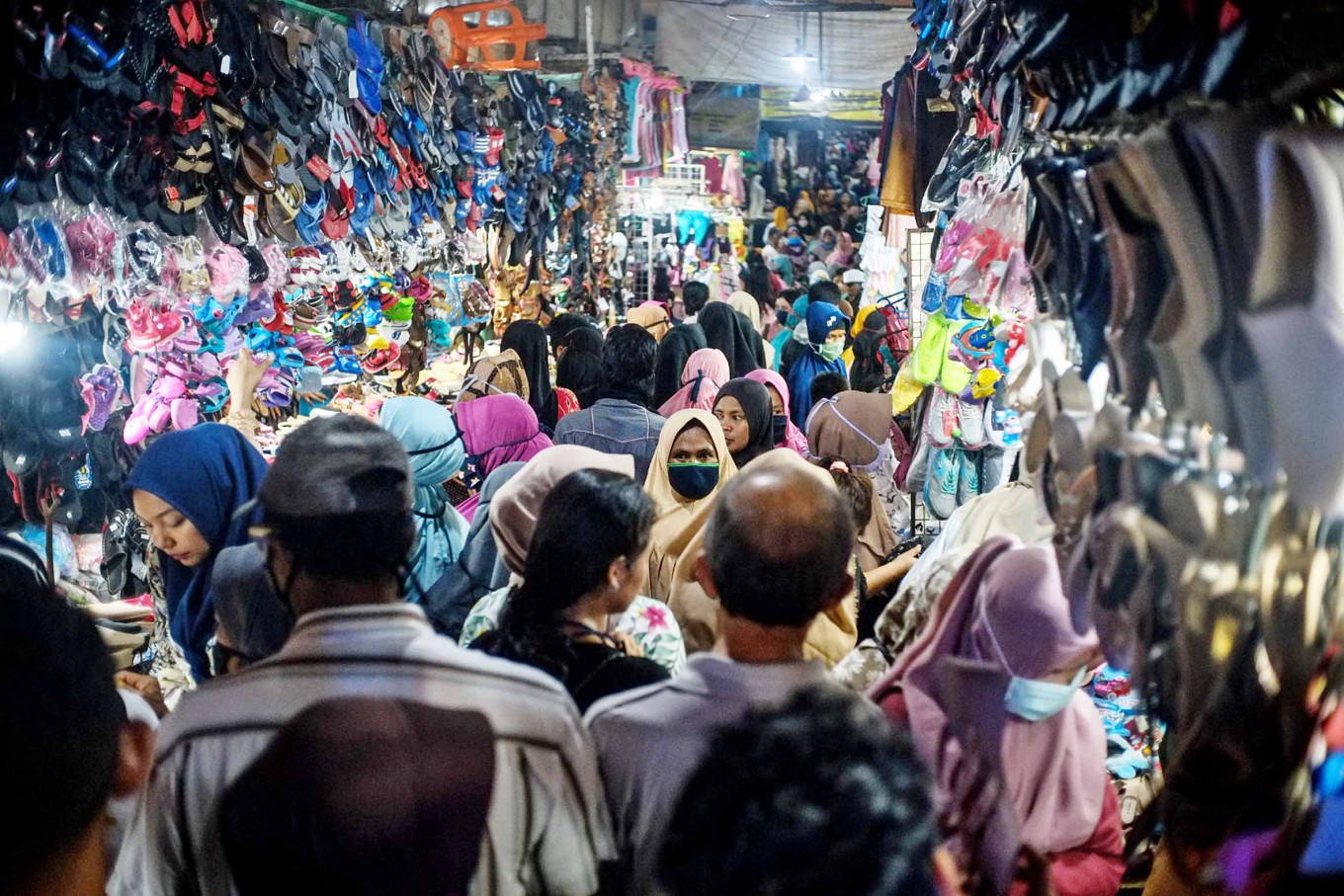
Many traders are flouting the large-scale social restrictions (PSBB), along with hundreds of shoppers who are flocking to markets for last-minute Idul Fitri shopping to buy food and new clothes as tradition dictates.
On the mudik (exodus) front, people are using whatever means possible to surreptitiously travel back to their hometowns in blatant disregard of emergency health protocols, including the mudik ban.
Going on mudik this year might even spread the COVID-19 virus farther afield, especially since people who carry the virus are not always symptomatic. The daily tally of infections has seen a spike in the last couple of days, despite the social restrictions that have been in place for almost two months.
The concerned public really cannot expect much from each other, though, when their leaders issue ambiguous messages and policies that are sometimes contradictory. All they can do for now is hope – and pray, as the health minister once boasted as a reason for why the pandemic had not arrived on Indonesian shores.
That premature statement – like Idul Fitri of years past that involved family reunions filled with hugging and congregational prayers at mosques on the first morning of the holiday – seems like something that occurred in an alternate reality.
Share your experiences, suggestions, and any issues you've encountered on The Jakarta Post. We're here to listen.
Thank you for sharing your thoughts. We appreciate your feedback.