TheJakartaPost
Please Update your browser
Your browser is out of date, and may not be compatible with our website. A list of the most popular web browsers can be found below.
Just click on the icons to get to the download page.


Popular Reads
Top Results
Can't find what you're looking for?
View all search results
Popular Reads
Top Results
Can't find what you're looking for?
View all search results-
/
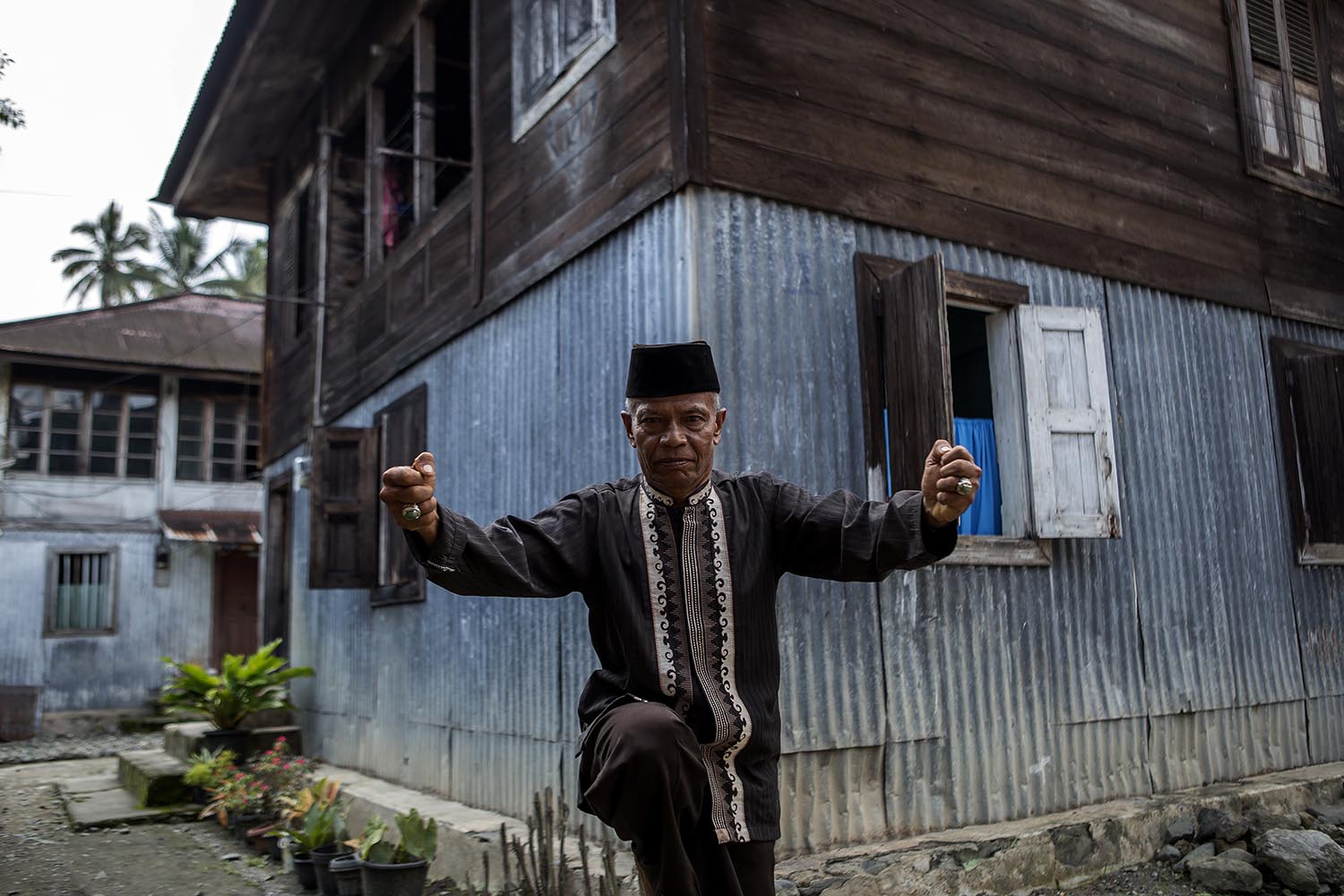
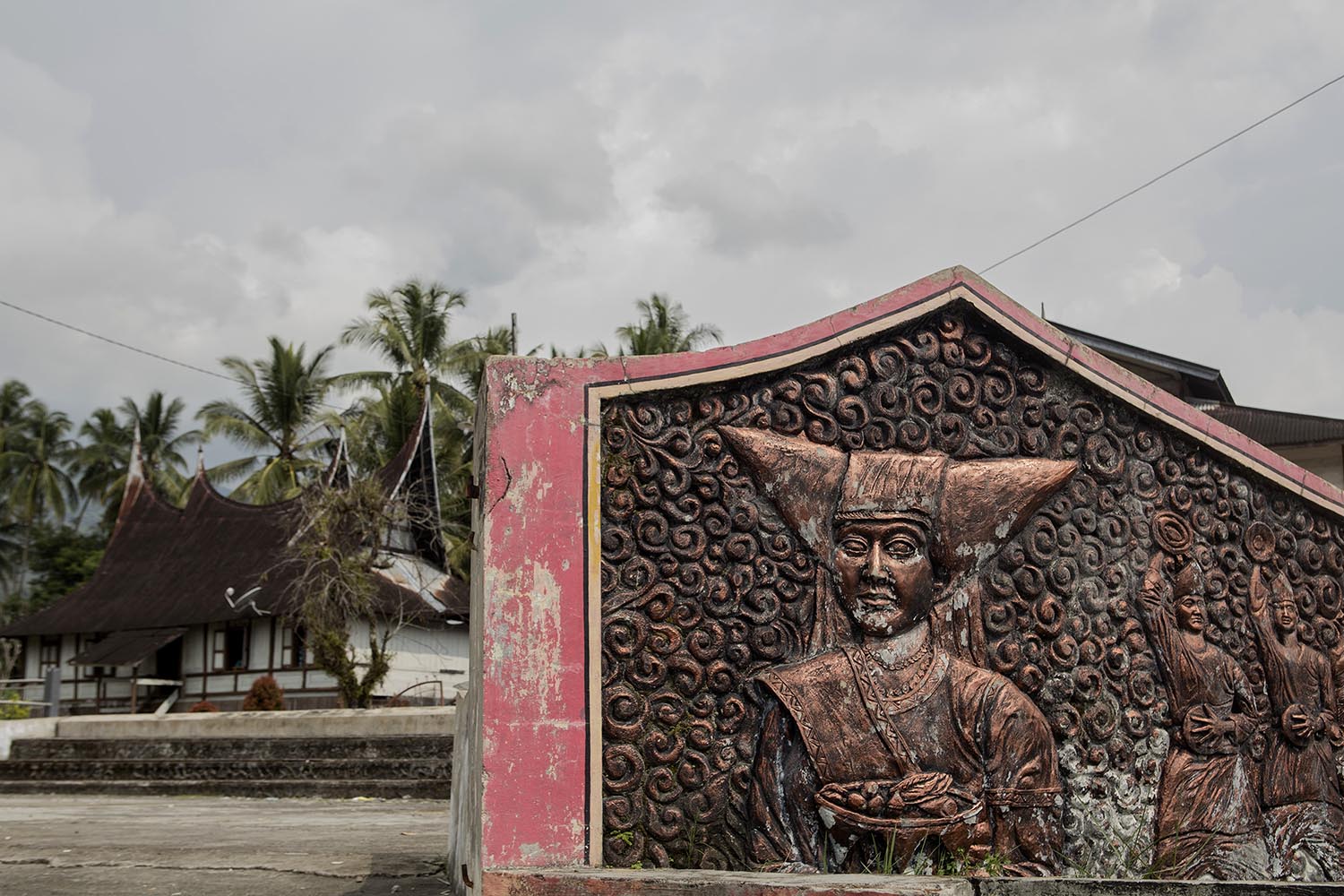
A traditional Minangkabau house on the edge of Maninjau Lake. The house is where one teaches his or her nephews and nieces silat from a young age. JP/Ramadhani
/Muhajirin Tanjung Imam Nan Basa in his farm. After retiring from the army, he chose to stay in his home town. JP/Ramadhani
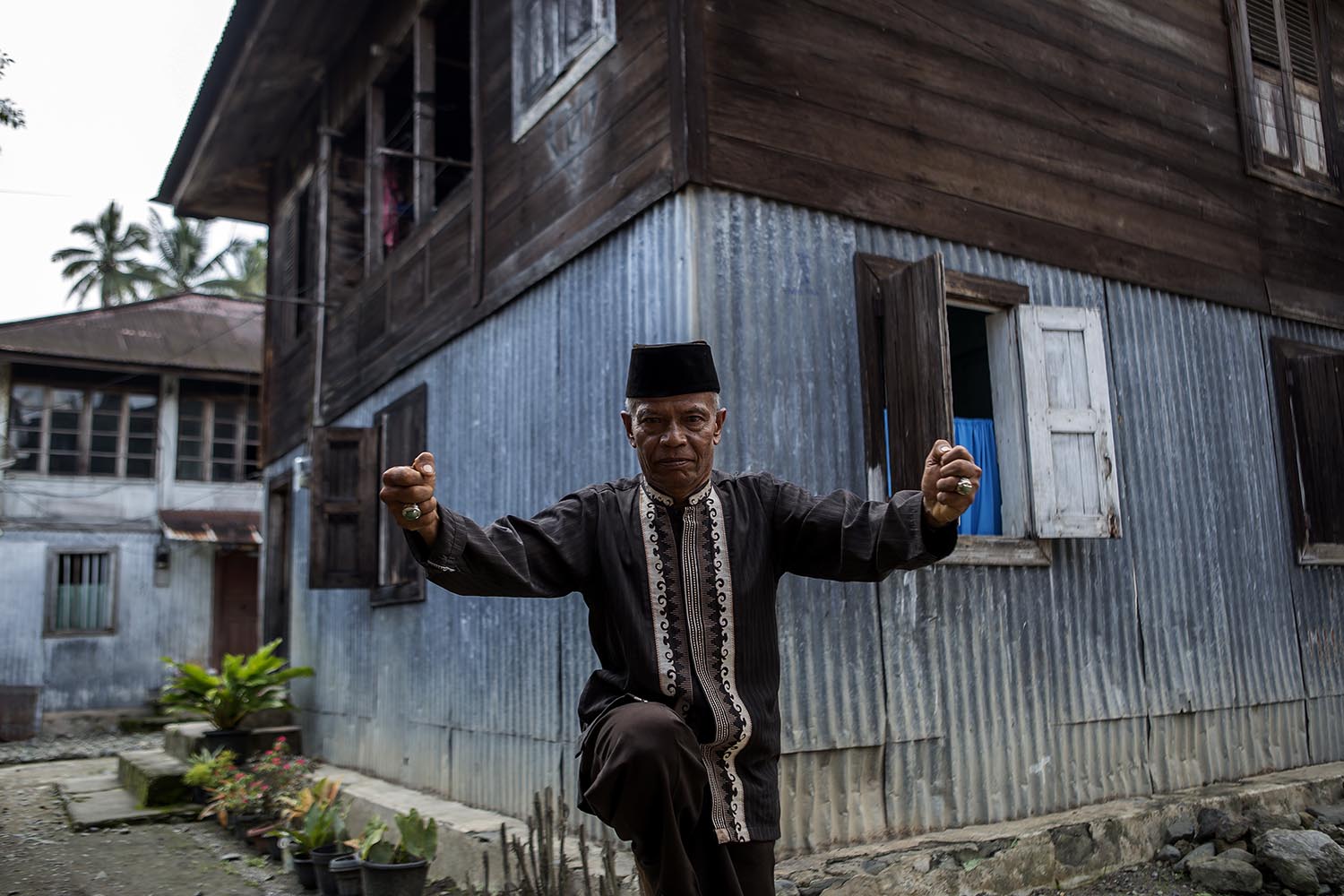
/Imam shows the “Tagak Ba” move, taken from the “Ba” in the Arabic script. The move is included in the Silek Tuo discipline. JP/Ramadhani
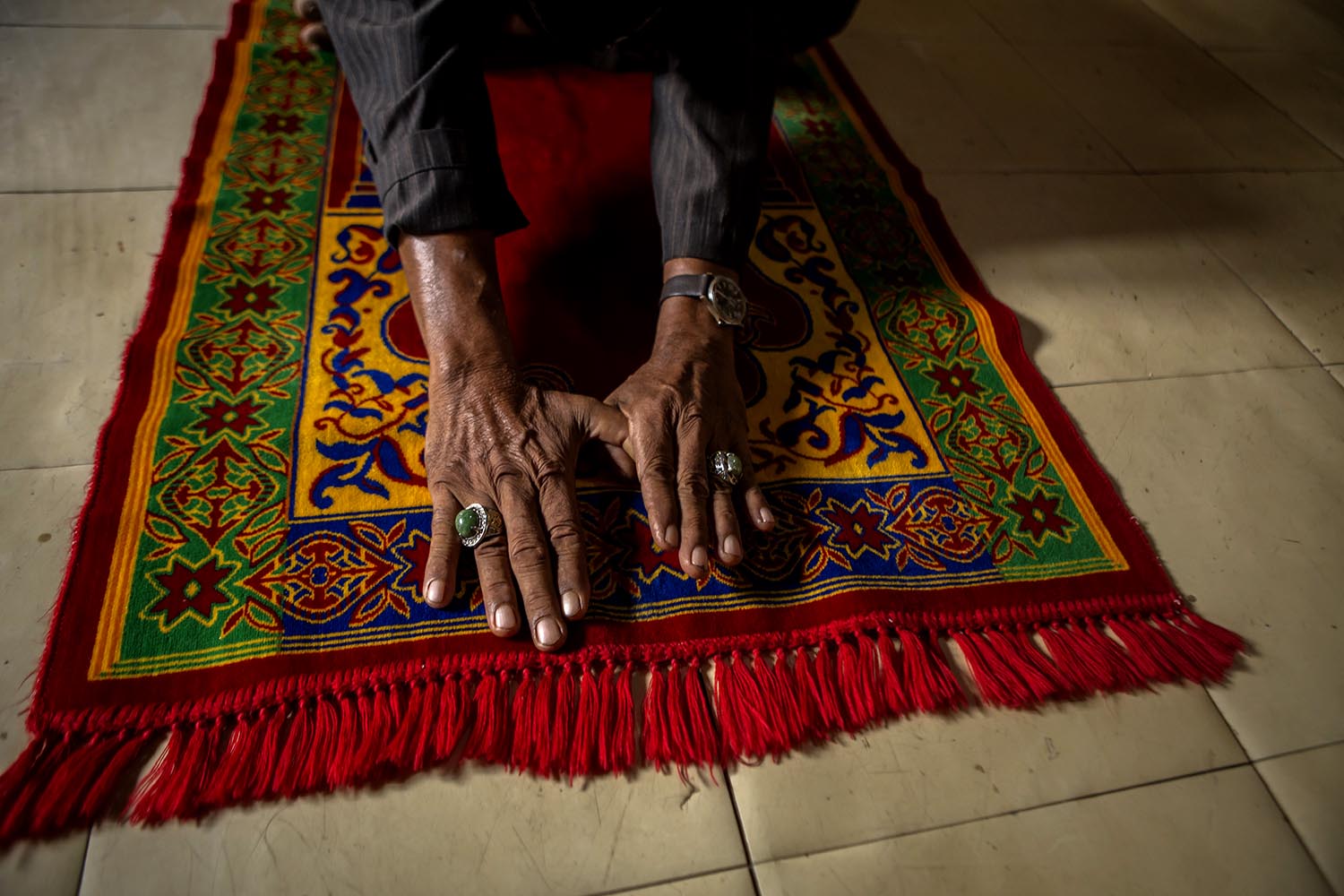
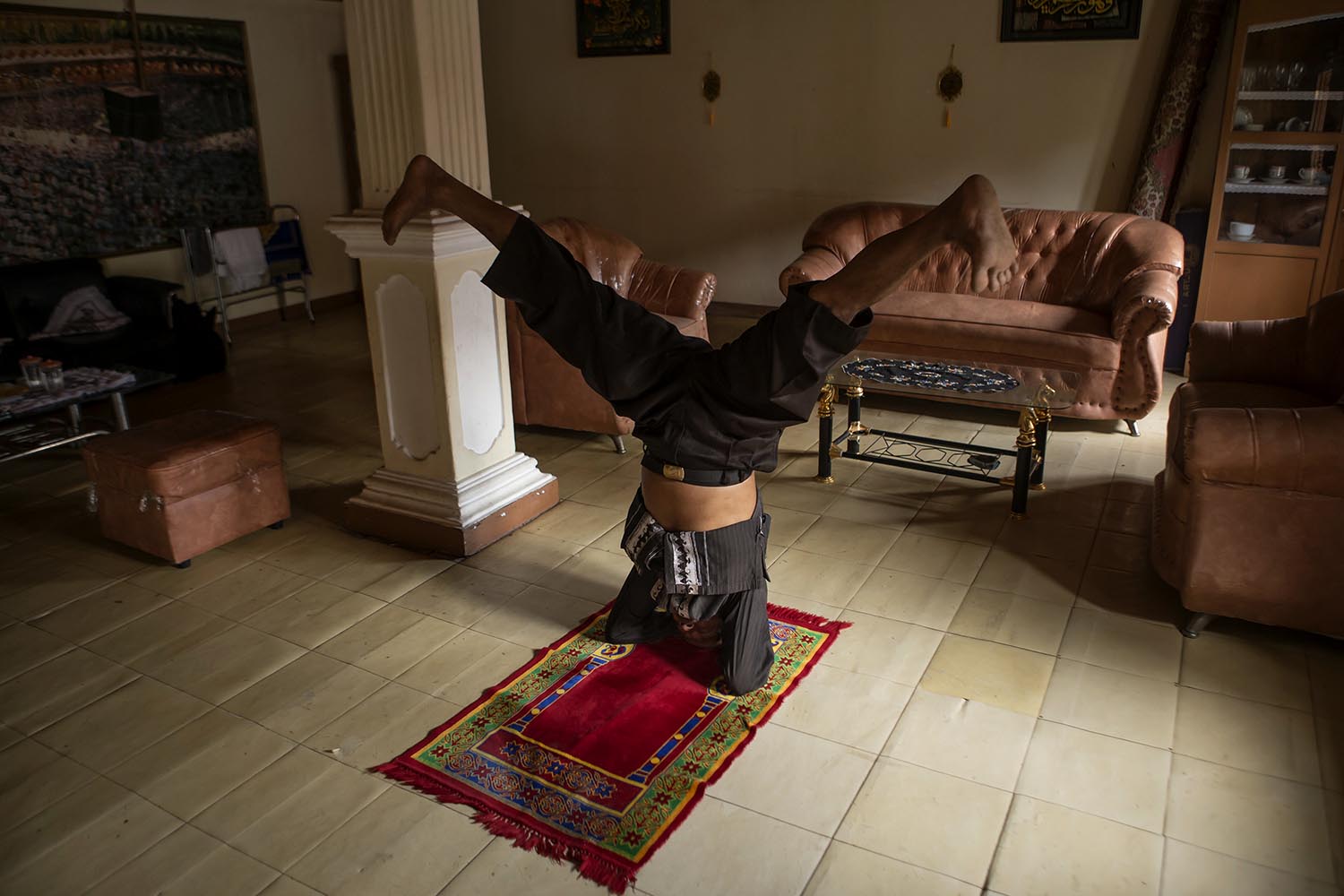
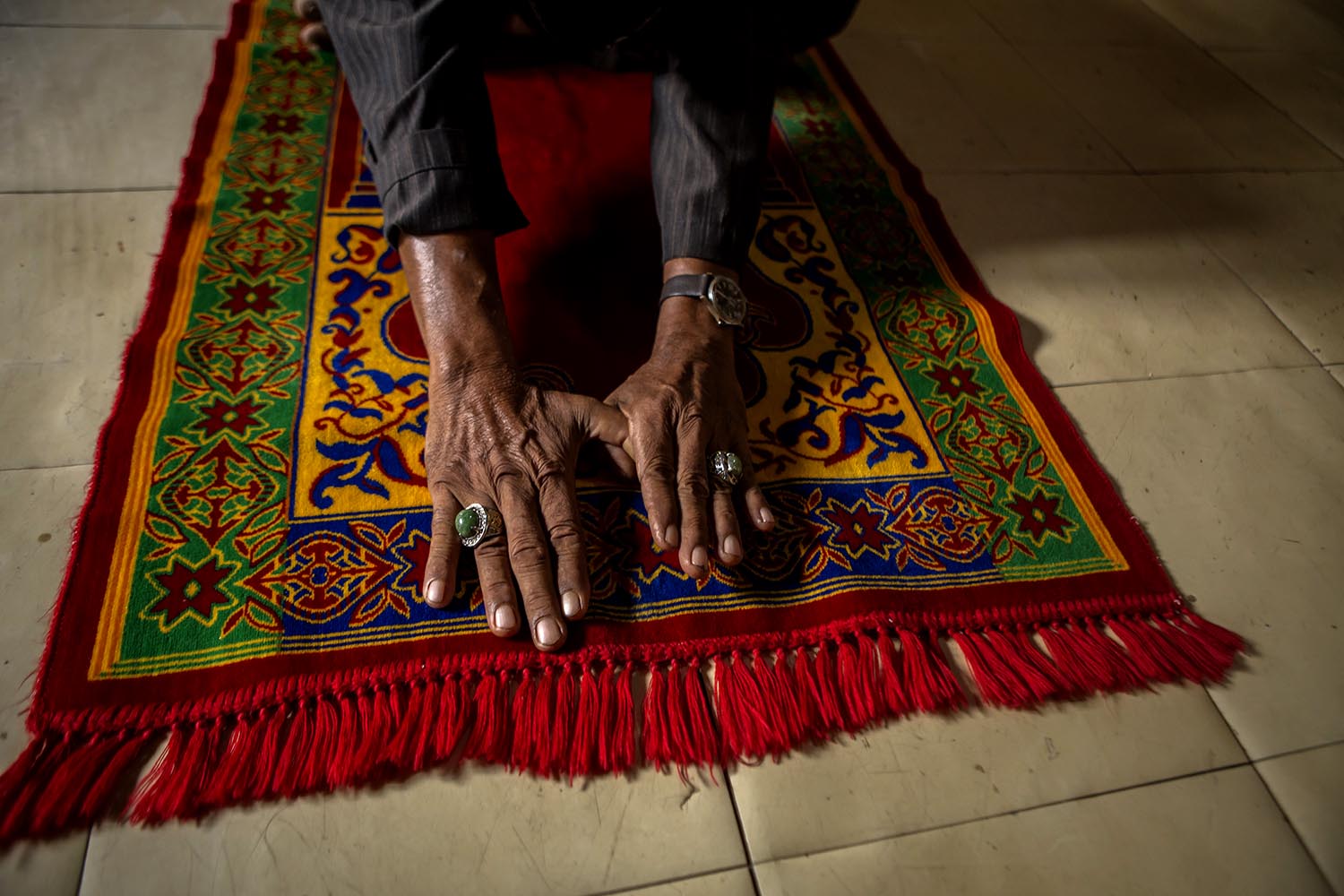
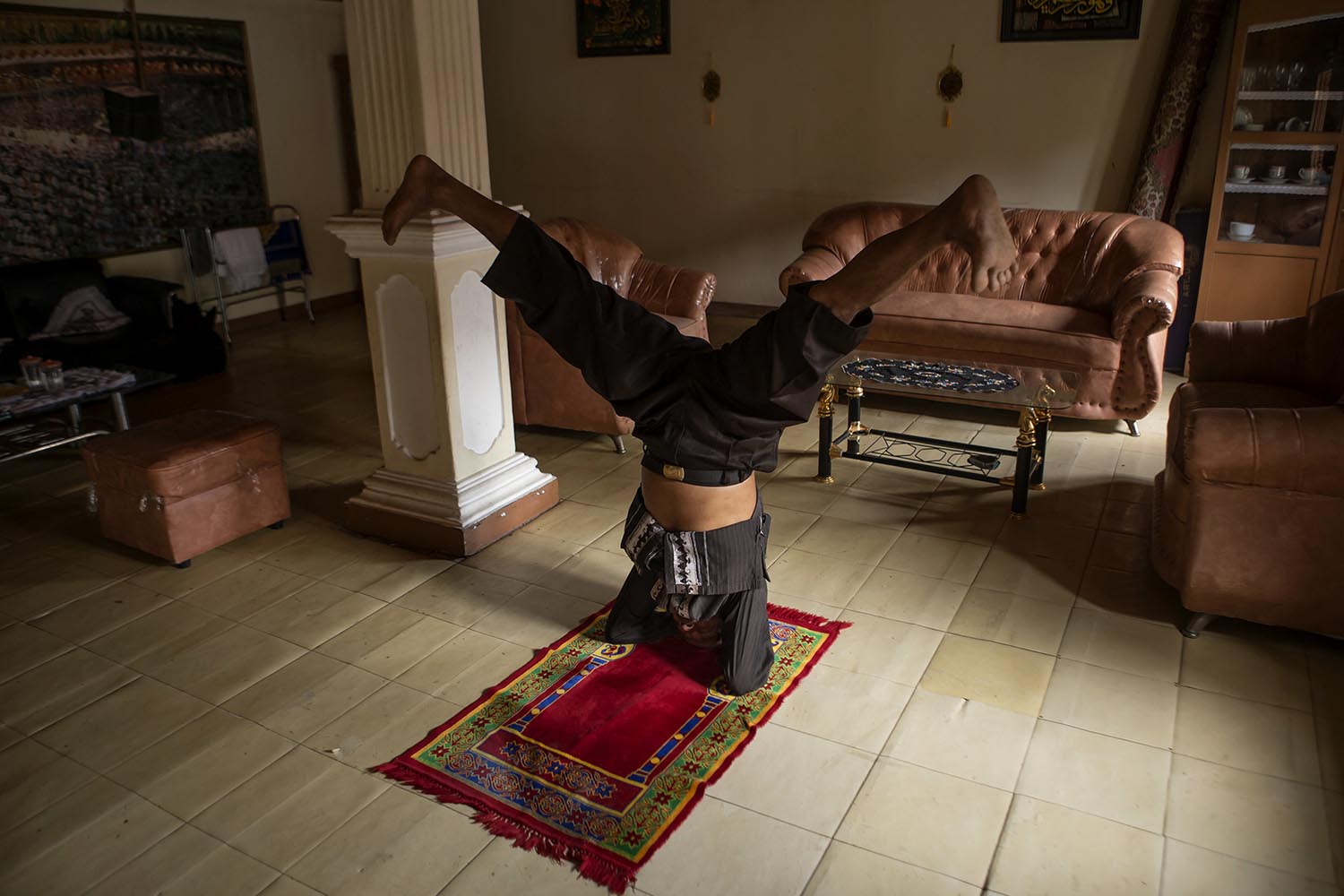
/A trainee exercises a breathing technique developed by Imam on a sajadah (prayer mat). JP/Ramadhani
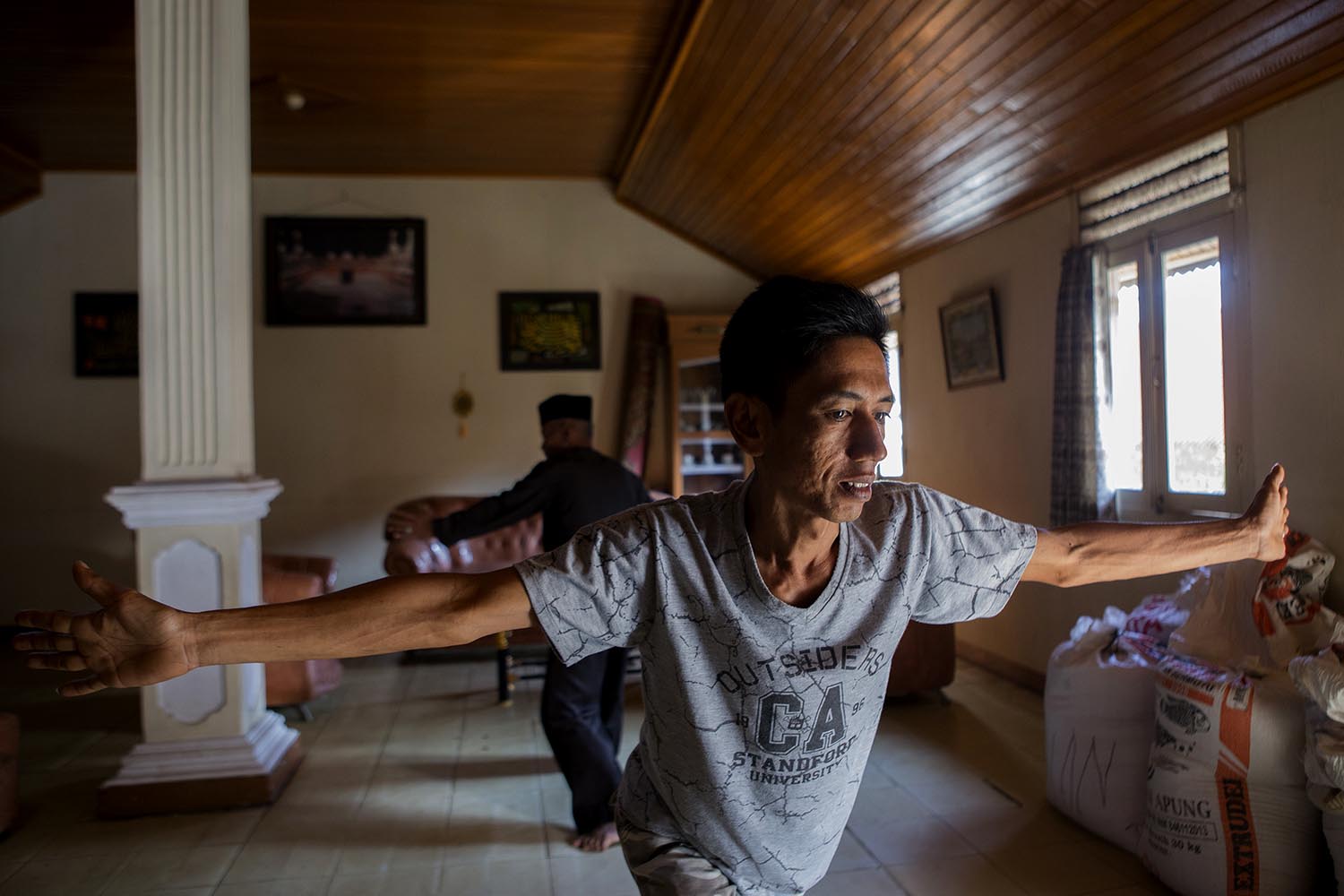
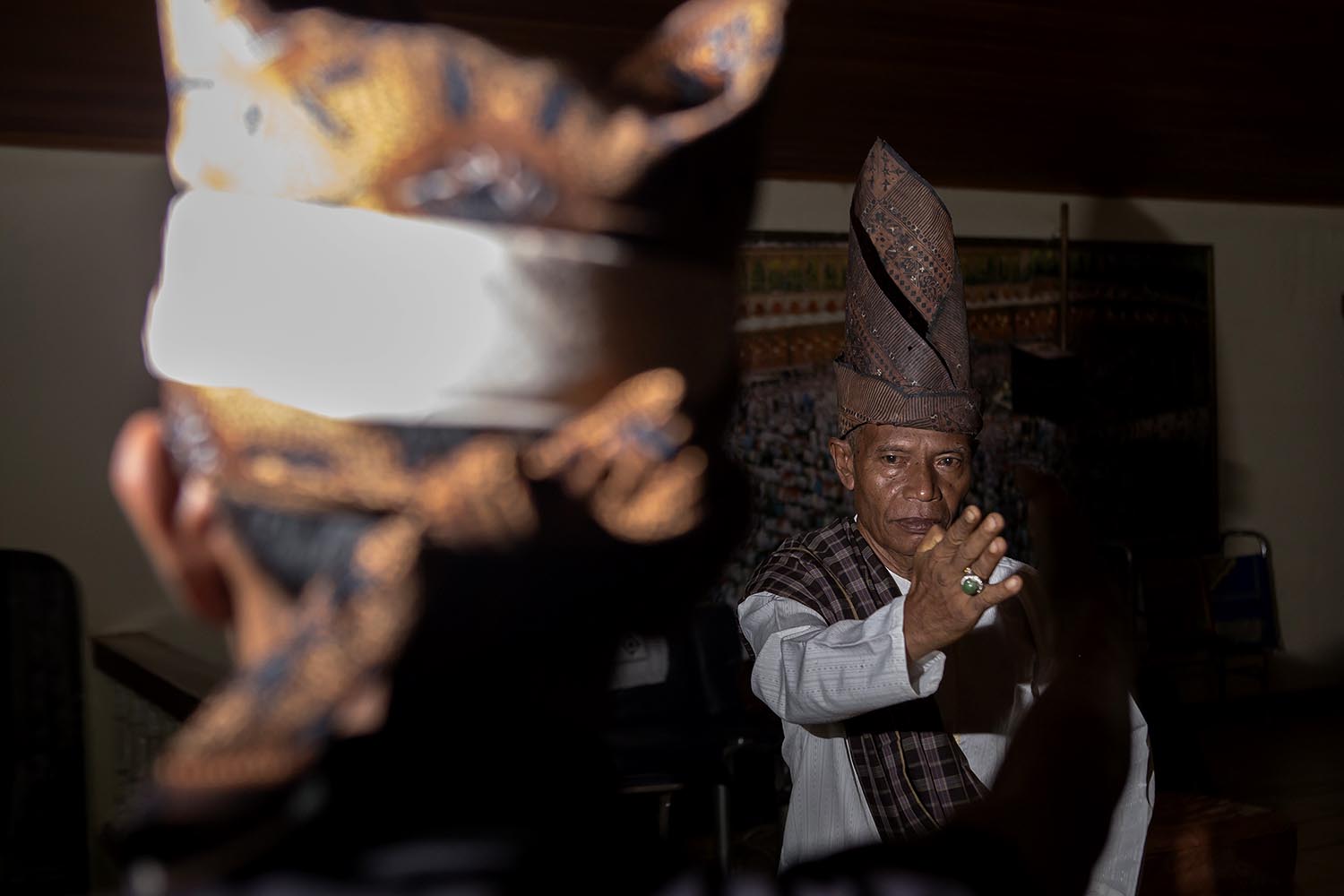
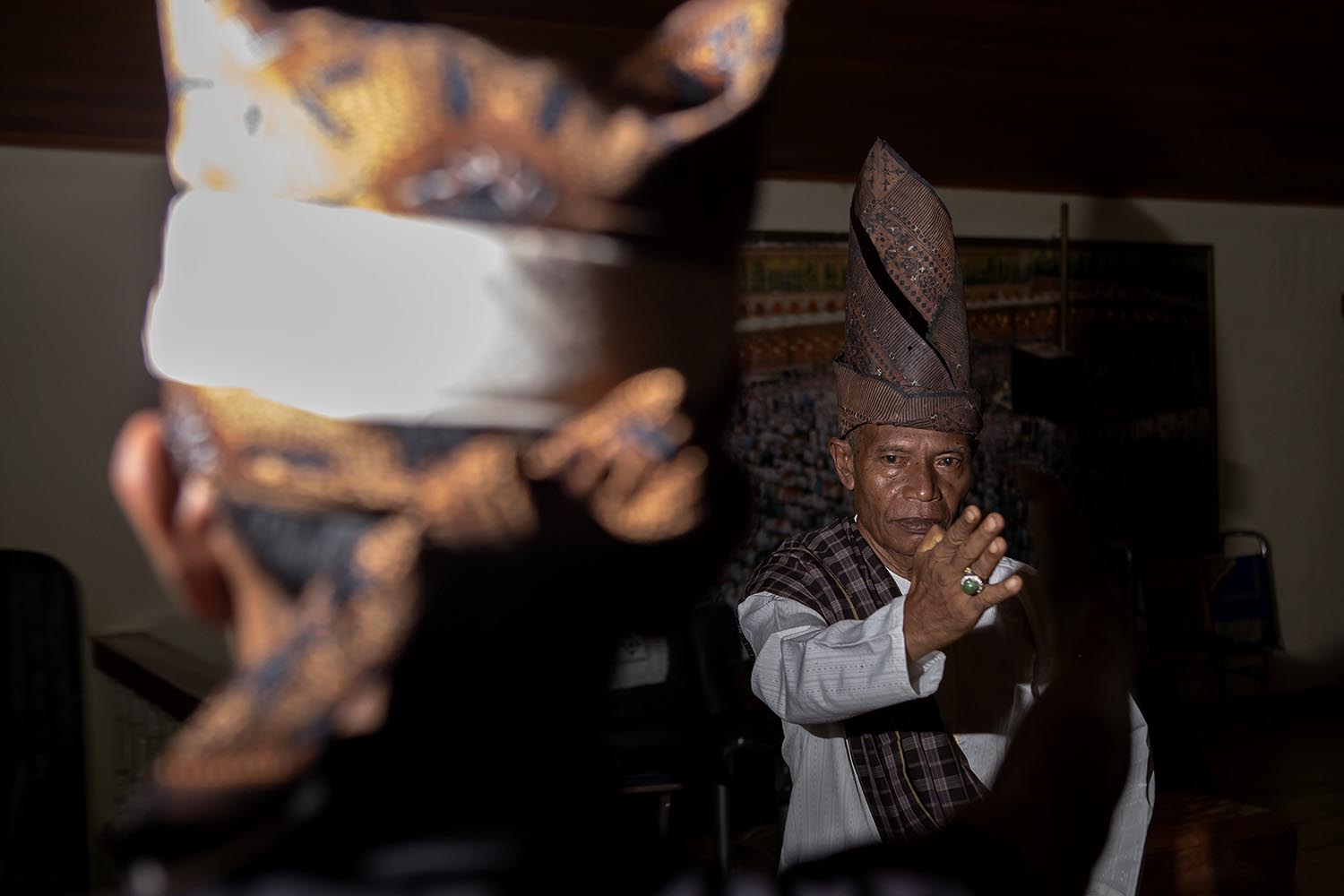
/Imam teaches moves to his students. Deadly moves are usually taught during the nighttime. JP/Ramadhani
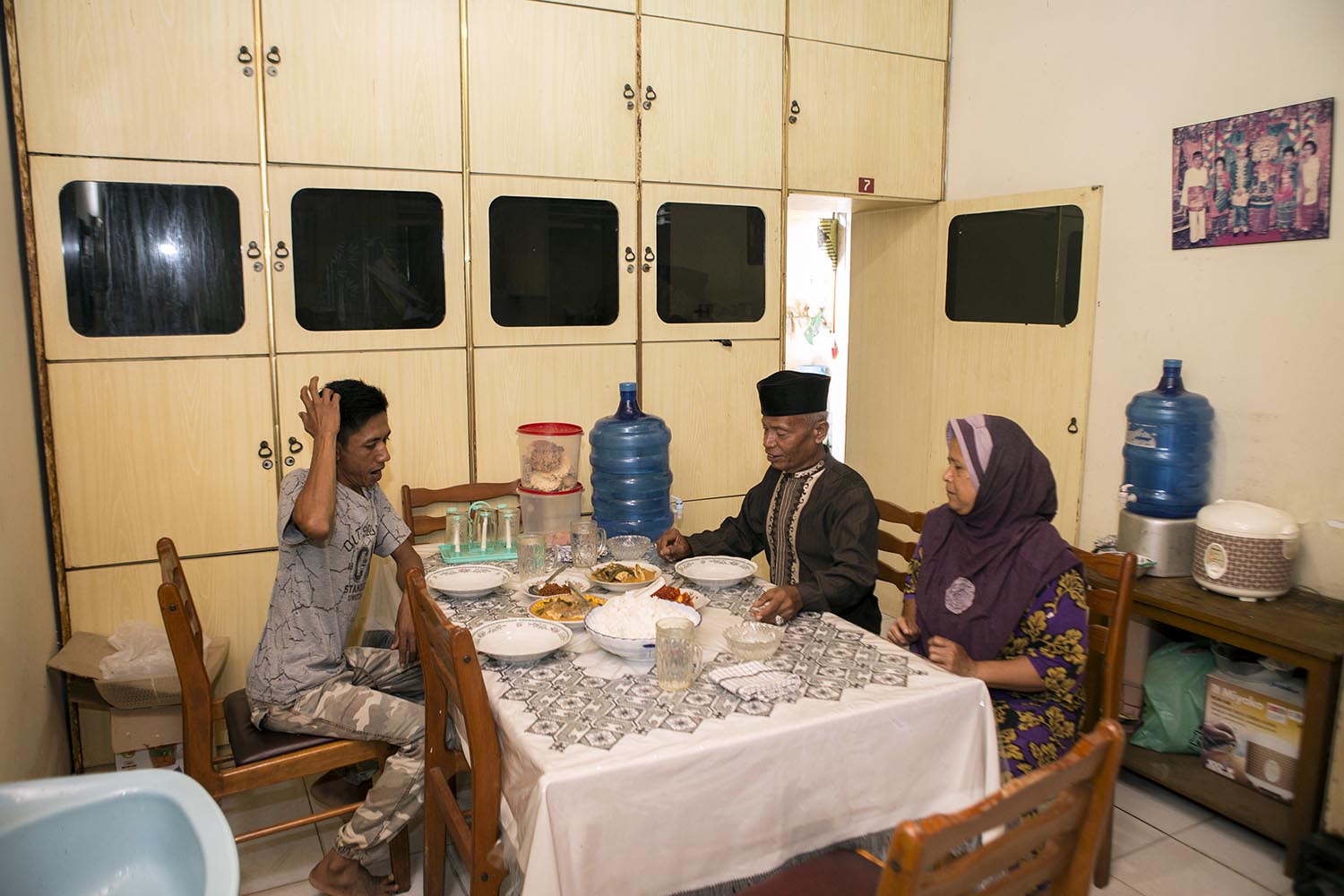
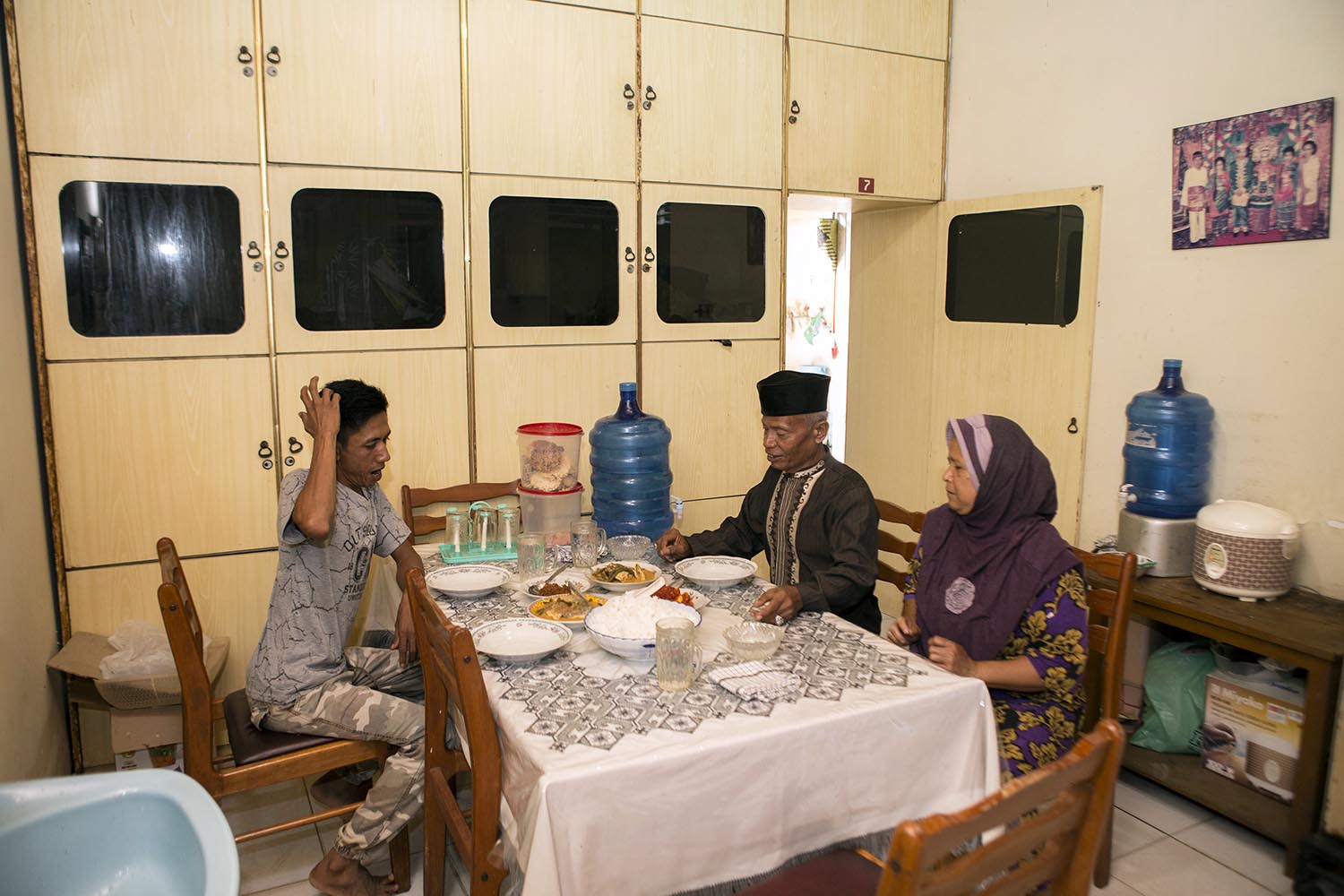
/Upon learning silat, it is not unusual for a student to become a member of the teacher’s family. JP/Ramadhani
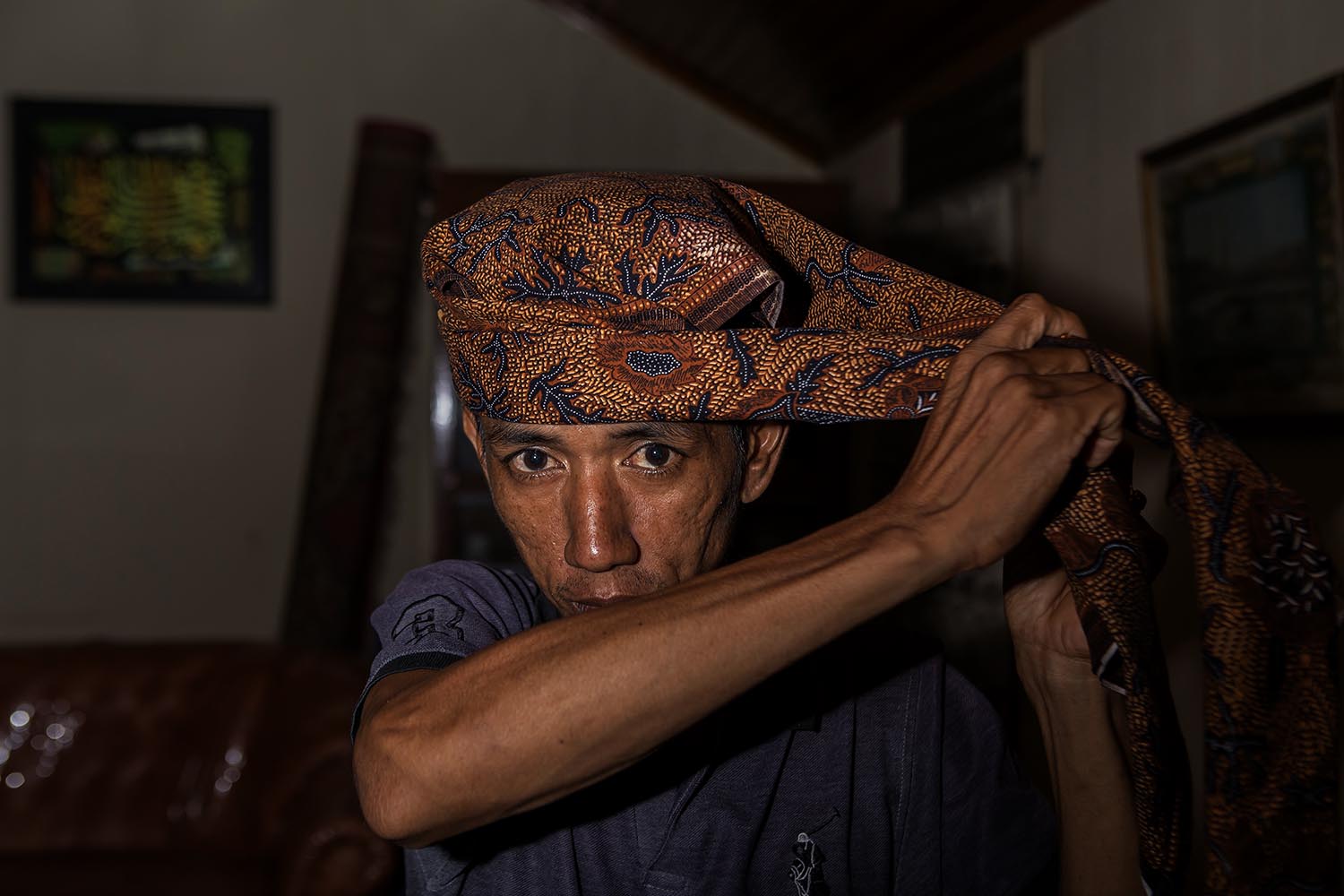
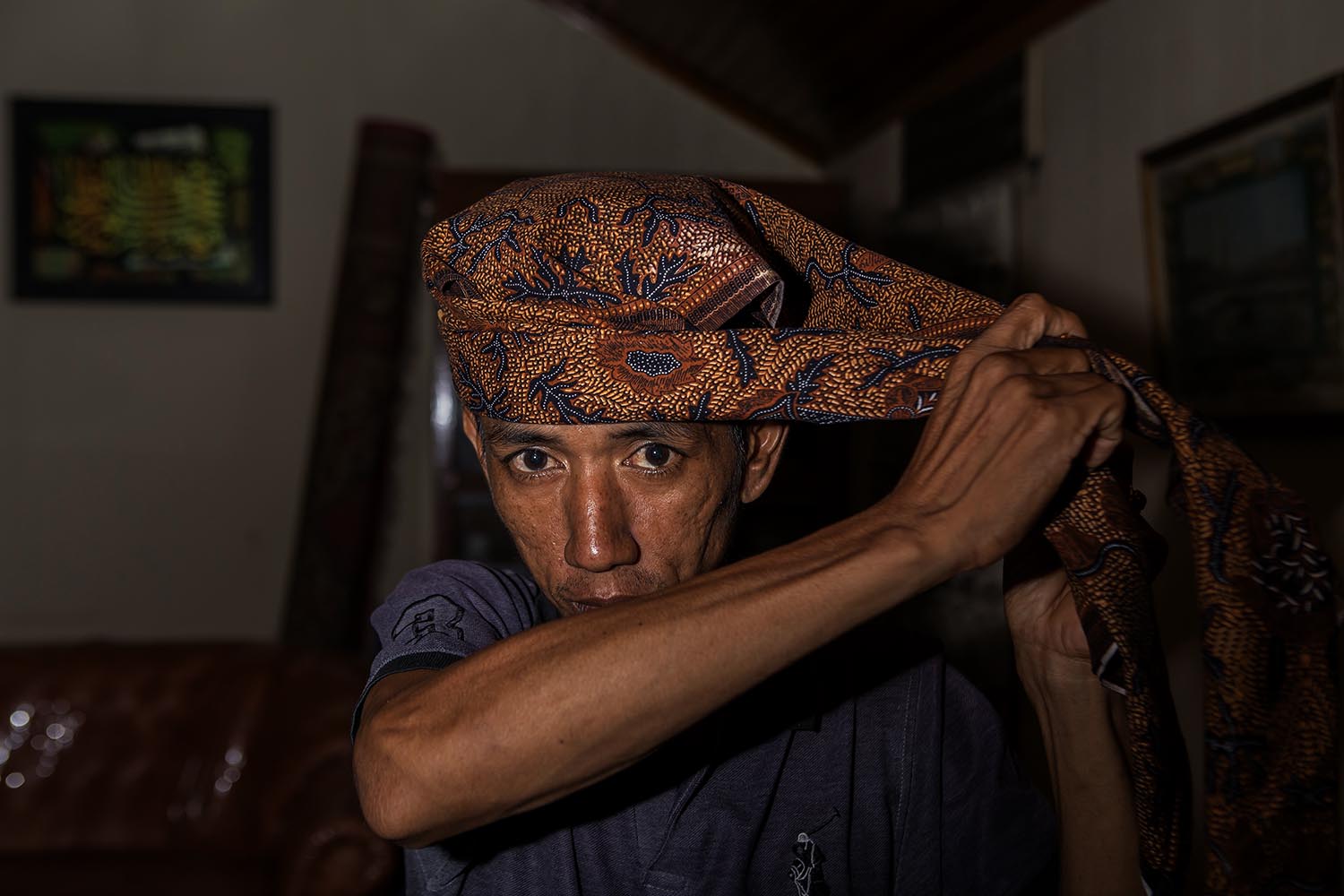
/A student puts on a deta (headband). It is considered a must and a form of respect during practice in the evenings. JP/Ramadhani
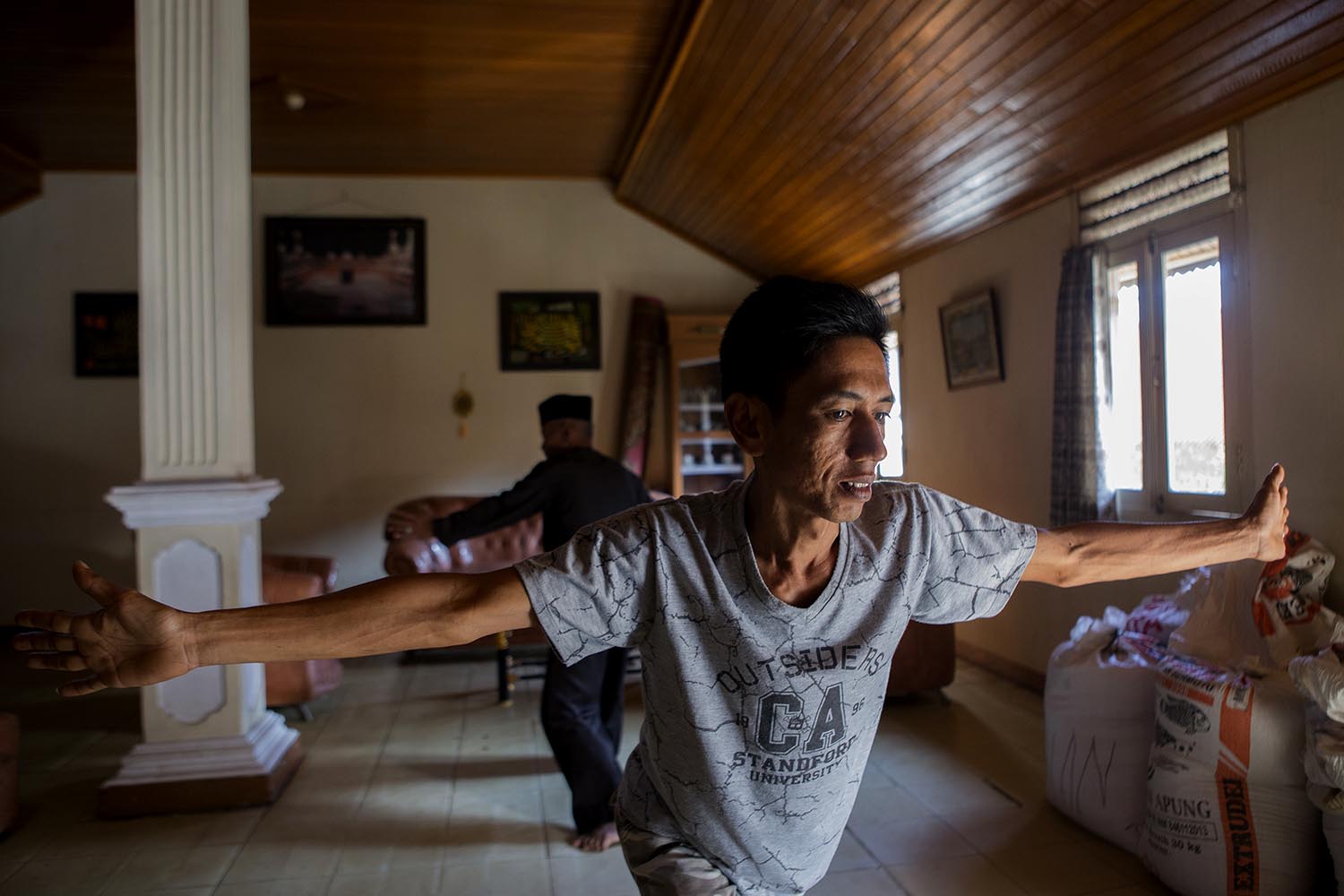
/Practicing silat on sajadah (prayer mat) is considered an exercise to improve one’s strength and balance. JP/Ramadhani
/Imam shows the starting pose of a move. JP/Ramadhani
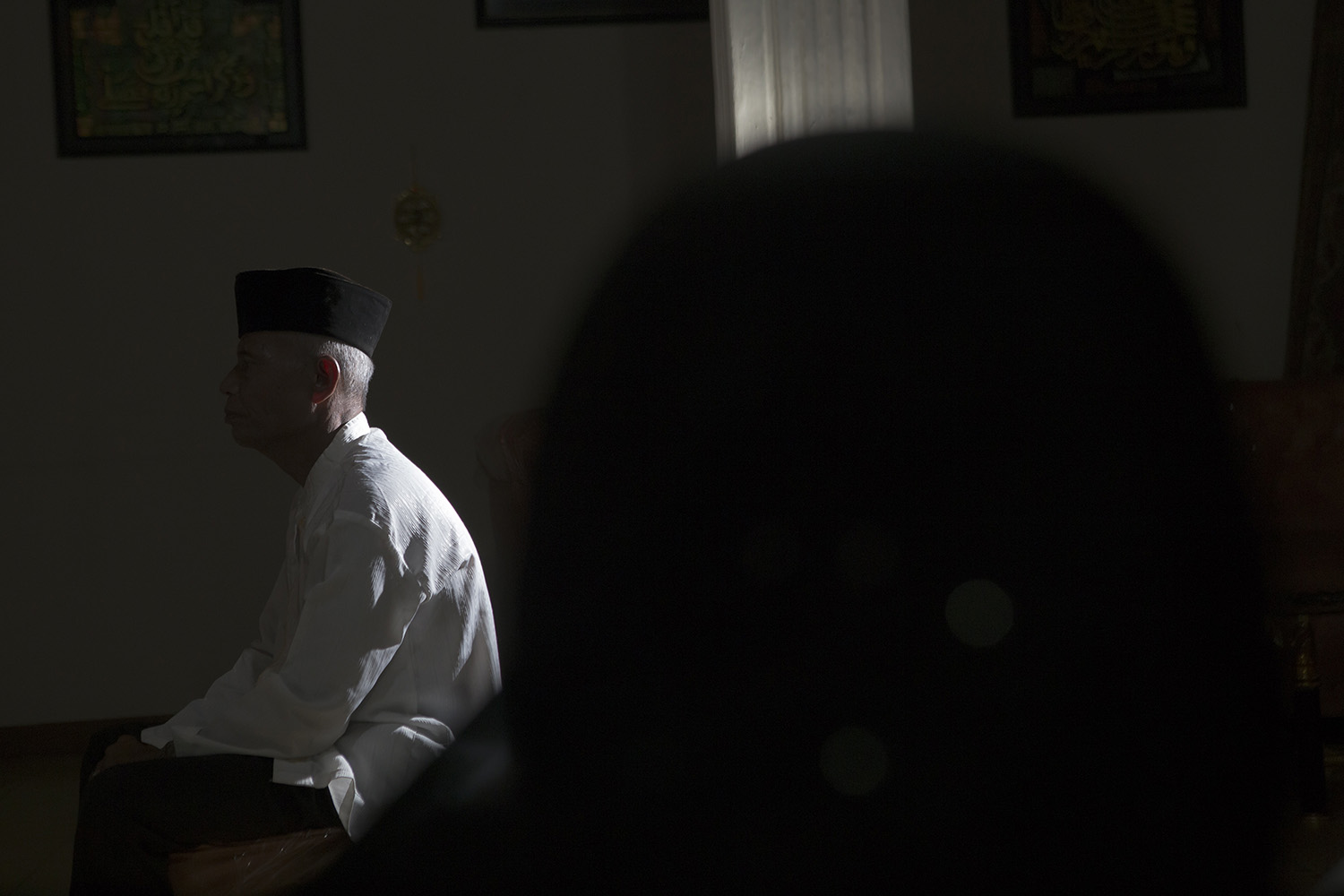
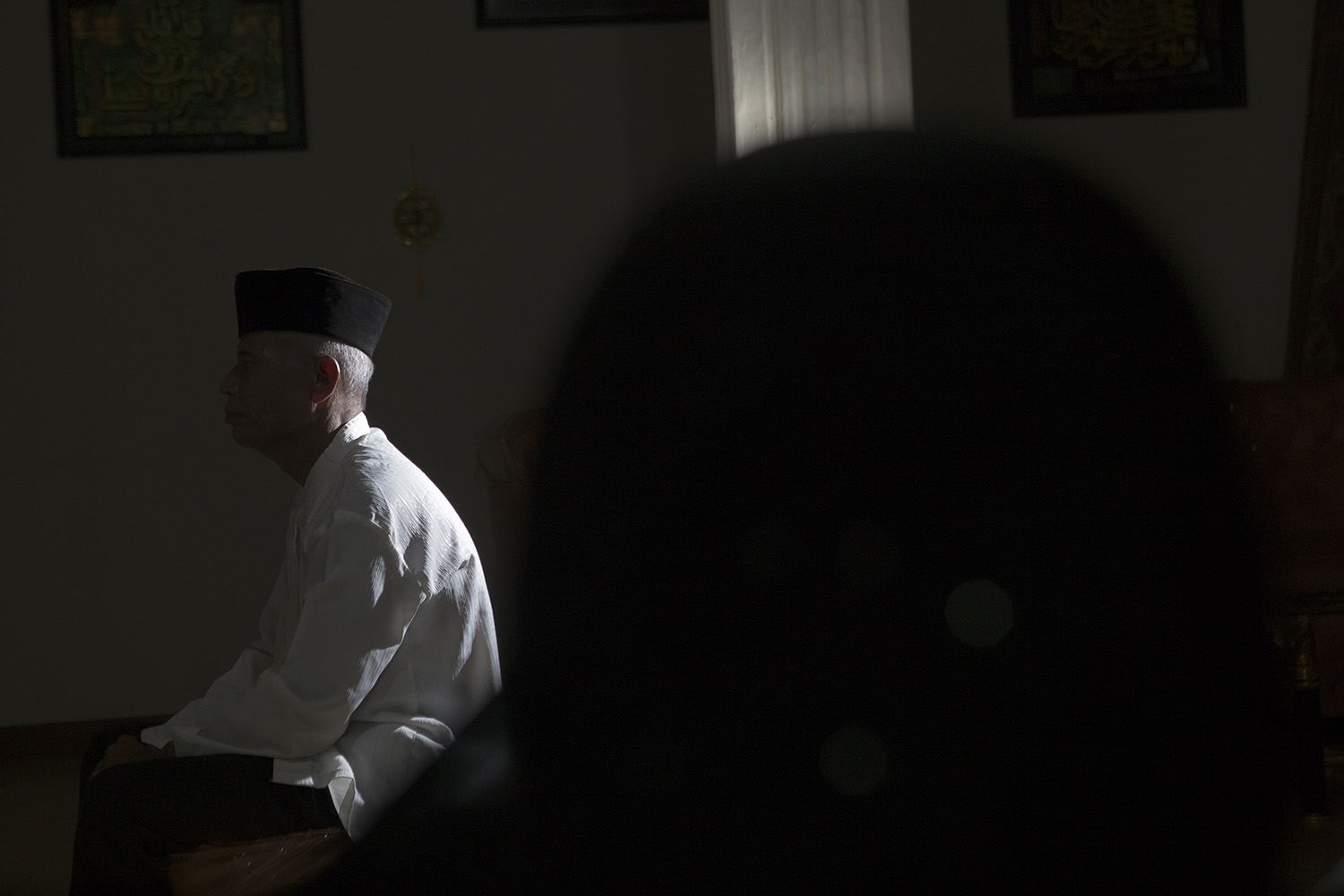
/When he’s not teaching silat, Imam spends evenings in silence to train his senses. JP/Ramadhani
/Imam spends leisure time with fellow silat artists. JP/Ramadhani
Ramadhani
Although the debates are still ongoing, there is a certain belief that the martial art of silat came from the deep trenches of Minangkabau, West Sumatra. One humorous myth believes that silat or silek, which essentially means killing in a swift manner, originated from someone’s need to avoid a flying broomstick
launched by a mother’s anger. As time goes on, authentic silat is getting harder and harder to find.Born and bred on the island of Java, 65-year-old silat artist Muhajirin Tanjung Imam Nan Basa was a student of warriors from West Sumatra. Imam learned the art of Silek Tuo at the age of 8. It was considered the mother of all silat disciplines in the region.
During his time serving in the military, Imam learnt a variety of martial arts from various countries. He found that silat was the most effective way to kill someone. He added that the Dutch struggled to defeat Pauh and Koto Tangah in West Sumatra’s Padang during the colonial era, as the area was home to tough silat warriors.
The Silek Tuo Langkah Ampek (Old Silat of Four Steps), Imam found, was aligned with the Islamic values he believed in. Therefore, silat was not something to be taken lightly. “Silat is a means to connect with fellow humans,” he said.
In 1987, he went back to his home town in Maninjau, West Sumatra. At the time, fights between warriors were not uncommon, although they were done secretly. People would know the winner simply by seeing who was still alive the next day.
No longer a young man today, Imam continues to delve deeper into silat. After retirement, he lived as a farmer as he believed the occupation required him to constantly exercise his mind and body. He found that silat was similar to a piece of timeless clothing he could always wear and renew.
With several students under his guidance, Imam is still open to those who want to learn silat. He said he believes the martial art is something to be shared as long as he is alive. In his every step, Imam preserves silat as it lives in his body and mind. (wng)
Swipe Left or Right

You might also like














© 2016 - 2026 PT. Bina Media Tenggara
Your Opinion Matters
Share your experiences, suggestions, and any issues you've encountered on The Jakarta Post. We're here to listen.
Thank You
Thank you for sharing your thoughts. We appreciate your feedback.