double-skinned crabsVietnamese crab exporterexellent crabgood crab

TheJakartaPost

Please Update your browser

Your browser is out of date, and may not be compatible with our website. A list of the most popular web browsers can be found below.
Just click on the icons to get to the download page.


Jakarta Post

Traditional blacksmiths survive in Klaten market

Mon, September 2, 2019   /   02:53 pm
/

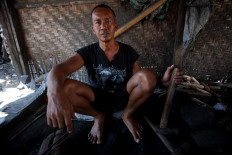
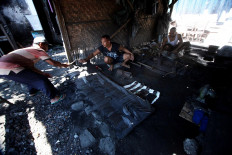
Dhadi helps Asmorojati in the workshop, house and market. JP/Boy T. Harjanto

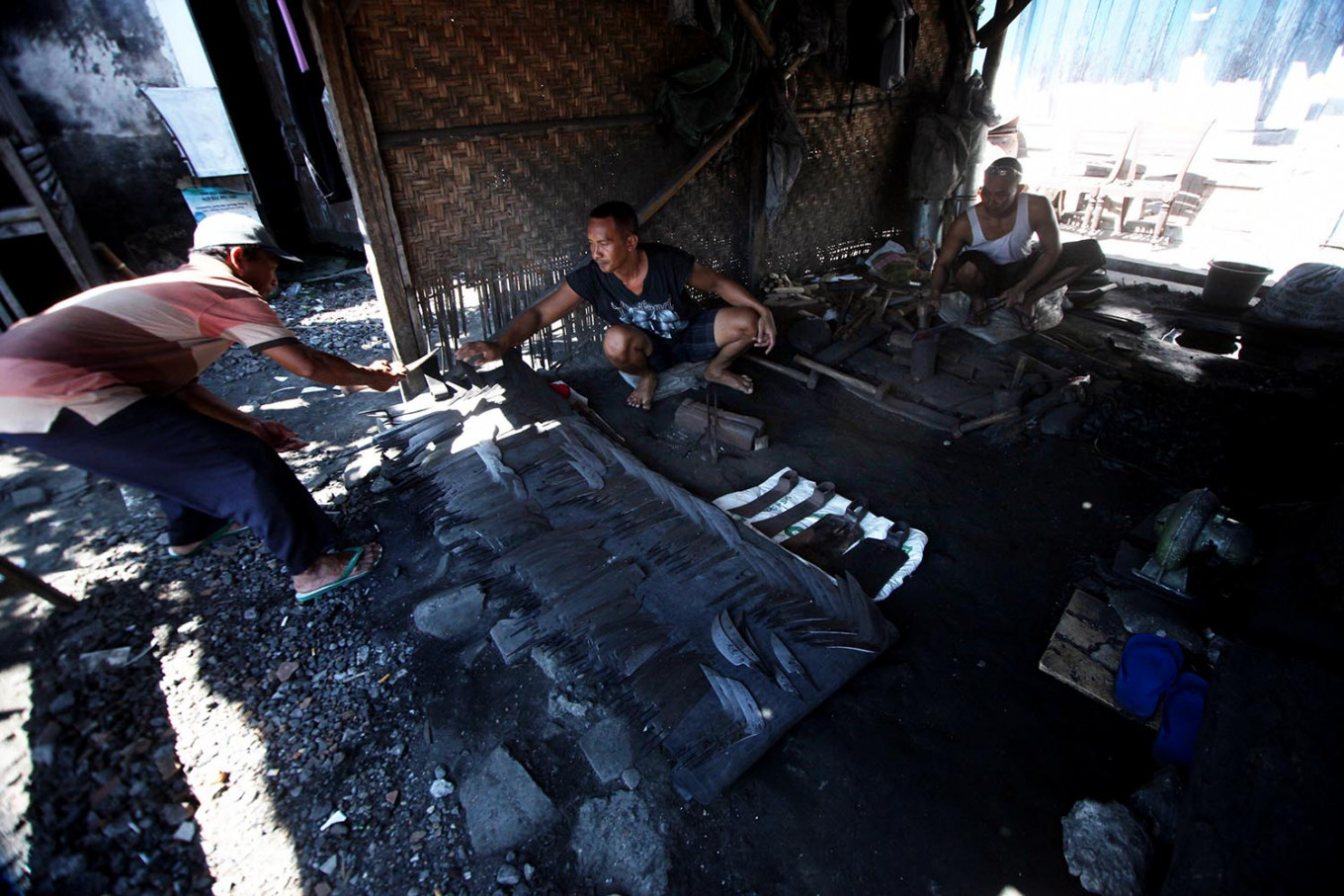
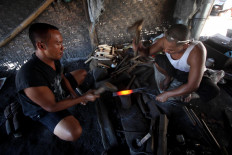
  • "> + See SlideShow A knife blade is hammered into shape. JP/Boy T. Harjanto
  • /

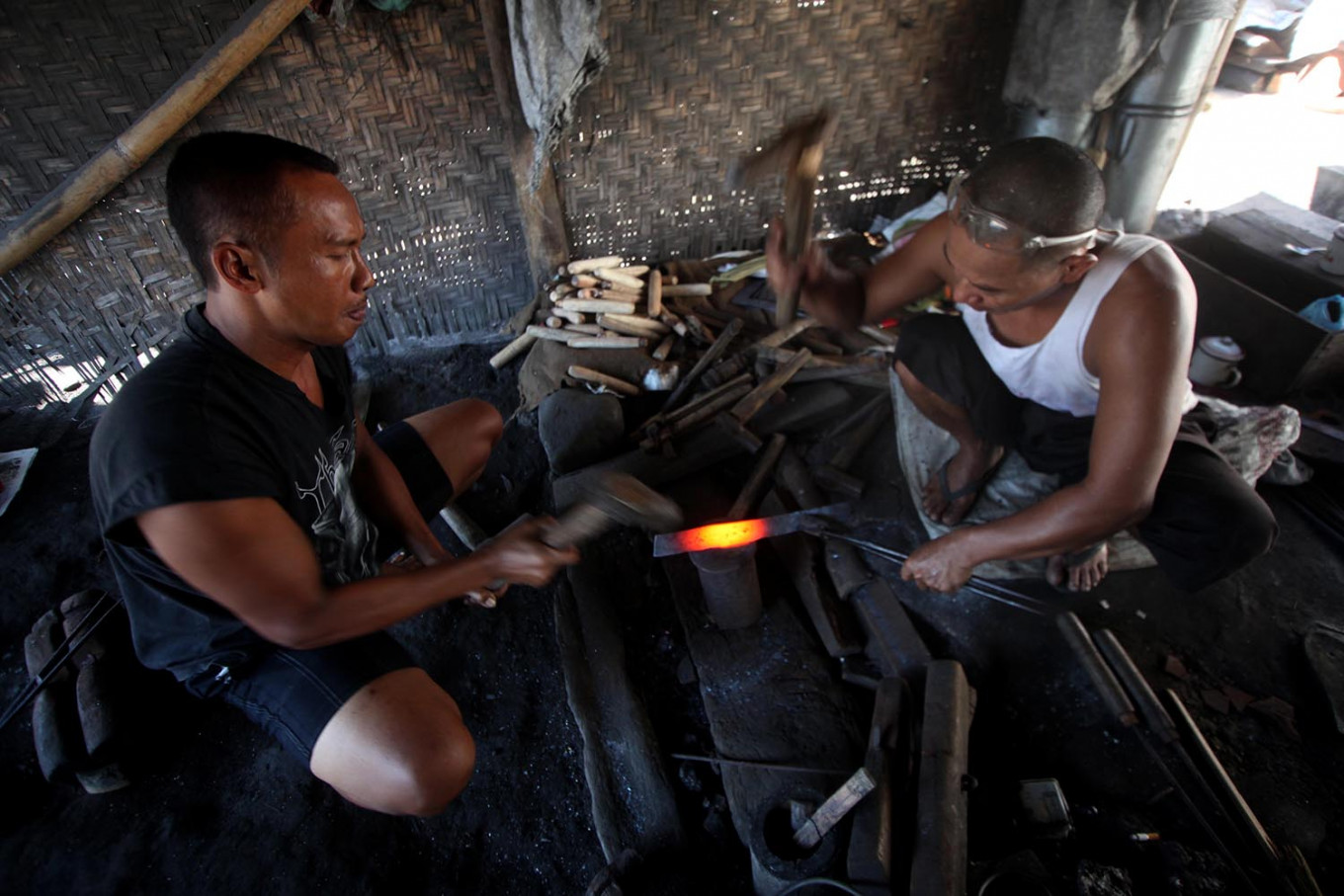
    A knife blade is hammered into shape. JP/Boy T. Harjanto

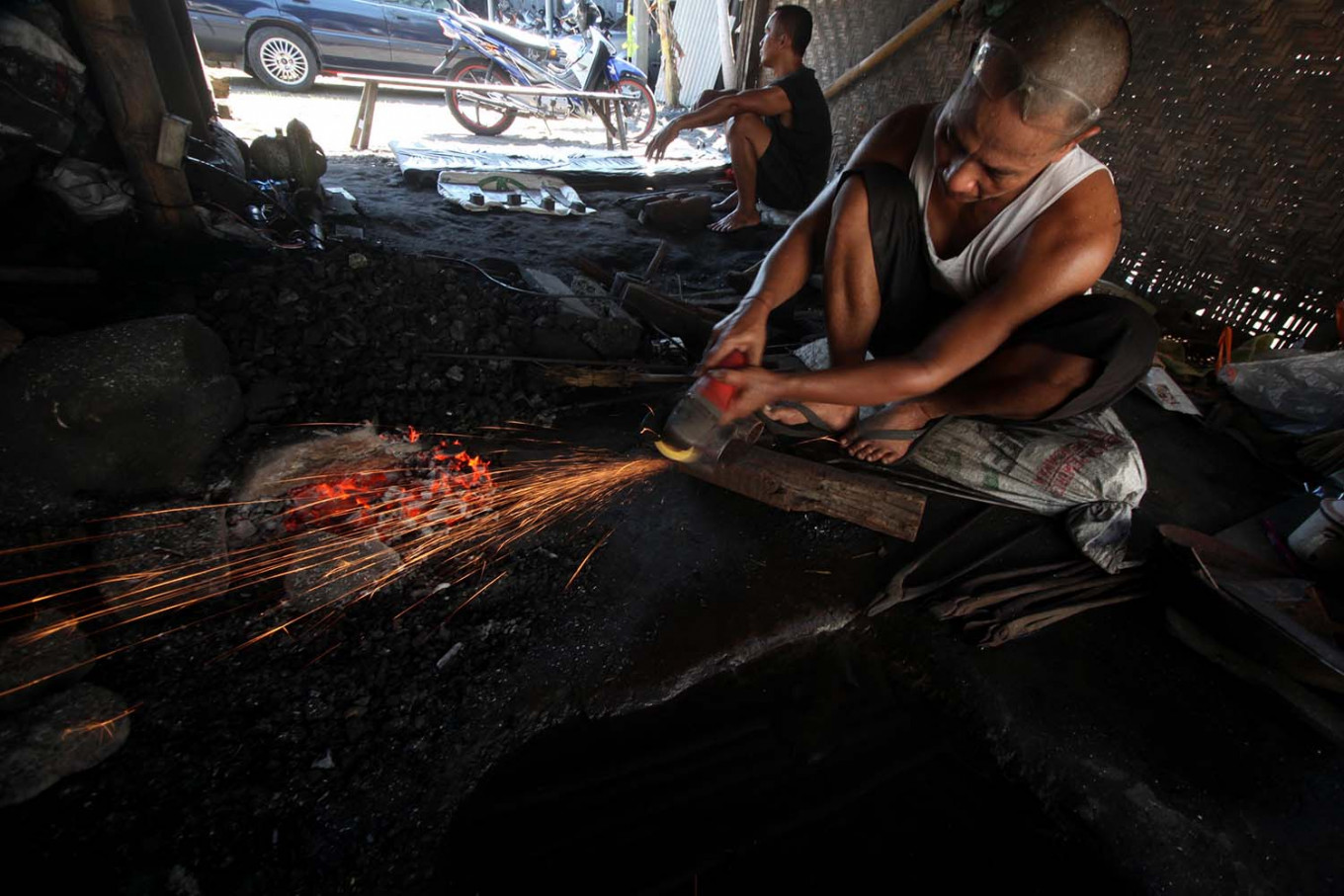
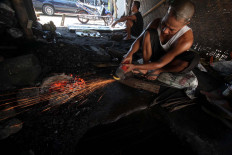
  • "> + See SlideShow A blade is sharpened on a grinder. JP/Boy T. Harjanto
  • /

    A blade is sharpened on a grinder. JP/Boy T. Harjanto

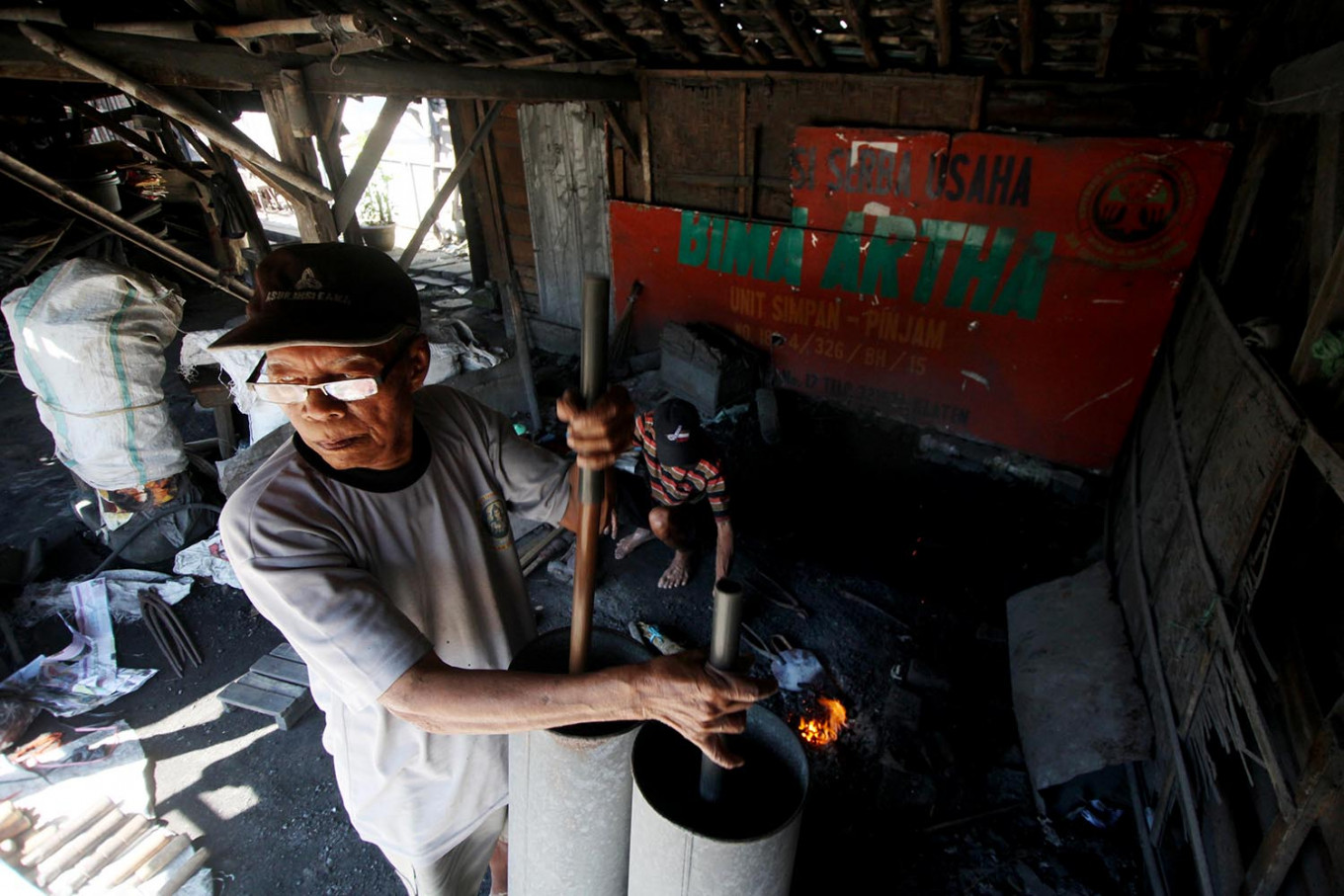
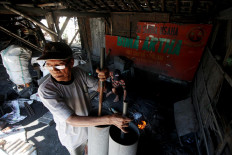
  • "> + See SlideShow Traditional pumps are used in the ignition process. JP/Boy T. Harjanto
  • /

    Traditional pumps are used in the ignition process. JP/Boy T. Harjanto

  • "> + See SlideShow The workshops also offer maintenance services for agricultural equipment. JP/Boy T. Harjanto
  • /

    The workshops also offer maintenance services for agricultural equipment. JP/Boy T. Harjanto

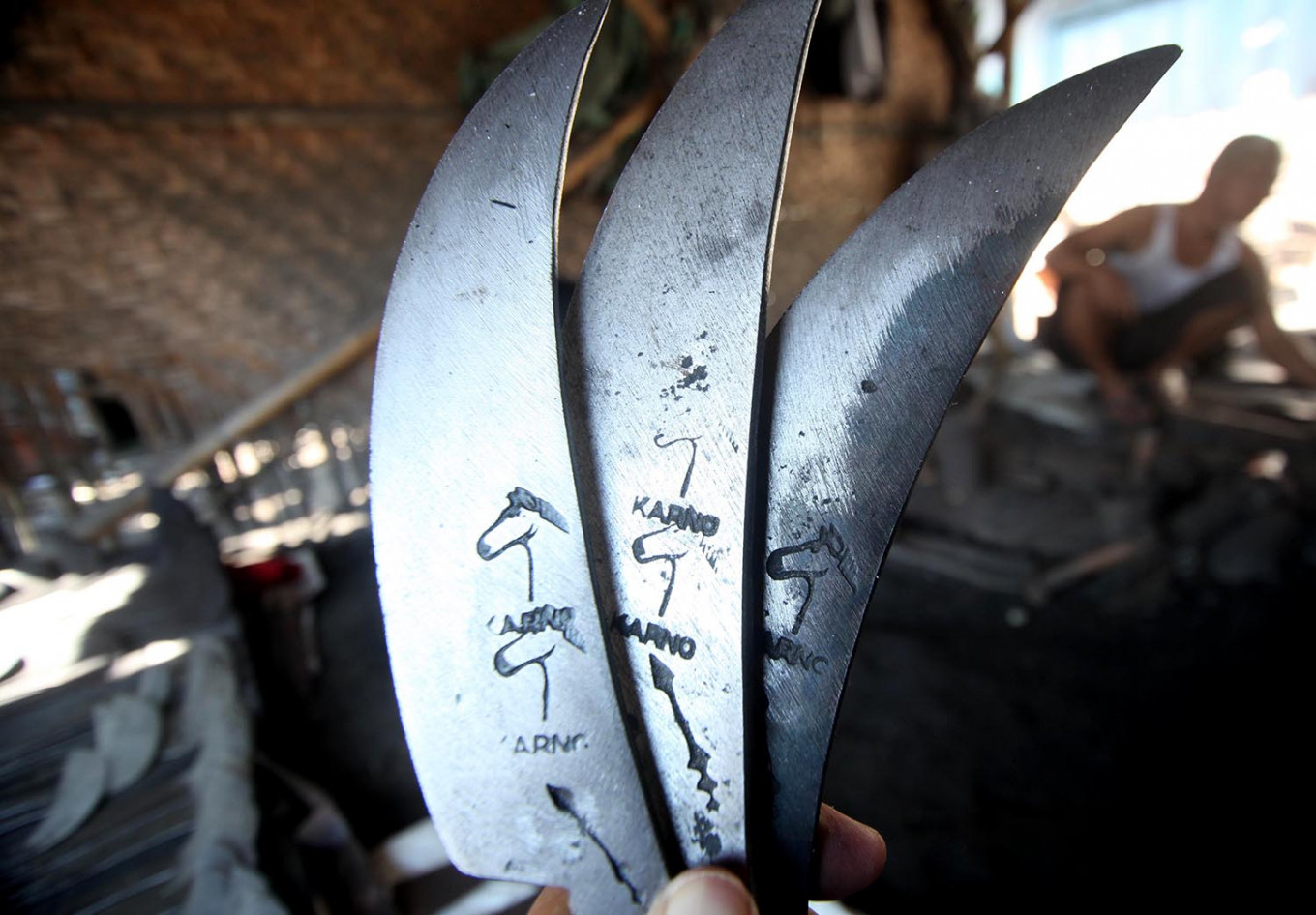
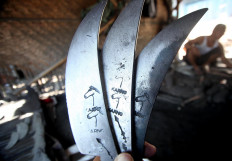
  • "> + See SlideShow The name of the founder Karno is stamped on the workshop's products. JP/Boy T. Harjanto
  • /

    The name of the founder Karno is stamped on the workshop's products. JP/Boy T. Harjanto

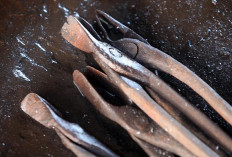
  • "> + See SlideShow Various tools needed by a blacksmith. JP/Boy T. Harjanto
  • /

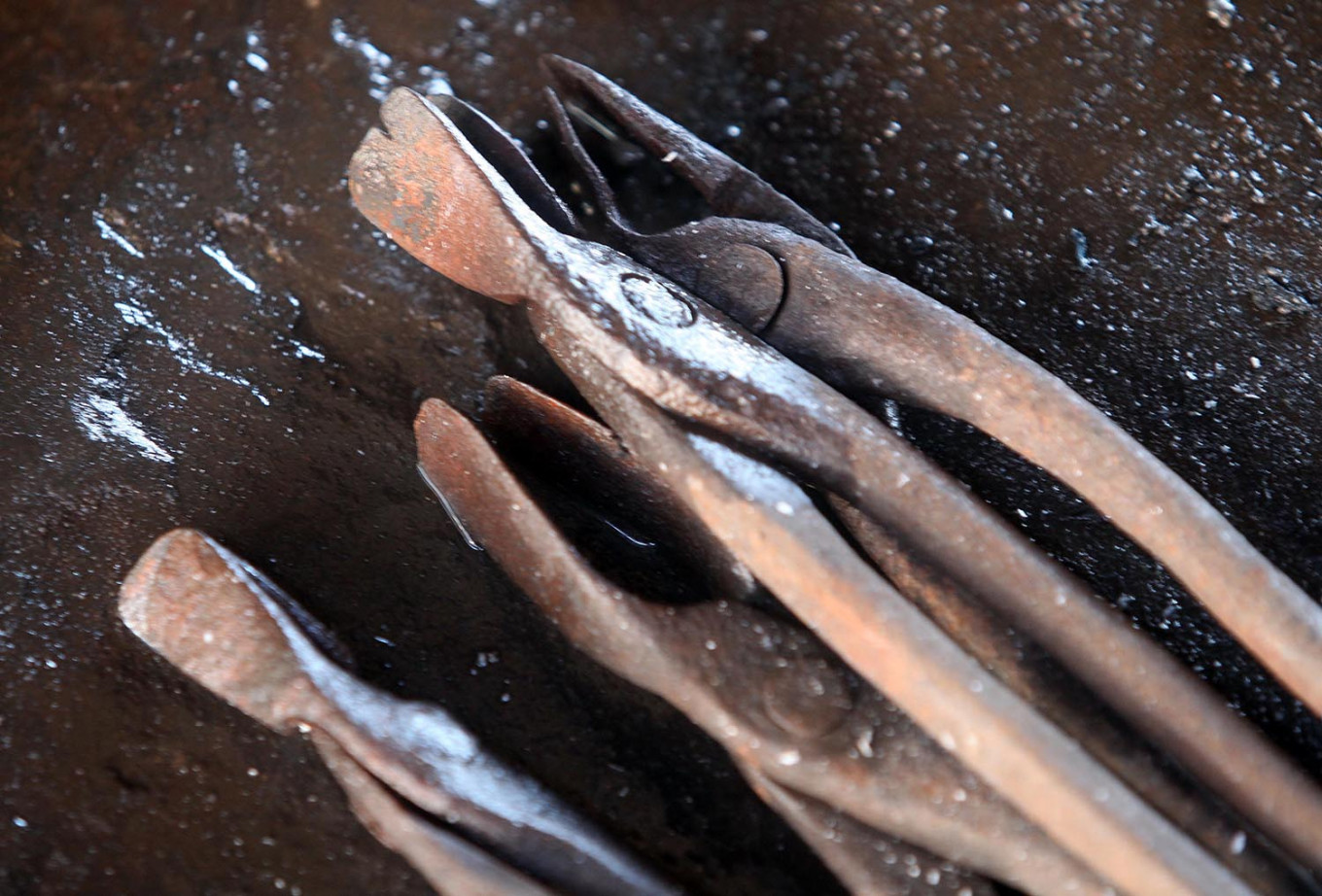
    Various tools needed by a blacksmith. JP/Boy T. Harjanto

    Boy T. Harjanto

    The heat from the afternoon sun halted my stroll through the crowd at the side of the highway connecting Yogyakarta and the city of Surakarta in Central Java.

    At a traditional market named Plumbon in Klaten merchants and shoppers could be seen engaging in transactions or simply browsing the displayed items.

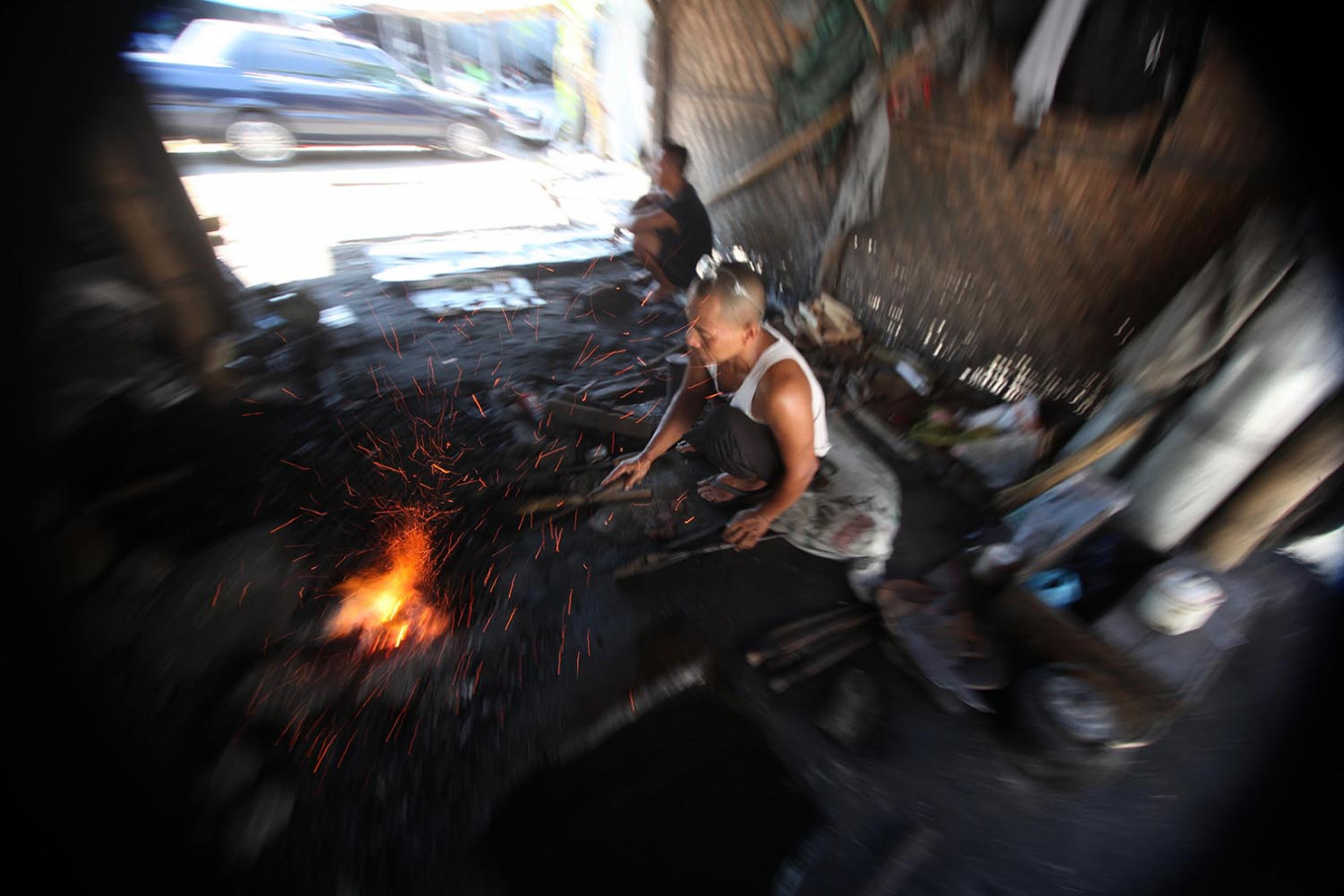
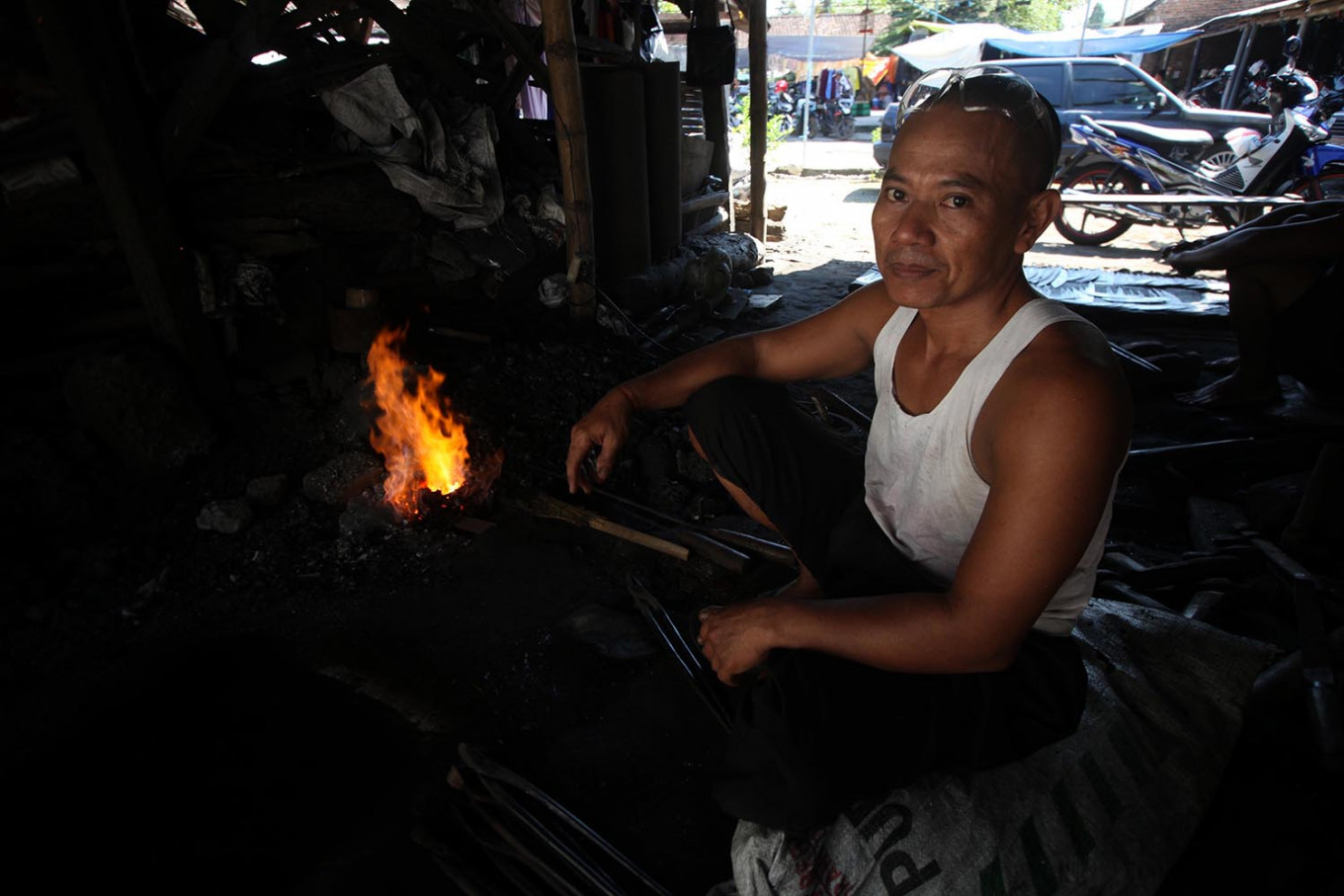
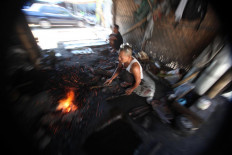
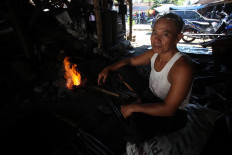
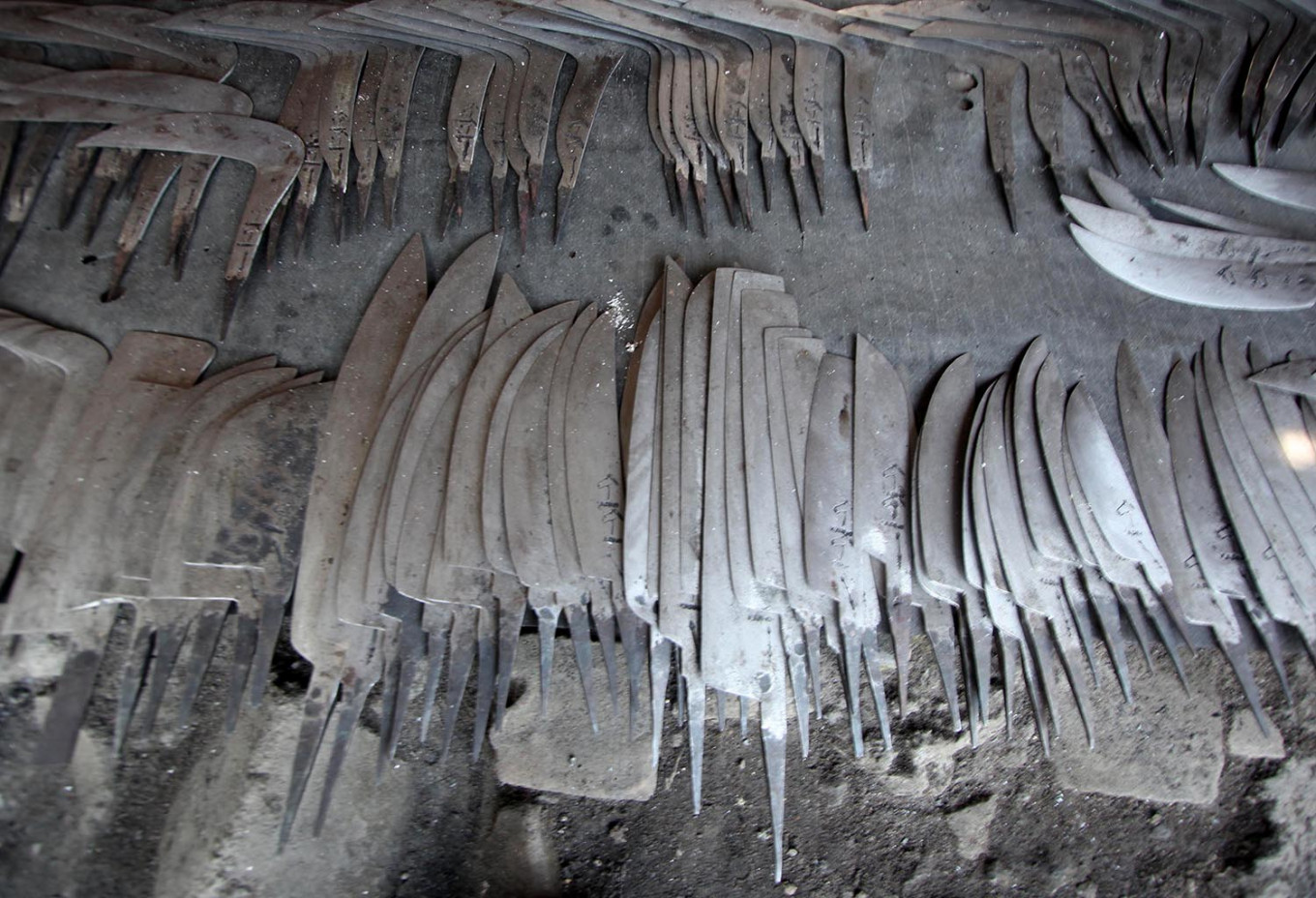
    At the east corner of the market were two forges in which the blacksmiths were noisily working on traditional agricultural and kitchen tools such as knives, axes, sickles and hoes amid the flames from the searing piles of charcoal.

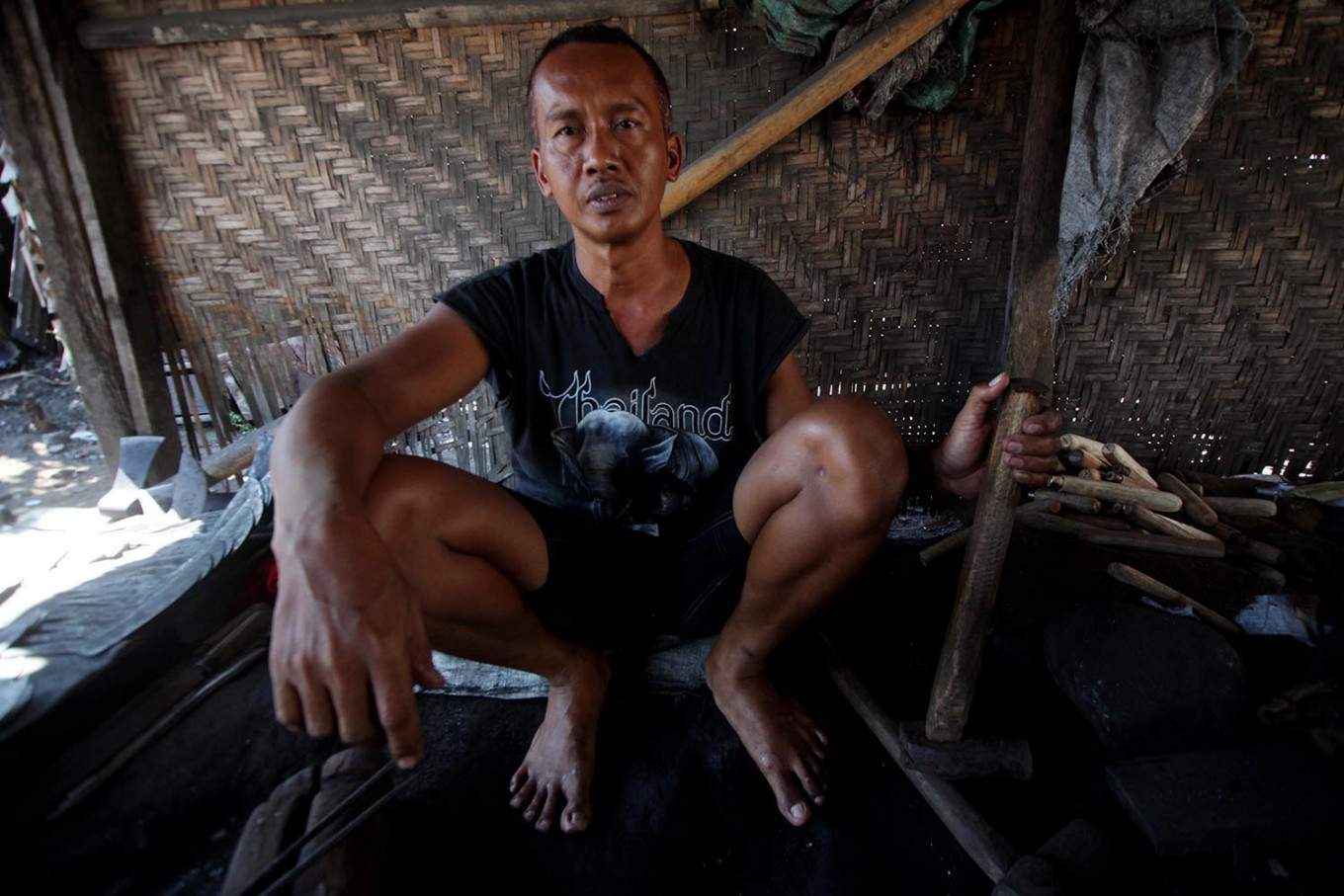
    One of the blacksmiths, Asmorojati, has been working there since 2005 after finishing vocational school, continuing the business started in 1968 by his father whose name, Karno, is still on the sign over the forge. [kes]

    Your Opinion Matters

    Share your experiences, suggestions, and any issues you've encountered on The Jakarta Post. We're here to listen.

    Enter at least 30 characters
    0 / 30

    Thank You

    Thank you for sharing your thoughts. We appreciate your feedback.