Can't find what you're looking for?
View all search resultsCan't find what you're looking for?

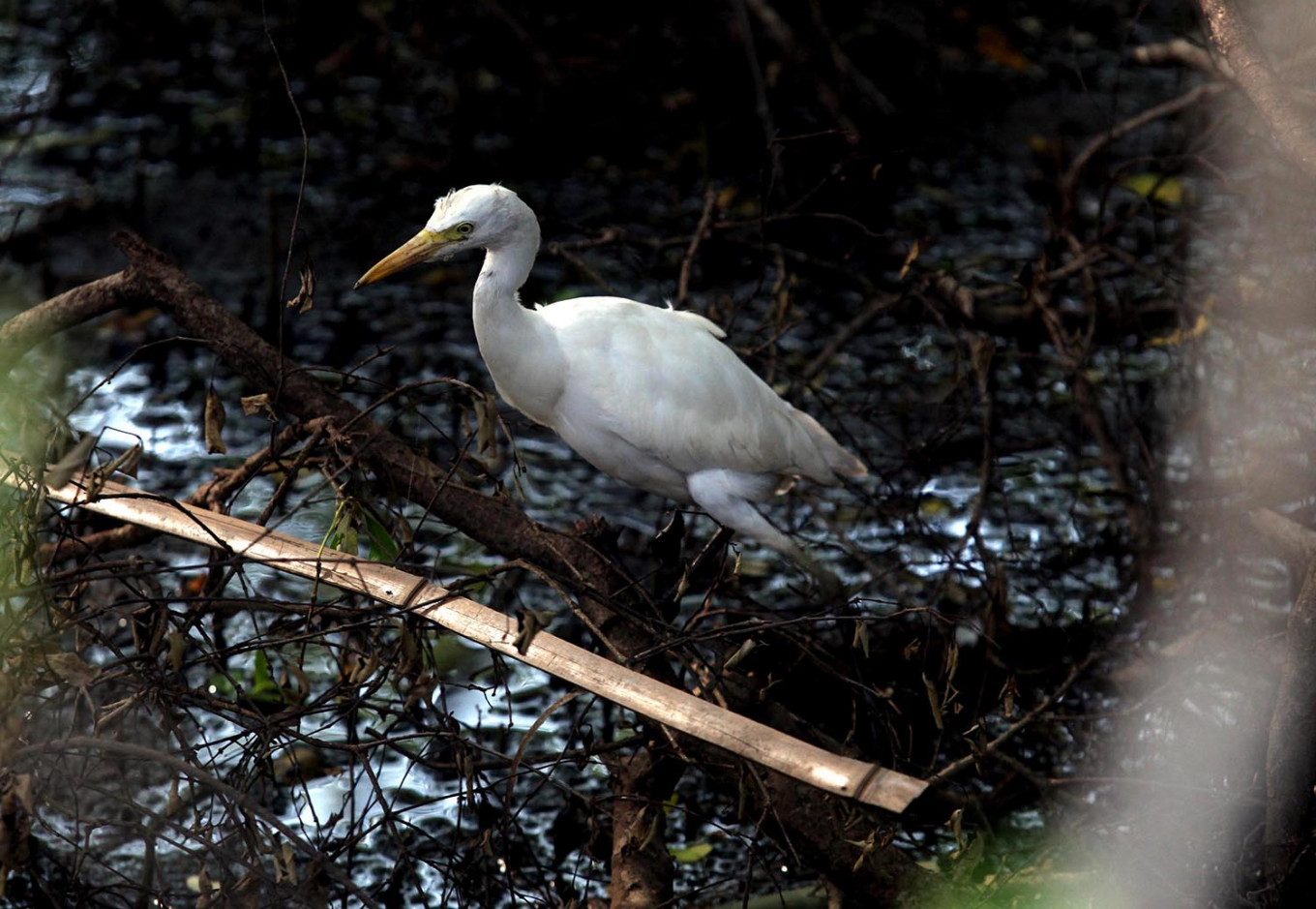
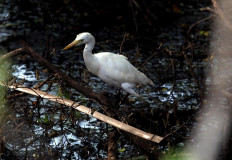
View all search resultsWhat's for lunch: A kuntul (egret) searches for food in the wild. JP Boy T Harjanto
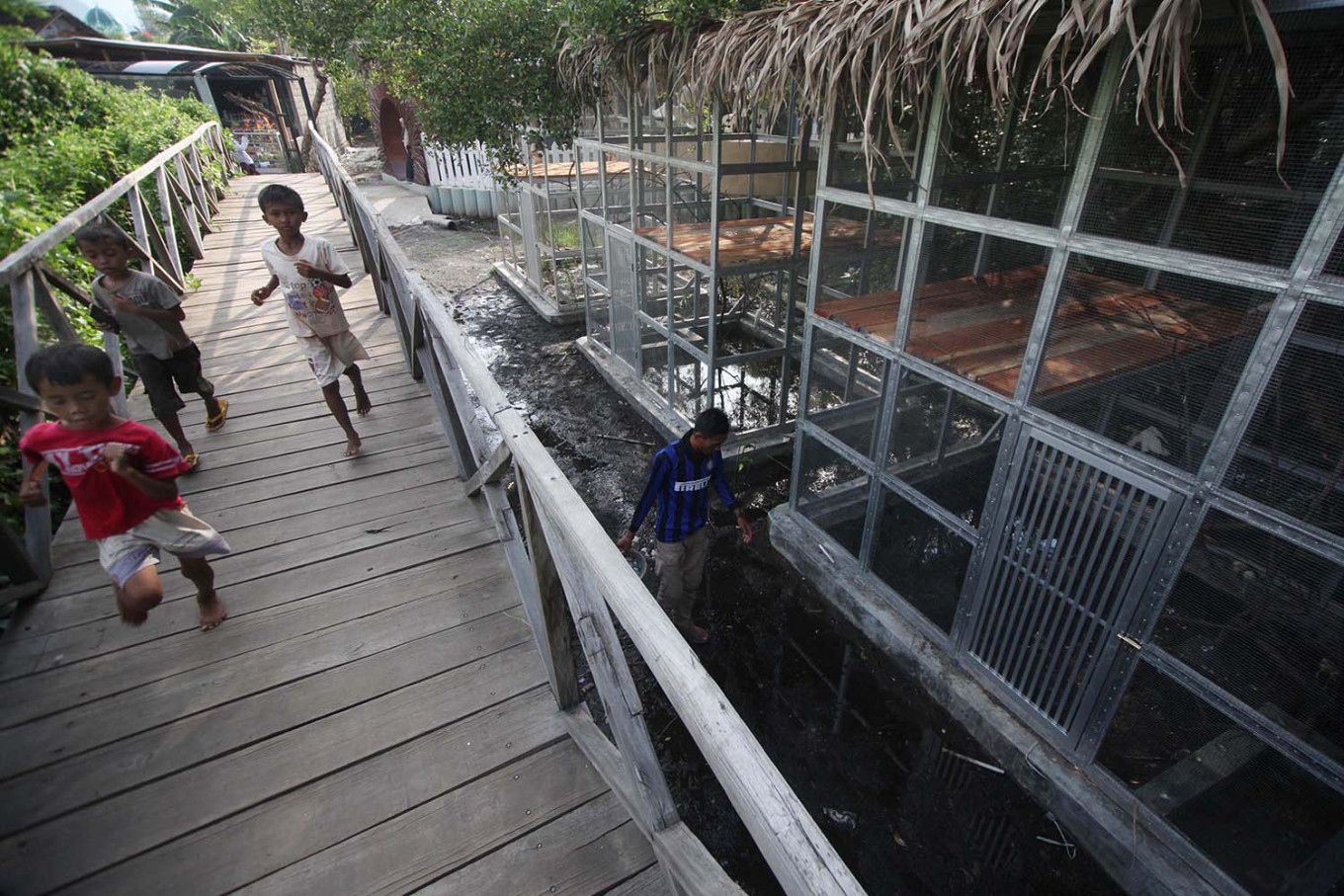
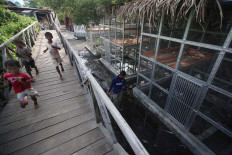
Into the wild: A visitor observes the habitat of herons against the background of Mount Putri. JP/Boy T Harjanto
Boy T Harjanto
The coastal village of Klatakan in Situbondo regency, East Java, is a perfect example of harmony between man and the environment. The villagers have achieved sustainability in their environment, which includes the nearby mangrove forest, a natural habitat for blekok (heron).
The forest, also known as Blekok village, is around 6.3 hectares in size and has an average density of 2,000 trees per ha, based on 2016 data.
Apart from blekok, other kinds of water birds also live in the forest, which was classified as a biological diversity conservation zone in a Situbondo regent regulation in 2017. The other water birds are cangak merah
(purple heron), kuntul besar (great white egret), kuntul kecil (little egret), kuntul kerbau (cattle egret), kowak malam abu (blackcrowned night heron), blekok sawah (pond heron), kokokan laut (green-backed heron), kareo padi (white-breasted water hen), gajahan pengala (curlew), trinil pantai (sandpiper) and cerek Jawa (Javan plover).
Three of these birds belong to the protected species category, namely the little egret, cattle egret and curlew.
The village is actively taking their part in water bird captive breeding and rehabilitation.
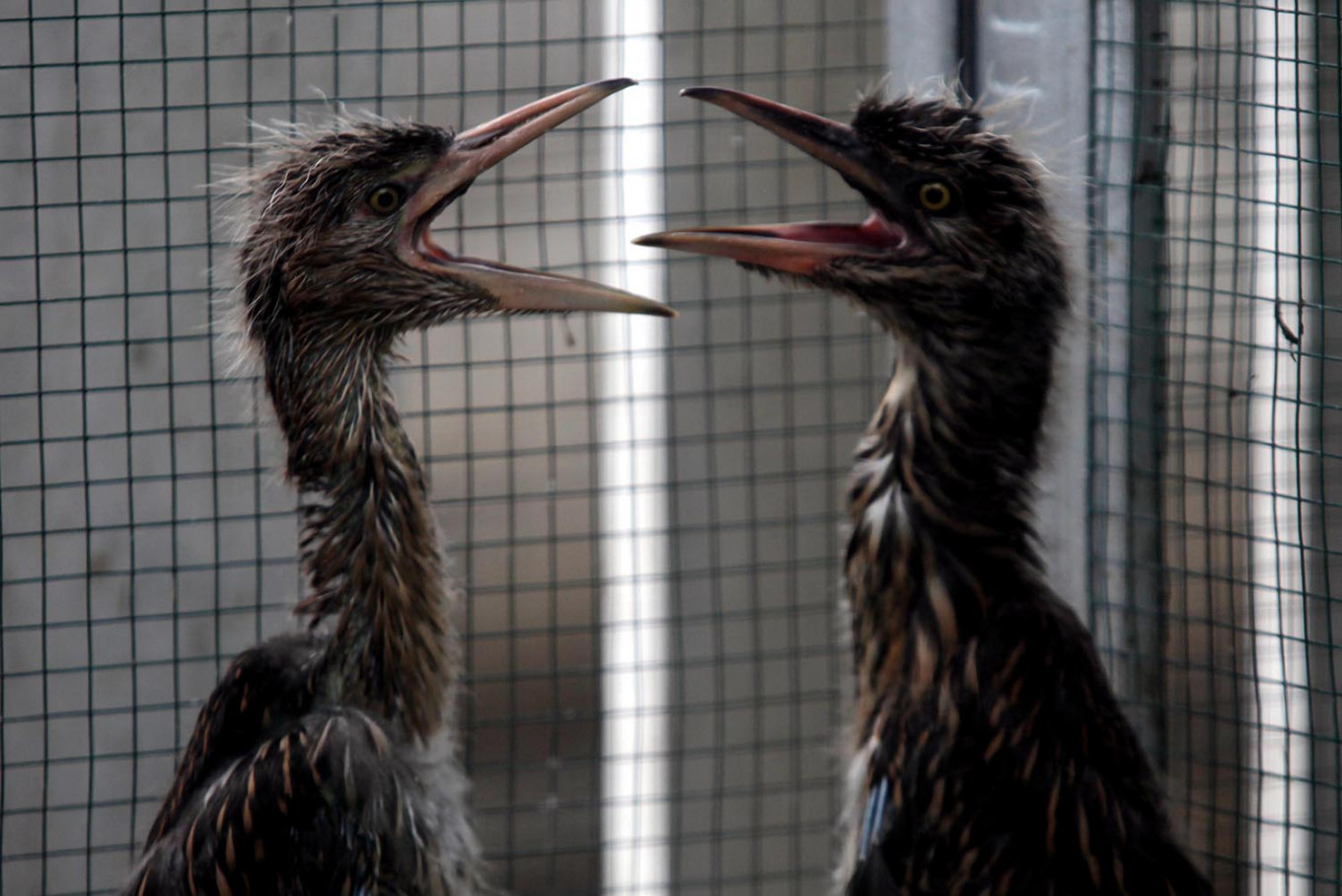
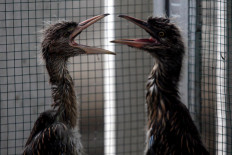
Young birds falling from trees and those still unable to fly are rehabilitated in quarantine by keeping them in cages with special treatment, intensive training and regular feeding before they are eventually released into their natural habitat.
Share your experiences, suggestions, and any issues you've encountered on The Jakarta Post. We're here to listen.
Thank you for sharing your thoughts. We appreciate your feedback.