TheJakartaPost
Please Update your browser
Your browser is out of date, and may not be compatible with our website. A list of the most popular web browsers can be found below.
Just click on the icons to get to the download page.


Popular Reads
Top Results
Can't find what you're looking for?
View all search results
Popular Reads
Top Results
Can't find what you're looking for?
View all search resultsRemembering Geger Sepehi (British invasion of Yogyakarta Palace)
-
/
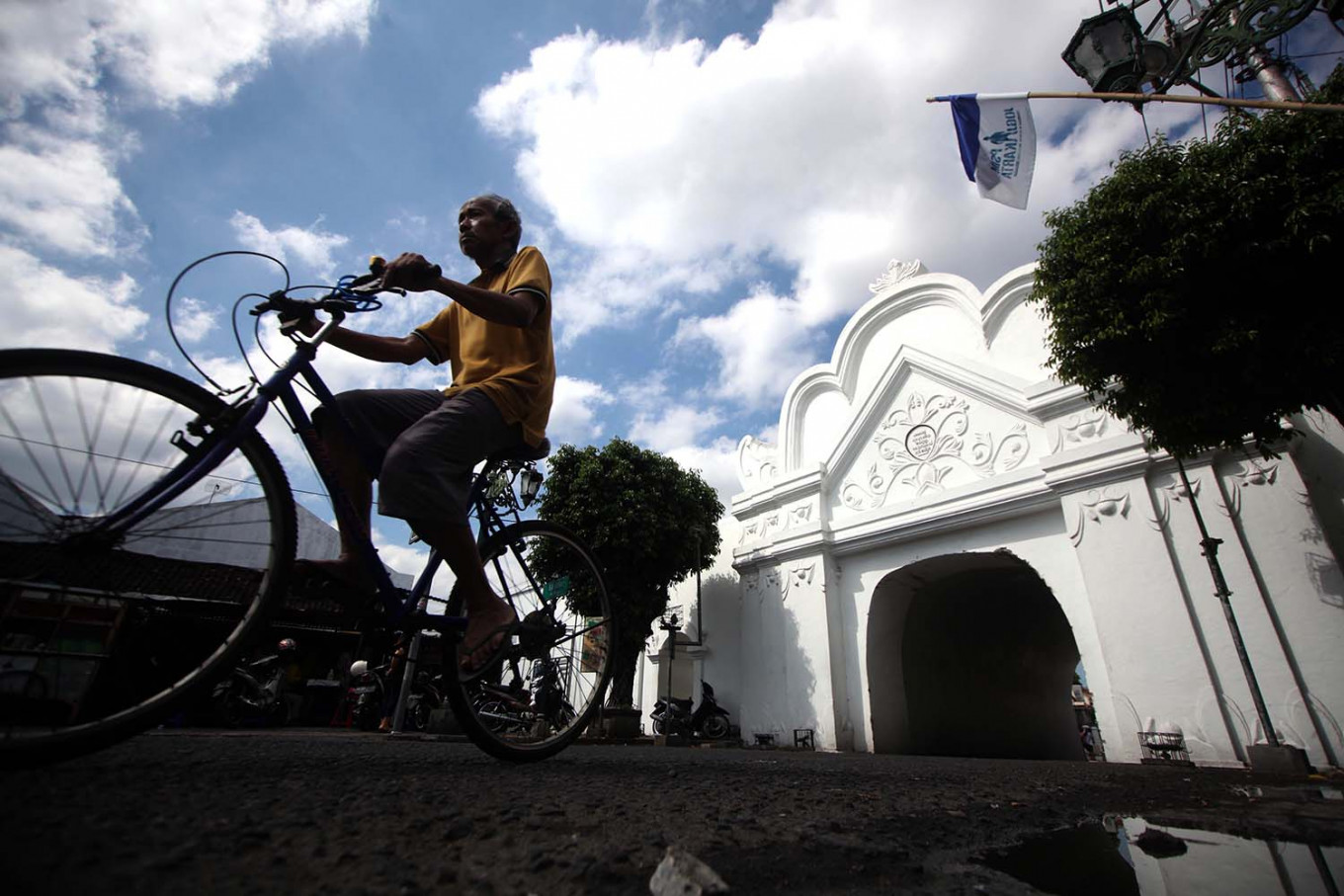
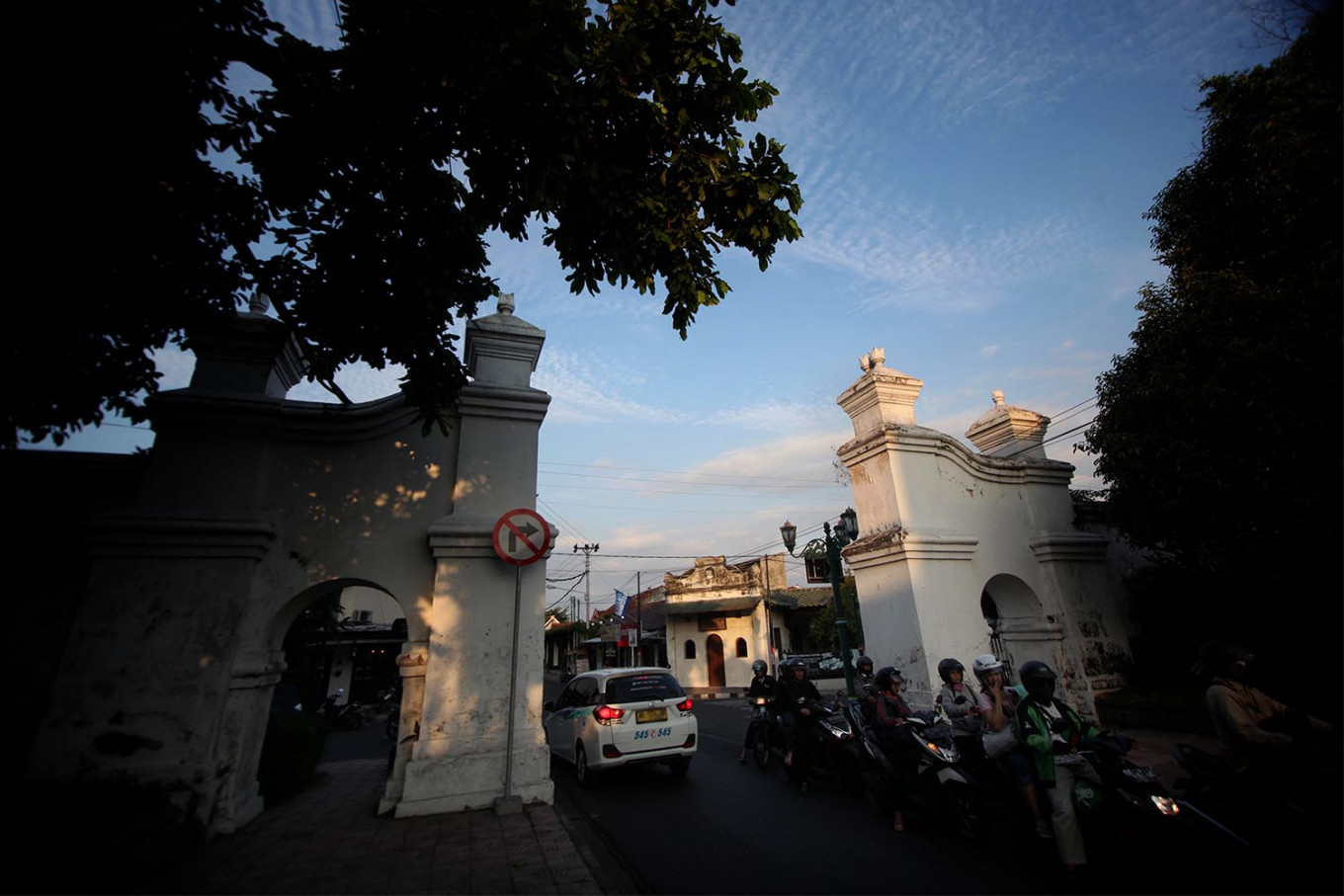
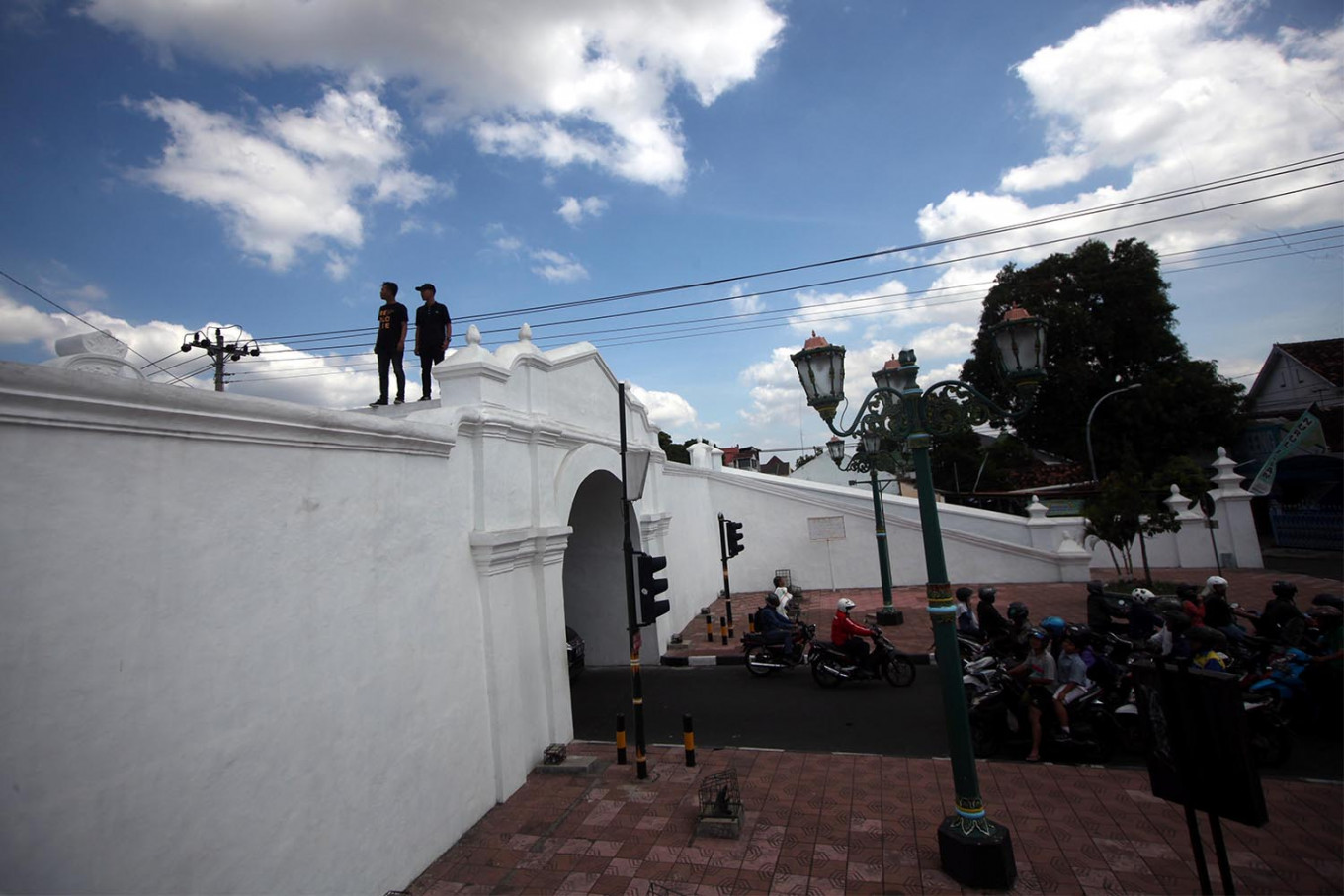
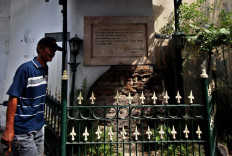
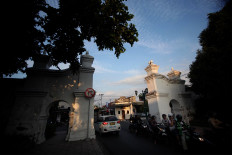
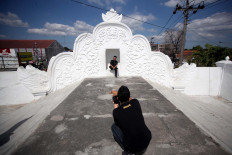
The Tarunasura Arch was the last defense line of the Yogyakarta Palace. JP/Boy T. Harjanto
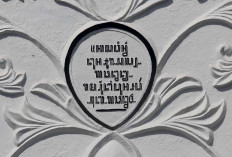
/Javanese script can be seen on the Wijilan Arch. JP/Boy T. Harjanto
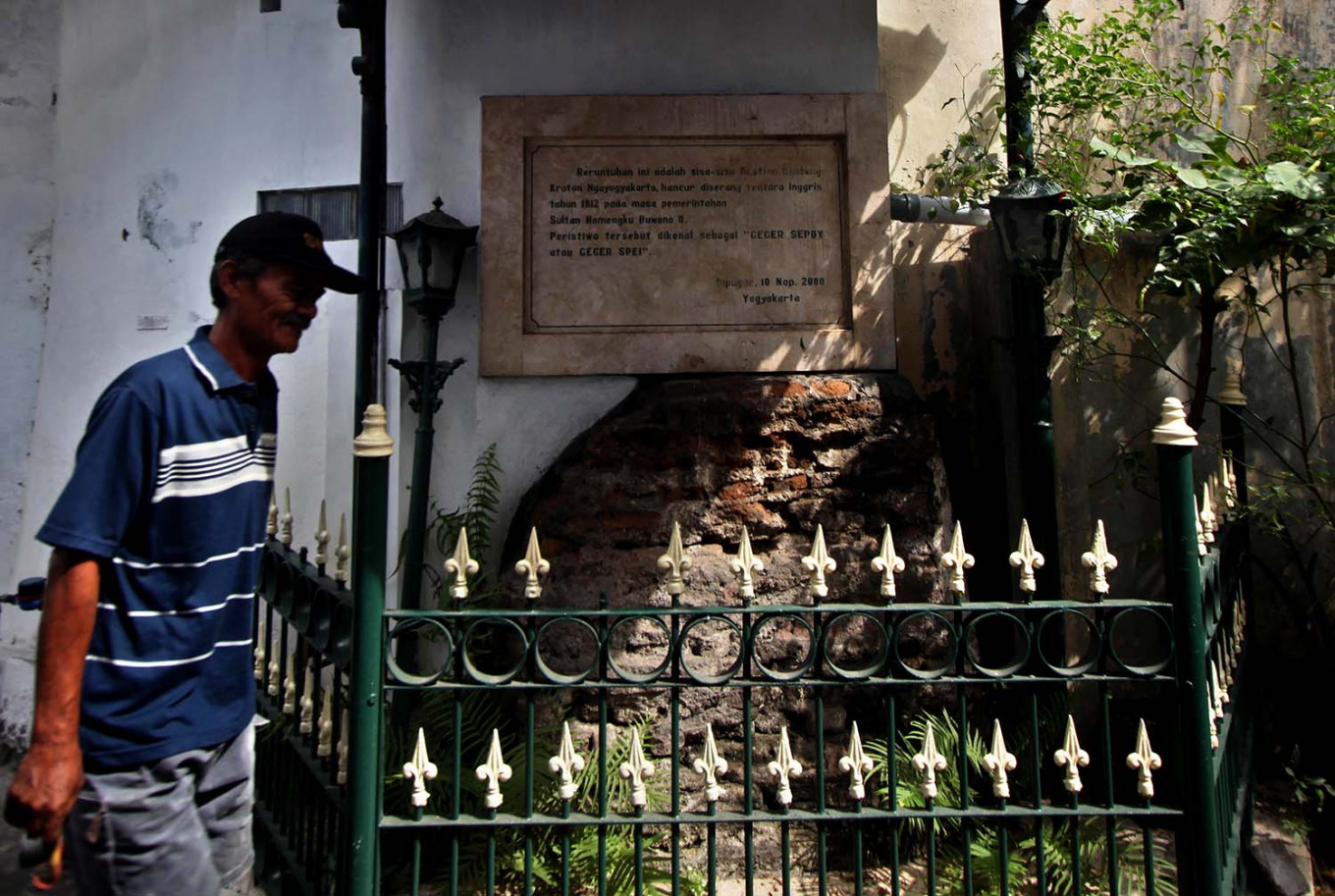
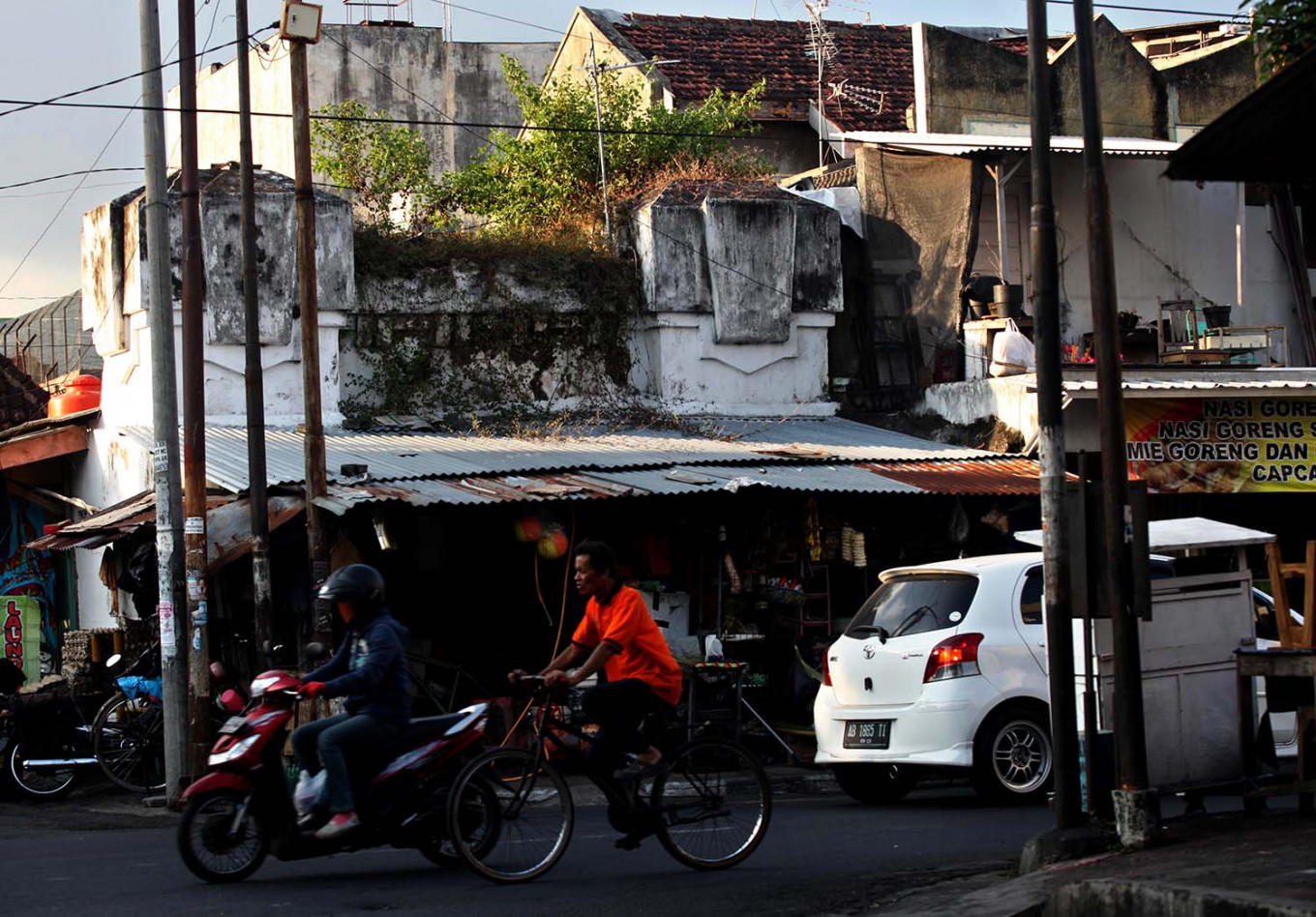
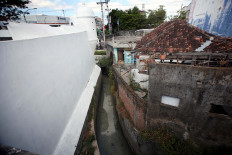
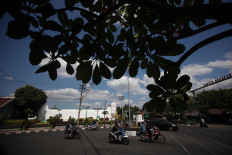
/A man passes the remnants of the northeast bastion, which was stormed by the British in 1812. JP/Boy T. Harjanto
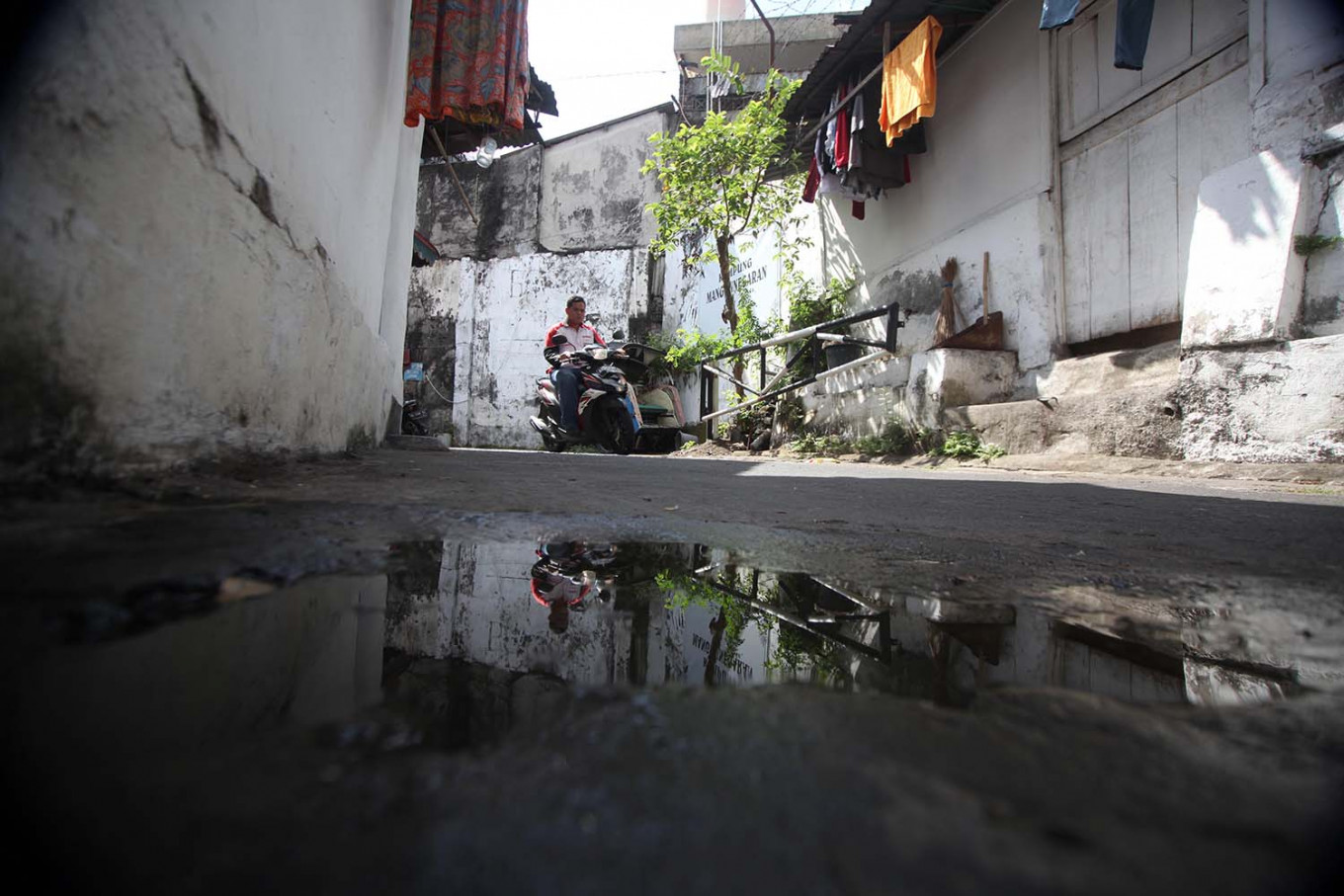
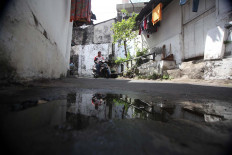
/The site of the northeast bastion has become a residential area. JP/Boy T. Harjanto
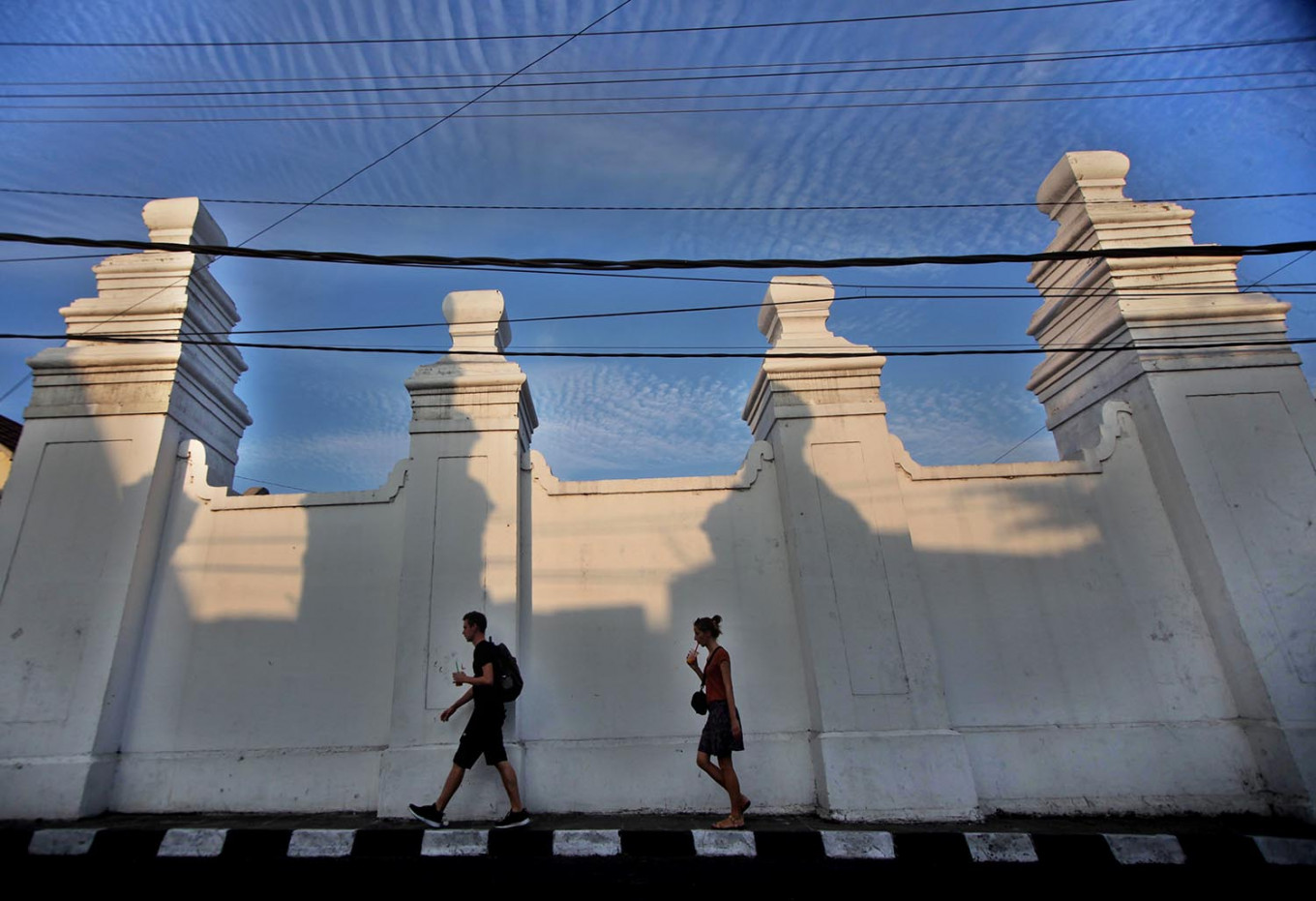
/Two foreign tourists walk past the Jagasura Arch. JP/Boy T. Harjanto
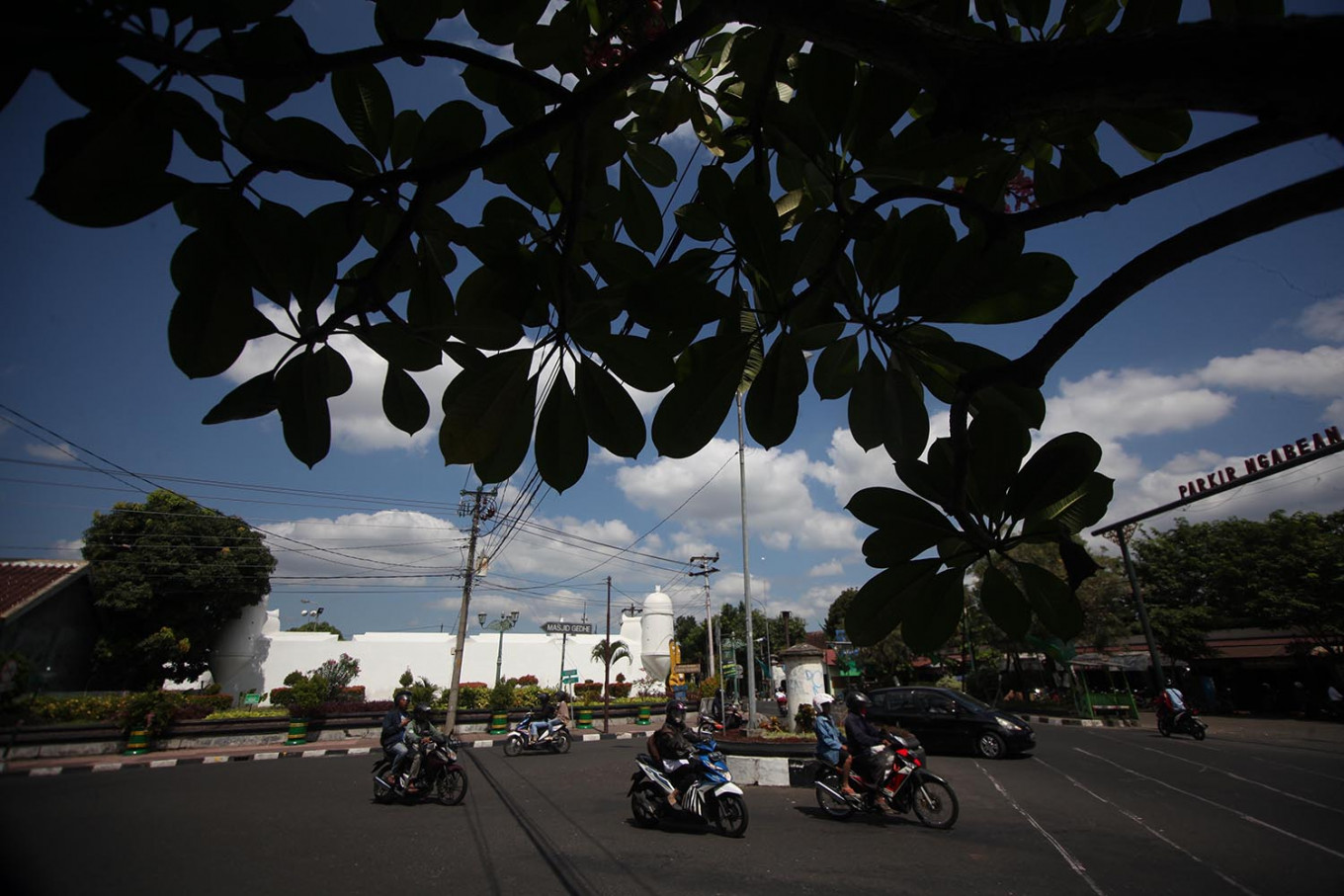
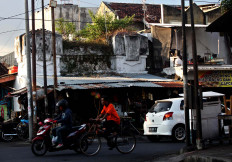
/The Madyasura Arch in the east side of Yogyakarta Palace is now marred by temporary food stalls. JP/Boy T. Harjanto
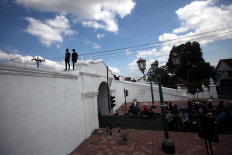
/The Jagabaya Arch at the Taman Sari crossing, located in the western part of the palace, was rebuilt without a top. JP/Boy T. Harjanto
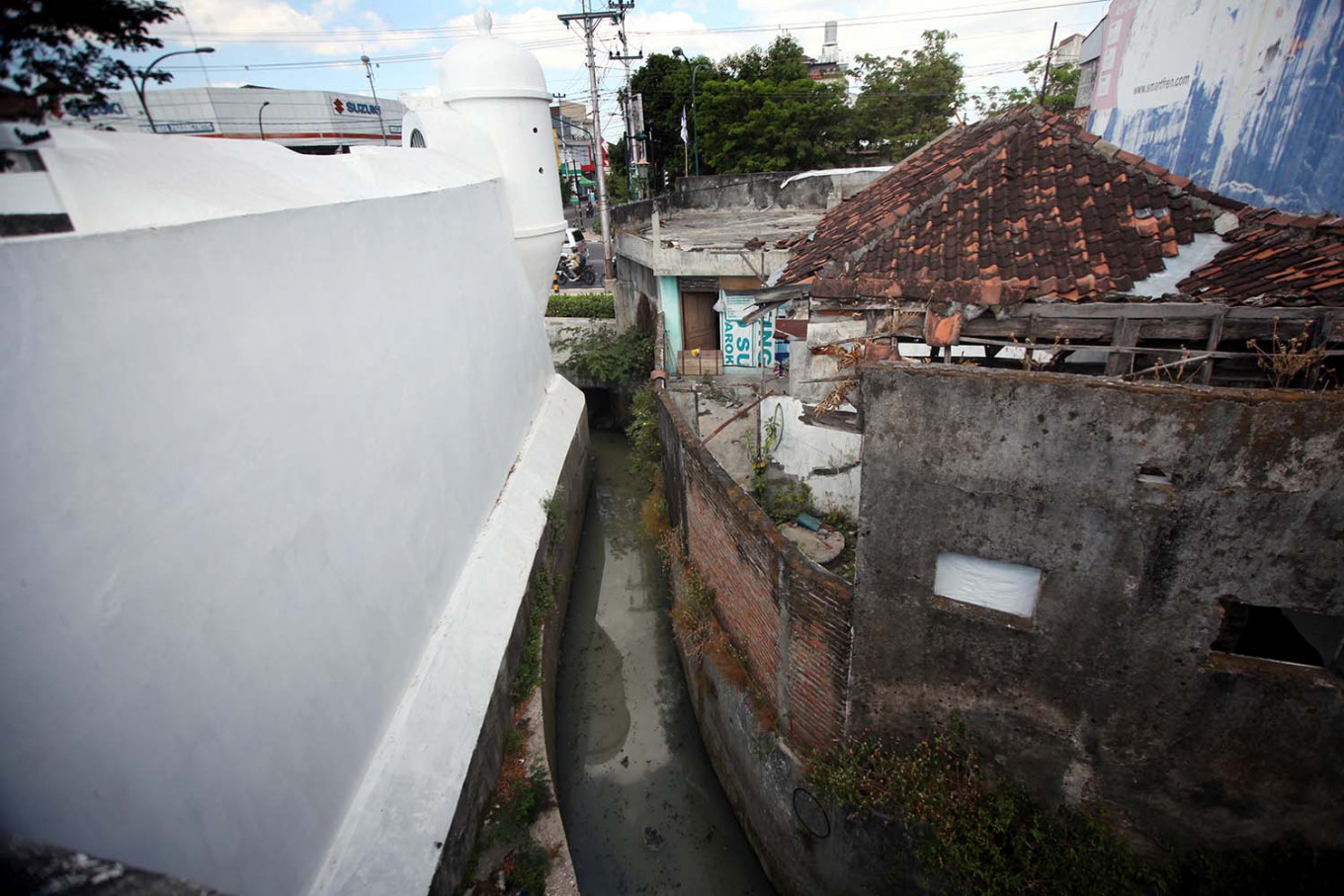
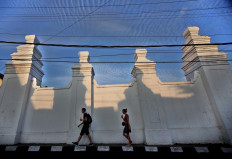
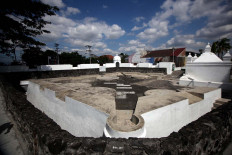
/The structure of the roof of the east bastion. JP/Boy T. Harjanto
/The moat encircling the fort still exists at the east bastion. JP/Boy T. Harjanto
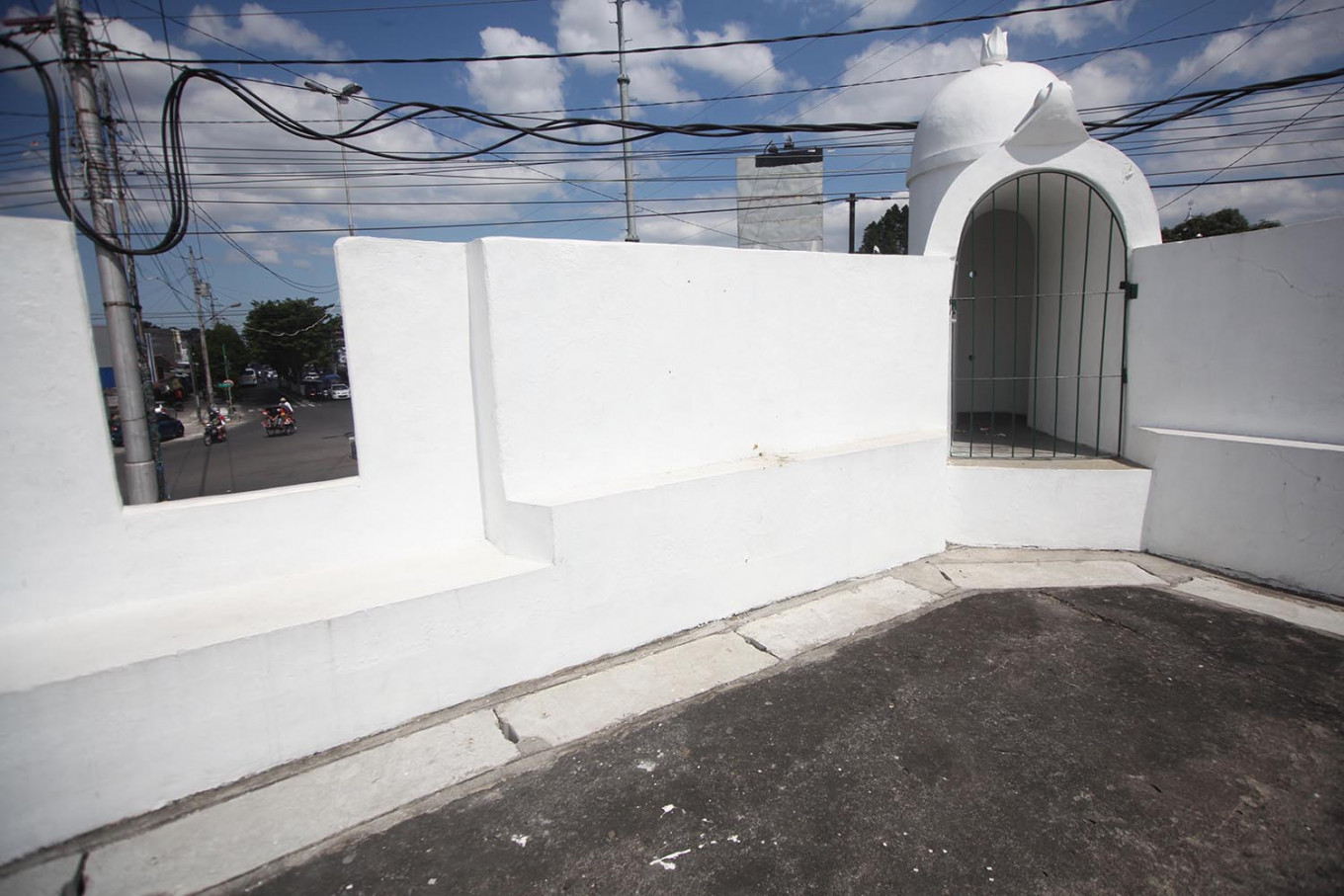
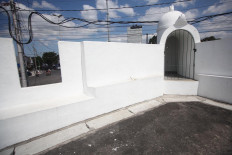
/The southwest bastion is equipped with a look-out post. JP/Boy T. Harjanto
/The northwest bastion still stands strong. JP/Boy T. Harjanto
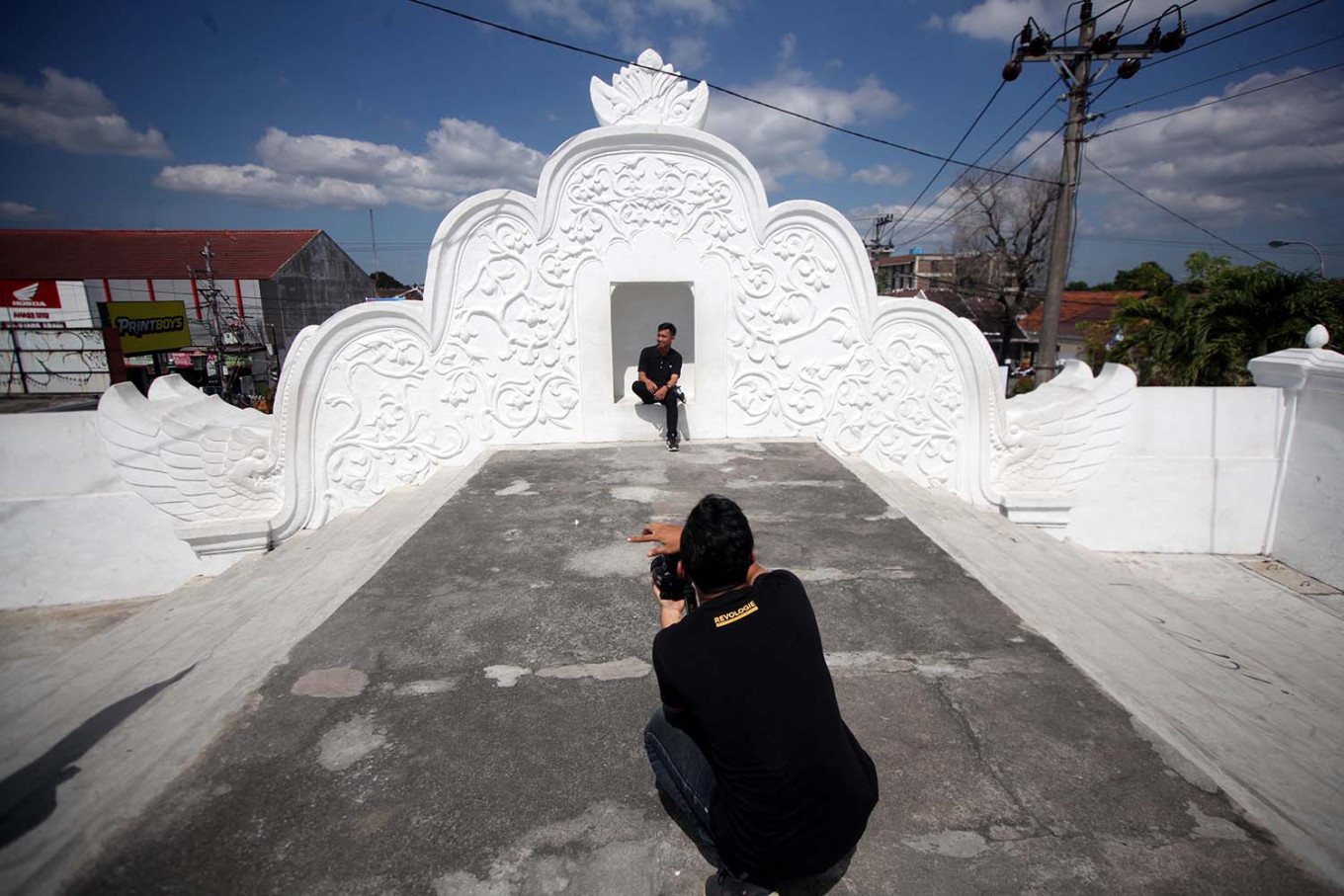
/A visitor poses for a picture at the arch’s top. JP/Boy T. Harjanto
/The Nirbaya or Gadhing Arch is seen from the south side of the palace. JP/Boy T. Harjanto
Boy T Harjanto
The points where British troops stormed the Yogyakarta Palace are still visible more than two centuries later.
On the night of June 13, 1812, around 1,000 British troops, half of them sepoys (Indian soldiers serving under British officers), attacked the Vrederburg Fort.
Thomas Stamford Raffles – who had been heavily involved in the conquest of Java from Dutch and French military forces during the Napoleonic Wars – arrived in Yogyakarta on June 17, 1812.
The next morning at 5 a.m., Prince Natakusuma – the brother of Yogyakarta ruler Sultan Hamengkubuwono II – and his family took refuge in the fort.
“The palace, the residence of Mataram [the older name of Yogyakarta] Sultan was surrounded with a wide ditch and thick walls with bastions in corners equipped with a total of 100 cannons,” wrote William Thorn in his book Memoir of the Conquest of Java on the situation in Yogyakarta Palace on June 19 and 20, 1812.
British officer Col. James Watson had been appointed commander of the first battalion of his regiment in 1807 and served in India and Batavia (now Jakarta).
The British troops under Watson’s command moved forward to the northeast bastion where they blew up the arsenal. The attack caused great damage to the fort and left only three bastions standing: the East, West and North bastions.
The Tarunasura/Pancasura Arch, the main gate, now known as Wijilan, was attacked by Lt. Col. Alexander MacLeod and his sepoy troops. Thorn wrote that MacLeod ordered his troops to climb the wall and blow up the gate.
The British troops finally entered the Nirbaya and Jagabaya Arches whereupon the sultan’s family took refuge in a mosque outside the Baluwarti – the eastern wall of the Palace – which according to Thorn was the Kauman Grand Mosque.
On June 20, 1812, Sultan Hamengkubuwono II surrendered while dressed entirely in white. [yan]
Swipe Left or Right

You might also like
© 2016 - 2026 PT. Bina Media Tenggara











Your Opinion Matters
Share your experiences, suggestions, and any issues you've encountered on The Jakarta Post. We're here to listen.
Thank You
Thank you for sharing your thoughts. We appreciate your feedback.