double-skinned crabsVietnamese crab exporterexellent crab

TheJakartaPost

Please Update your browser

Your browser is out of date, and may not be compatible with our website. A list of the most popular web browsers can be found below.
Just click on the icons to get to the download page.


Jakarta Post

'Nyadran' in Klaten: Pre-Ramadan Javanese ritual held among temple ruins

Mon, May 6, 2019   /   11:56 am
/

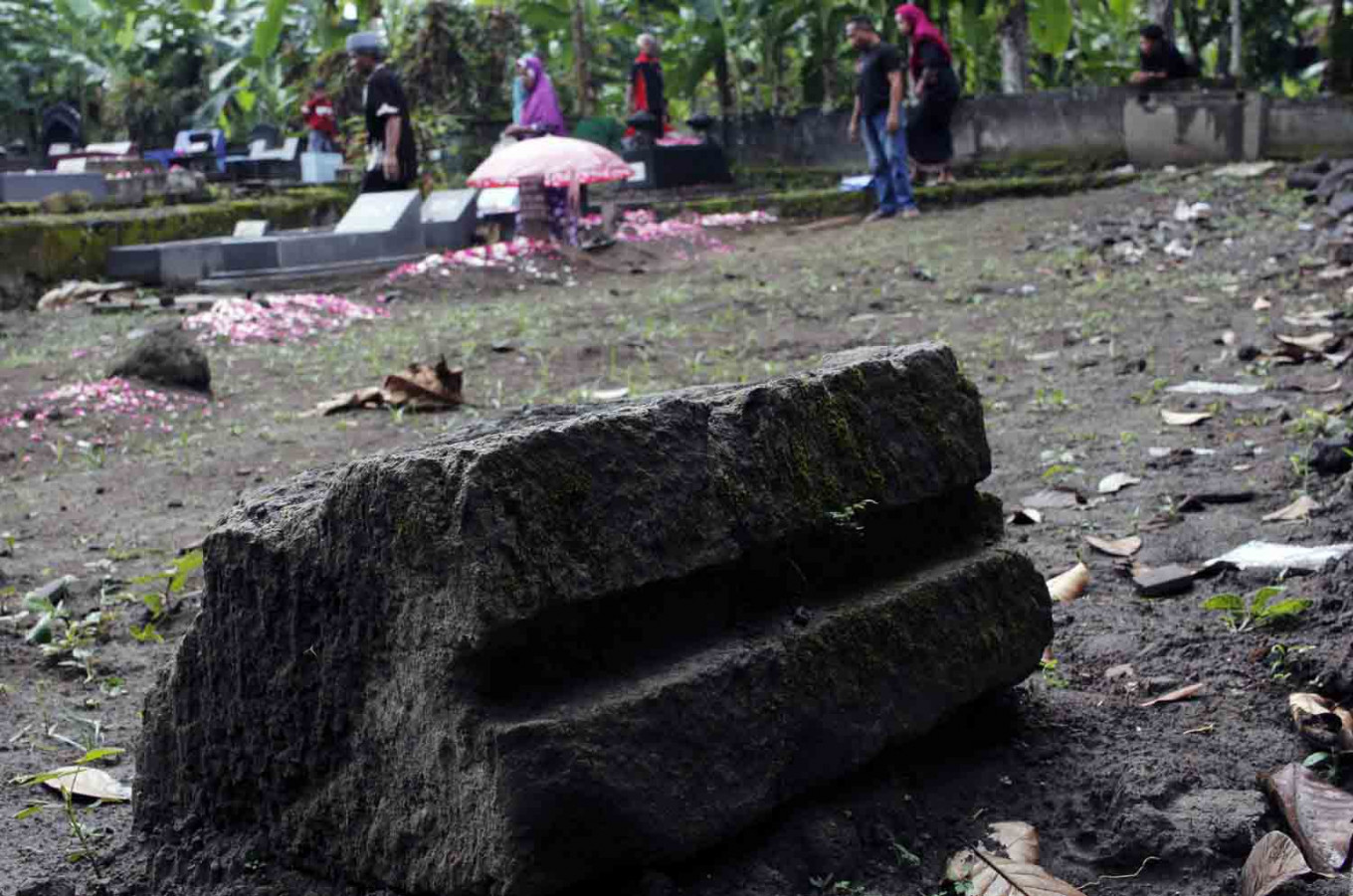
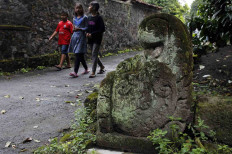
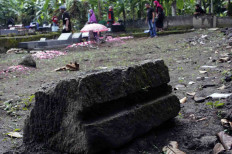
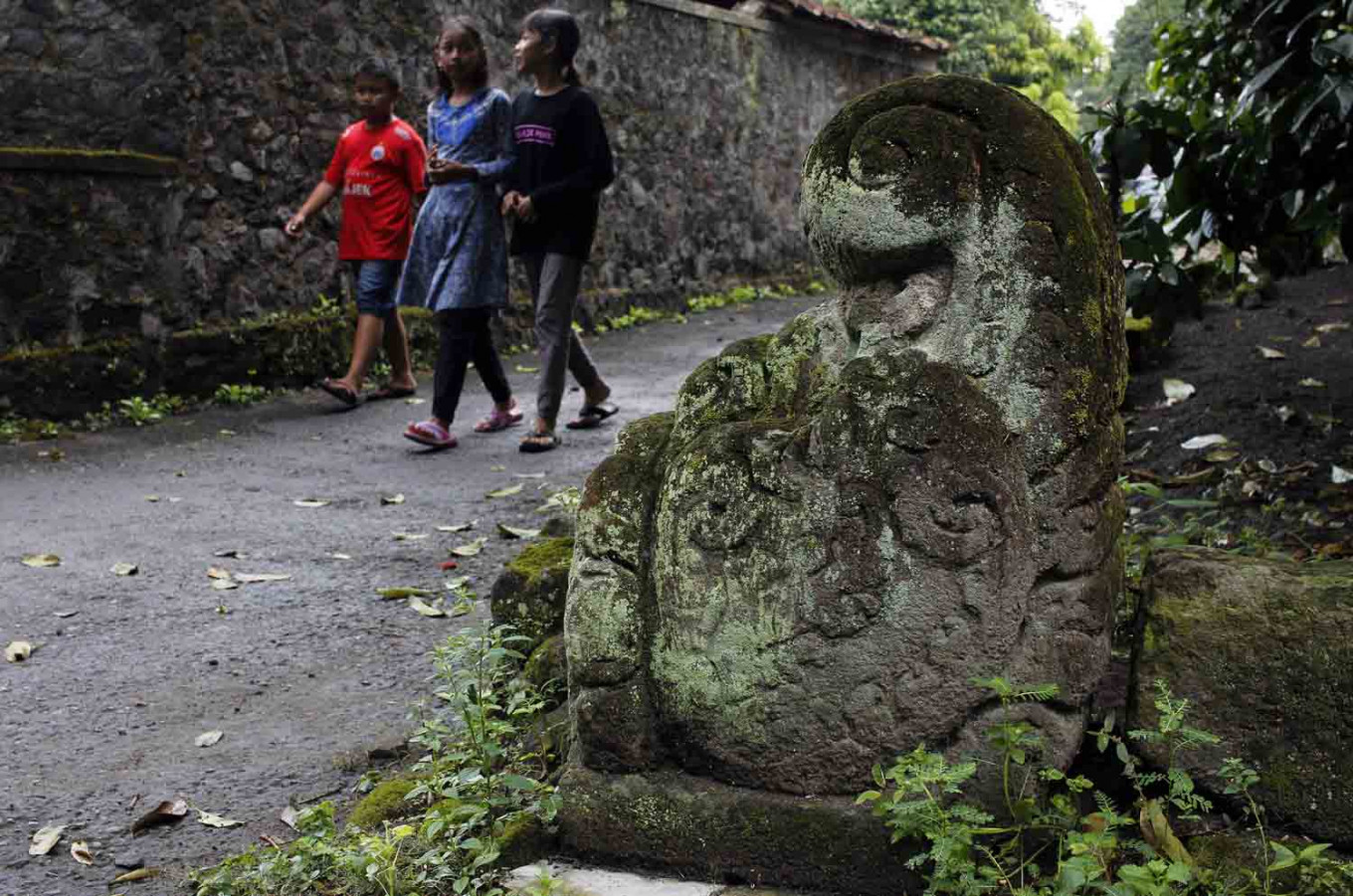
Krapyak Cemetery has remnants of unidentified ancient temples scattered around it. Every time villagers prepare a new tomb and dig, they encounter remnants of the past: interlocked temple stones. They also often find other artifacts like gold jewelry and water jugs. JP/Magnus Hendratmo

  • "> + See SlideShow A man prays at a grave during the nyadran ritual in Jogonalan, Klaten, Central Java on April 28. JP/Magnus Hendratmo
  • /

    A man prays at a grave during the nyadran ritual in Jogonalan, Klaten, Central Java on April 28. JP/Magnus Hendratmo

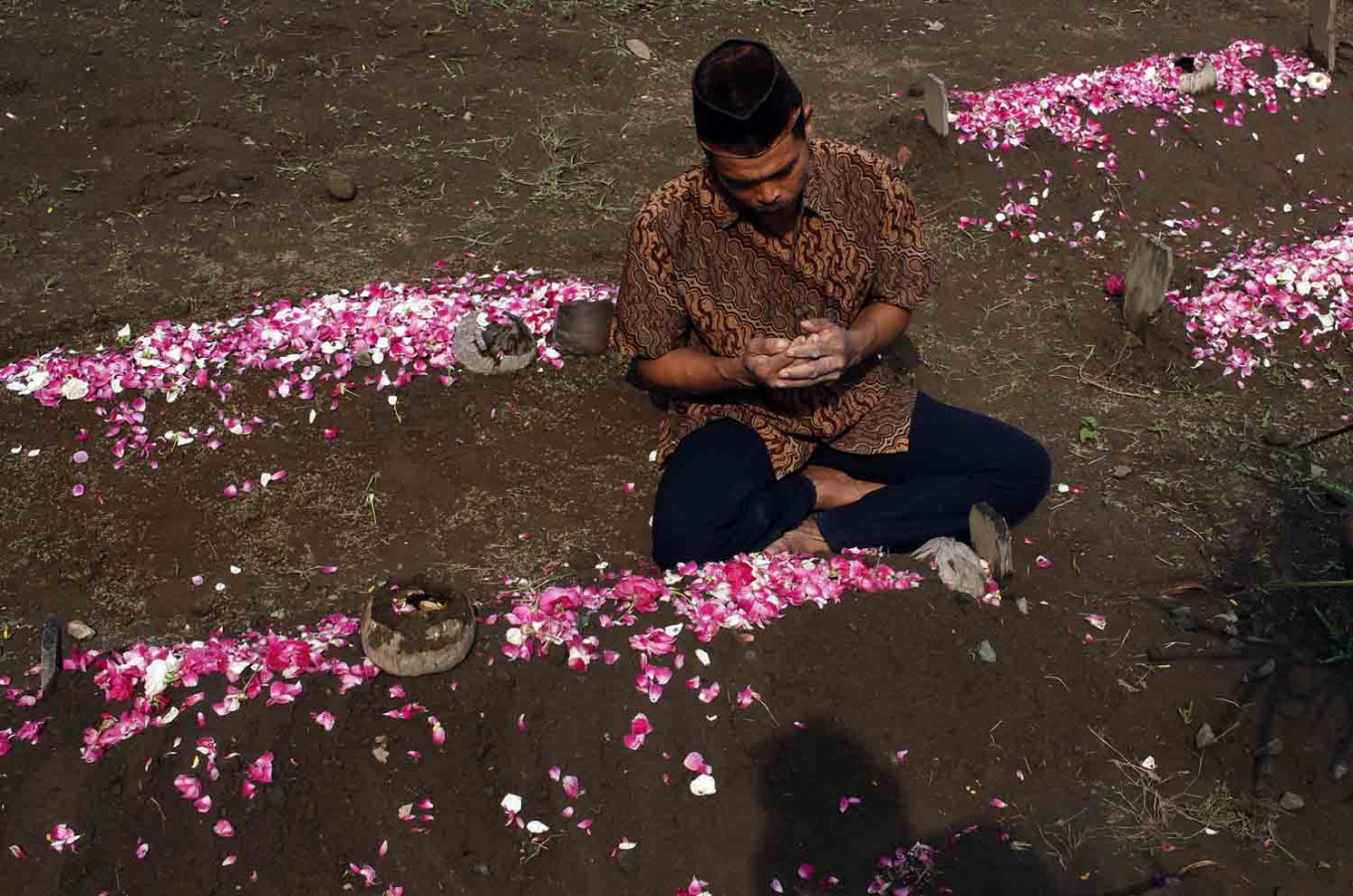
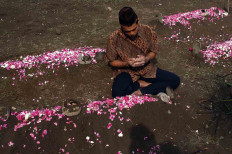
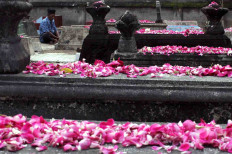
  • "> + See SlideShow A man prays among graves covered in fresh flower petals during the nyadran ritual in Krapyak in Jogonalan district, Klaten, Central Java. JP/Magnus Hendratmo
  • /

    A man prays among graves covered in fresh flower petals during the nyadran ritual in Krapyak in Jogonalan district, Klaten, Central Java. JP/Magnus Hendratmo

  • "> + See SlideShow Villagers pray at the graves of their ancestors in Krapyak cemetery, Jogonalan, Klaten in Central Java on Sunday, during the nyadran ritual. JP/Magnus Hendratmo
  • /

    Villagers pray at the graves of their ancestors in Krapyak cemetery, Jogonalan, Klaten in Central Java on Sunday, during the nyadran ritual. JP/Magnus Hendratmo

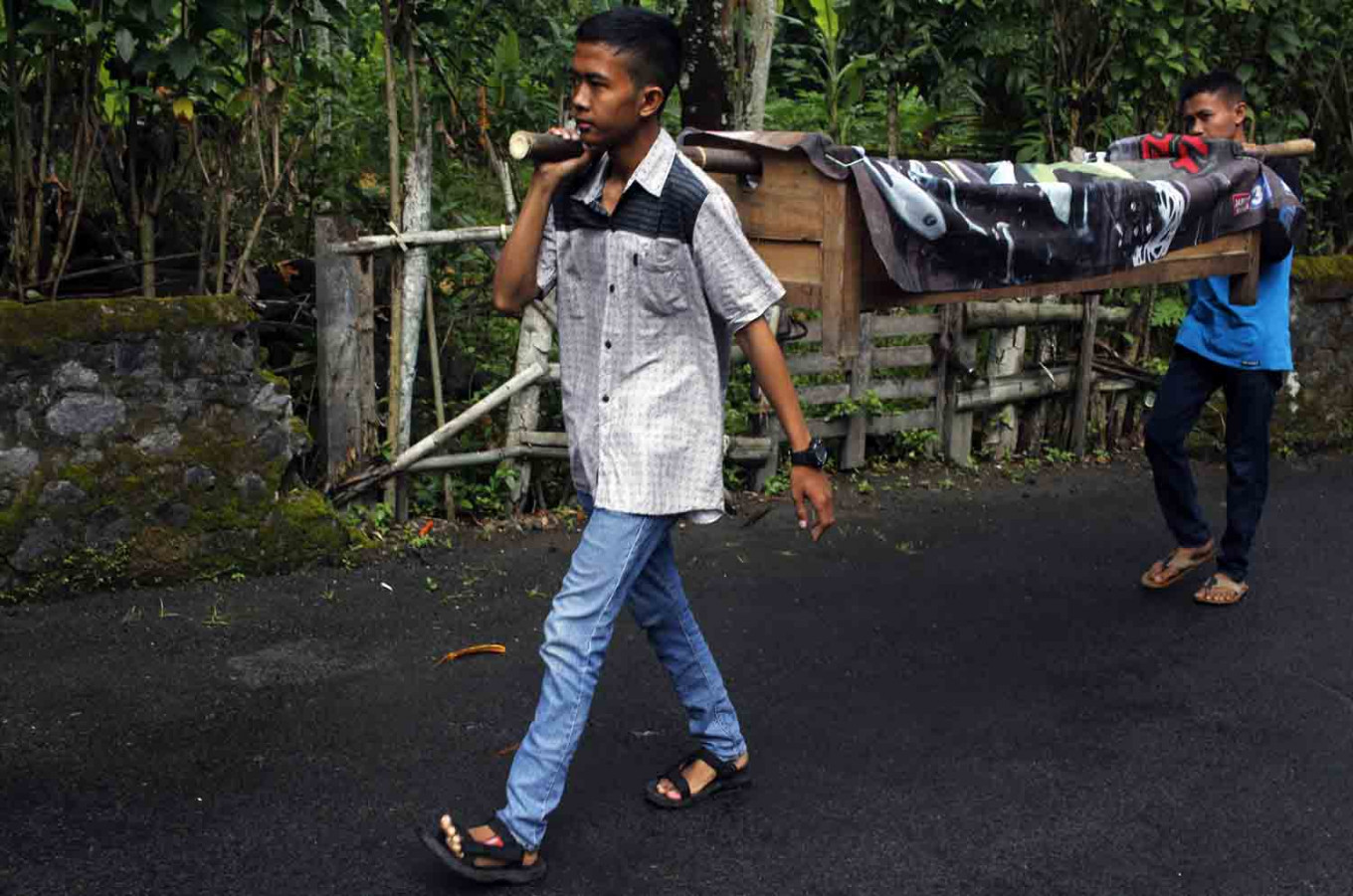
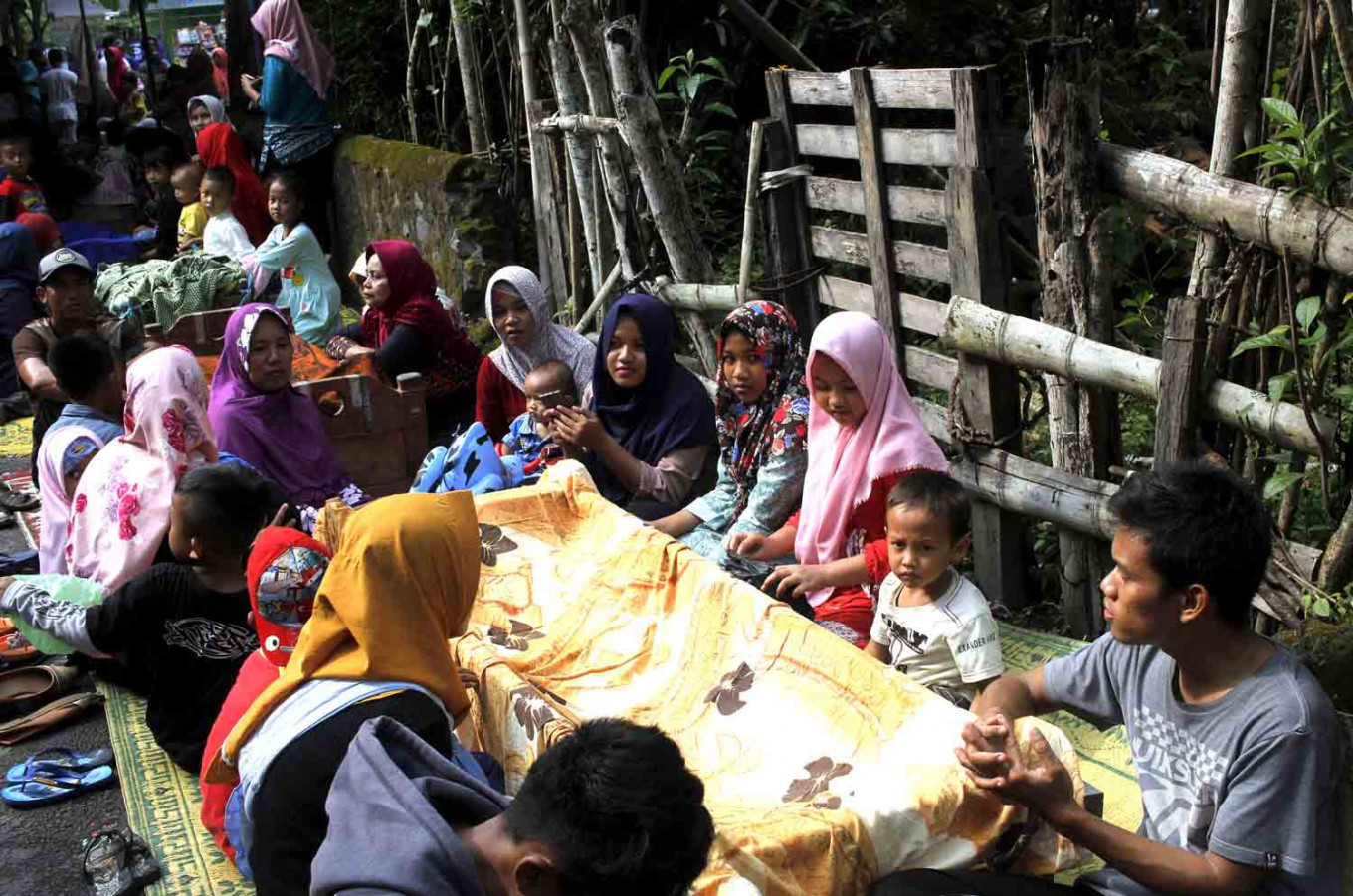
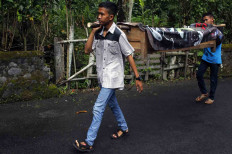
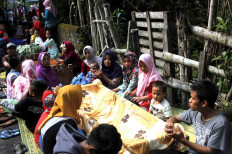
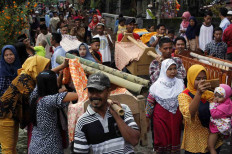
  • "> + See SlideShow Men, women and children sit near long wooden boxes, called jodang, which, underneath the cloth cover, store their meals. Hundreds of these boxes are used during the nyadran ritual, making them an iconic part the ceremony. JP/Magnus Hendratmo
  • /

    Men, women and children sit near long wooden boxes, called jodang, which, underneath the cloth cover, store their meals. Hundreds of these boxes are used during the nyadran ritual, making them an iconic part the ceremony. JP/Magnus Hendratmo

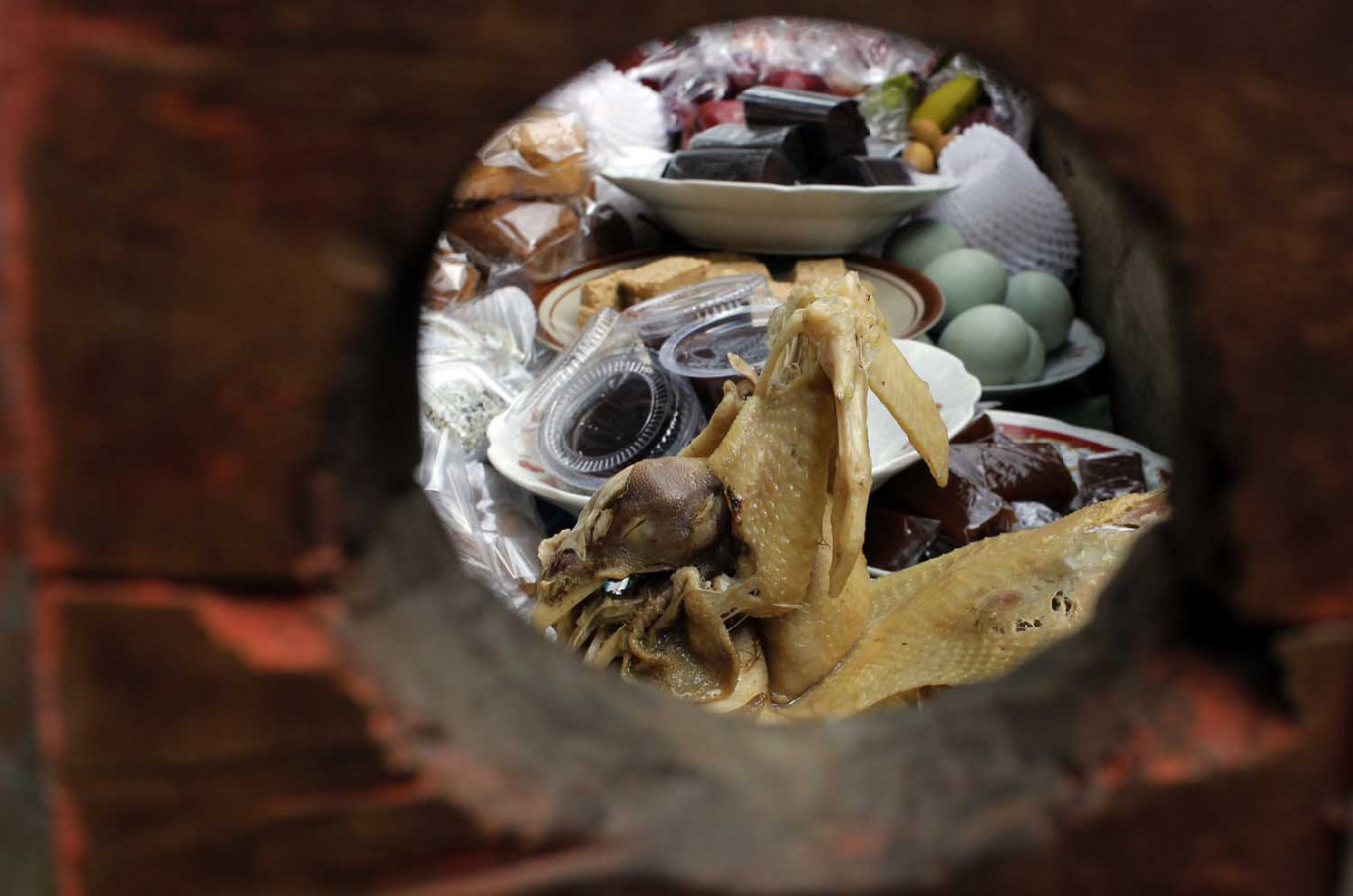
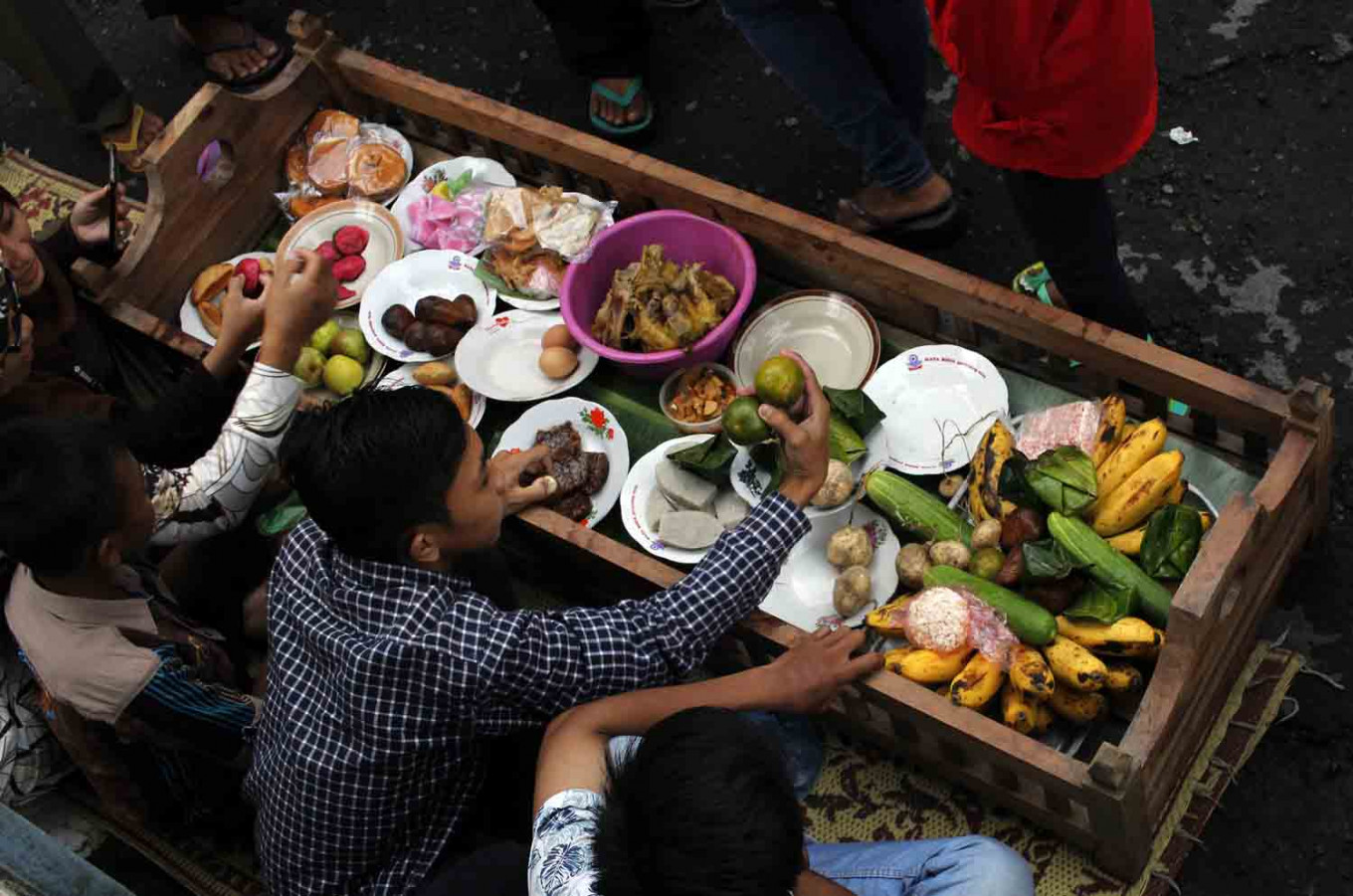
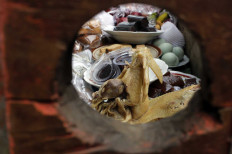
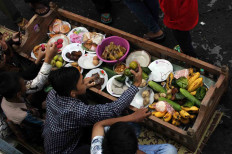
  • "> + See SlideShow Fruits, rice dishes, boiled chicken, eggs and snacks are an inseparable part of the nyadran ritual in Jogonalan, Klaten, Central Java. JP/Magnus Hendratmo
  • /

    Fruits, rice dishes, boiled chicken, eggs and snacks are an inseparable part of the nyadran ritual in Jogonalan, Klaten, Central Java. JP/Magnus Hendratmo

  • "> + See SlideShow Villagers enjoy the meals prepared for the big feast during nyadran, an annual Javanese ritual held ahead of the fasting month of Ramadan. JP/Magnus Hendratmo
  • /

    Villagers enjoy the meals prepared for the big feast during nyadran, an annual Javanese ritual held ahead of the fasting month of Ramadan. JP/Magnus Hendratmo

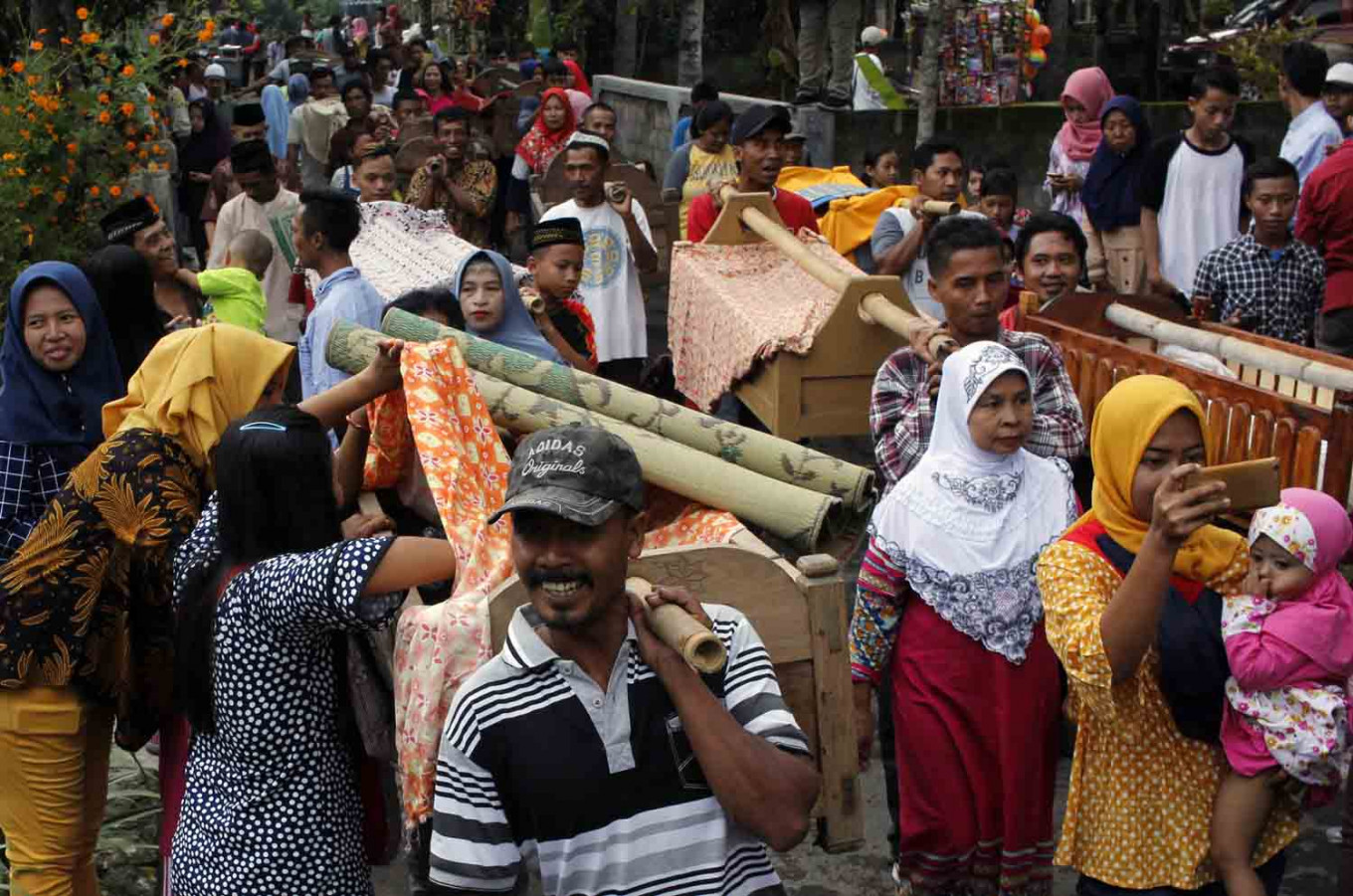
  • "> + See SlideShow After sharing meals together during nyadran in Krapyak Cemetery on April 28, the villagers in Jogonalan, Klaten, tidy up the wooden boxes used to carry their meals. Nyadran is an annual ceremony where the villagers pray for their ancestors and gather with family members. JP/Magnus Hendratmo
  • /

    After sharing meals together during nyadran in Krapyak Cemetery on April 28, the villagers in Jogonalan, Klaten, tidy up the wooden boxes used to carry their meals. Nyadran is an annual ceremony where the villagers pray for their ancestors and gather with family members. JP/Magnus Hendratmo

    Magnus Hendratmo

    The Javanese ritual of nyadran is special for Krapyak villagers in Jogonalan, Klaten in Central Java. Villagers who work outside the village come home for this annual event, held each year for several days before the fasting month of Ramadan.

    Nyadran is a ritual when villagers clean their ancestors’ gravesites and reunite with family members.

    On Sunday, April 28, hard rain poured in the village. But nyadran must go on. Locals had already prepared meals, fruits, eggs, chicken and snacks in long wooden boxes called jodang.

    At noon, the rain stopped and the people swarmed the streets to go to Krapyak Cemetery. Hundreds of jodang were arranged along the main street while families gathered around the feast.

    Nyadran began with cleaning the graves and scattering flowers on the tombs. Prayers and eating together followed the ritual.

    What makes nyadran in Krapyak special is the sight of the temple ruins that are scattered around the cemetery. Every time villagers prepare a new tomb and dig, they will encounter remnants of the past: interlocked temple stones.

    Resident Setyo Purwanto, 45, said they often found artifacts in their village, which is located next to the Woro River, the headwaters of which flow from the peak of Mt. Merapi. He said remnants of unidentified temples were also found along the river. Setyo suspected that underneath the graves were holy temples from the Ancient Mataram period, which saw Hindu and Buddhist dynasties.

    For the villagers, nyadran is a way to preserve Javanese culture. However, it is also fun, especially for children who race to the food while having fun and laughing. [evi]

    Your Opinion Matters

    Share your experiences, suggestions, and any issues you've encountered on The Jakarta Post. We're here to listen.

    Enter at least 30 characters
    0 / 30

    Thank You

    Thank you for sharing your thoughts. We appreciate your feedback.