Vietnamese crab exportergood crabexellent crabdouble-skinned crabs

TheJakartaPost

Please Update your browser

Your browser is out of date, and may not be compatible with our website. A list of the most popular web browsers can be found below.
Just click on the icons to get to the download page.


Jakarta Post

Producing biogas

Thu, January 10, 2019   /   02:55 pm
/

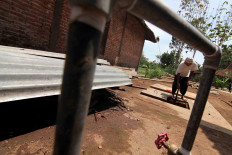
A villager carries grass to feed the cattle. JP/Maksum Nur Fauzan

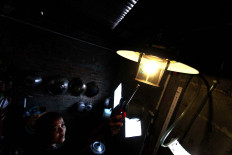
  • "> + See SlideShow Biogas can be used for lighting. JP/Maksum Nur Fauzan
  • /

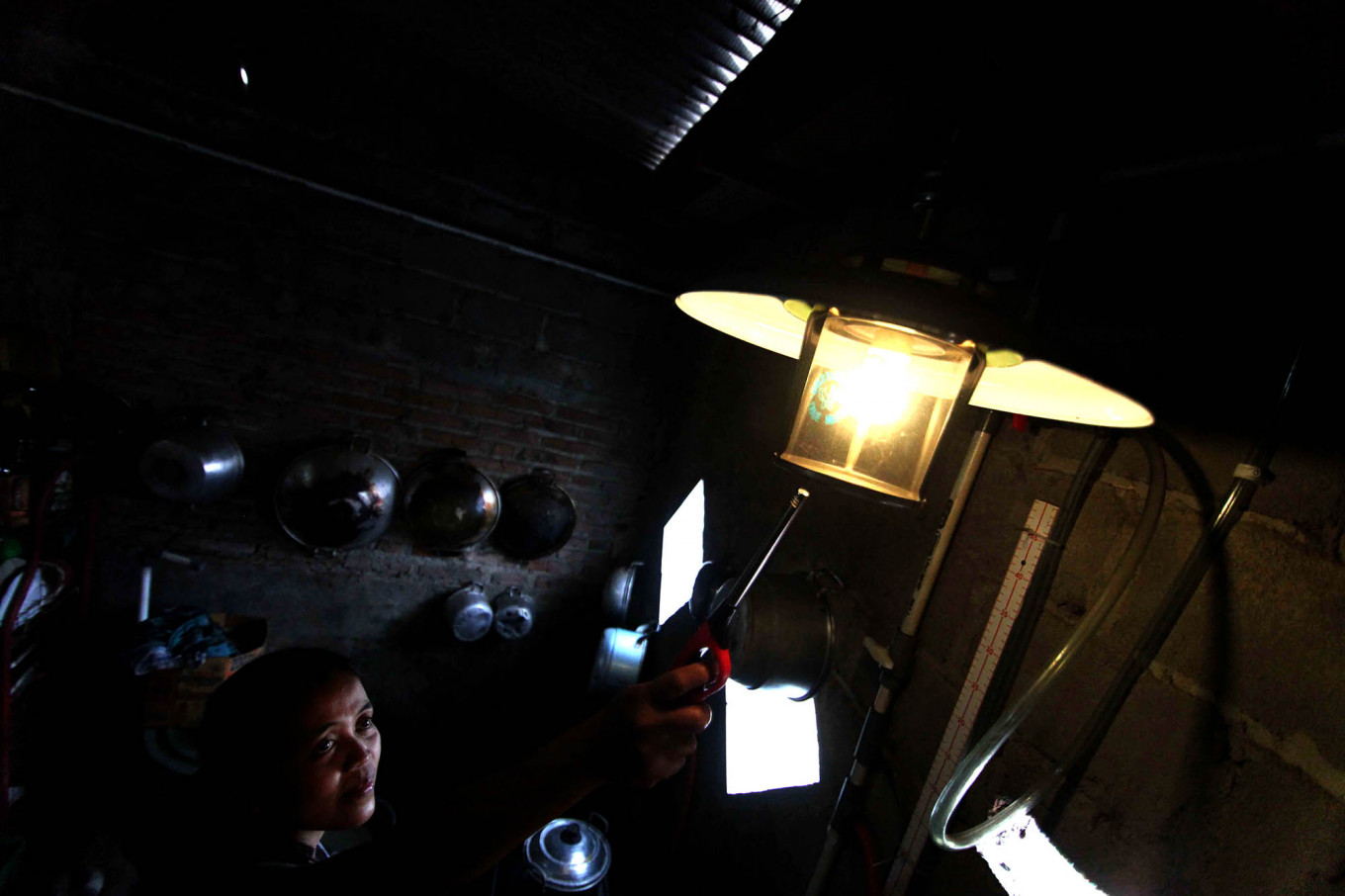
    Biogas can be used for lighting. JP/Maksum Nur Fauzan

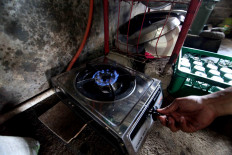
  • "> + See SlideShow Biogas is also useful for cooking. JP/Maksum Nur Fauzan
  • /

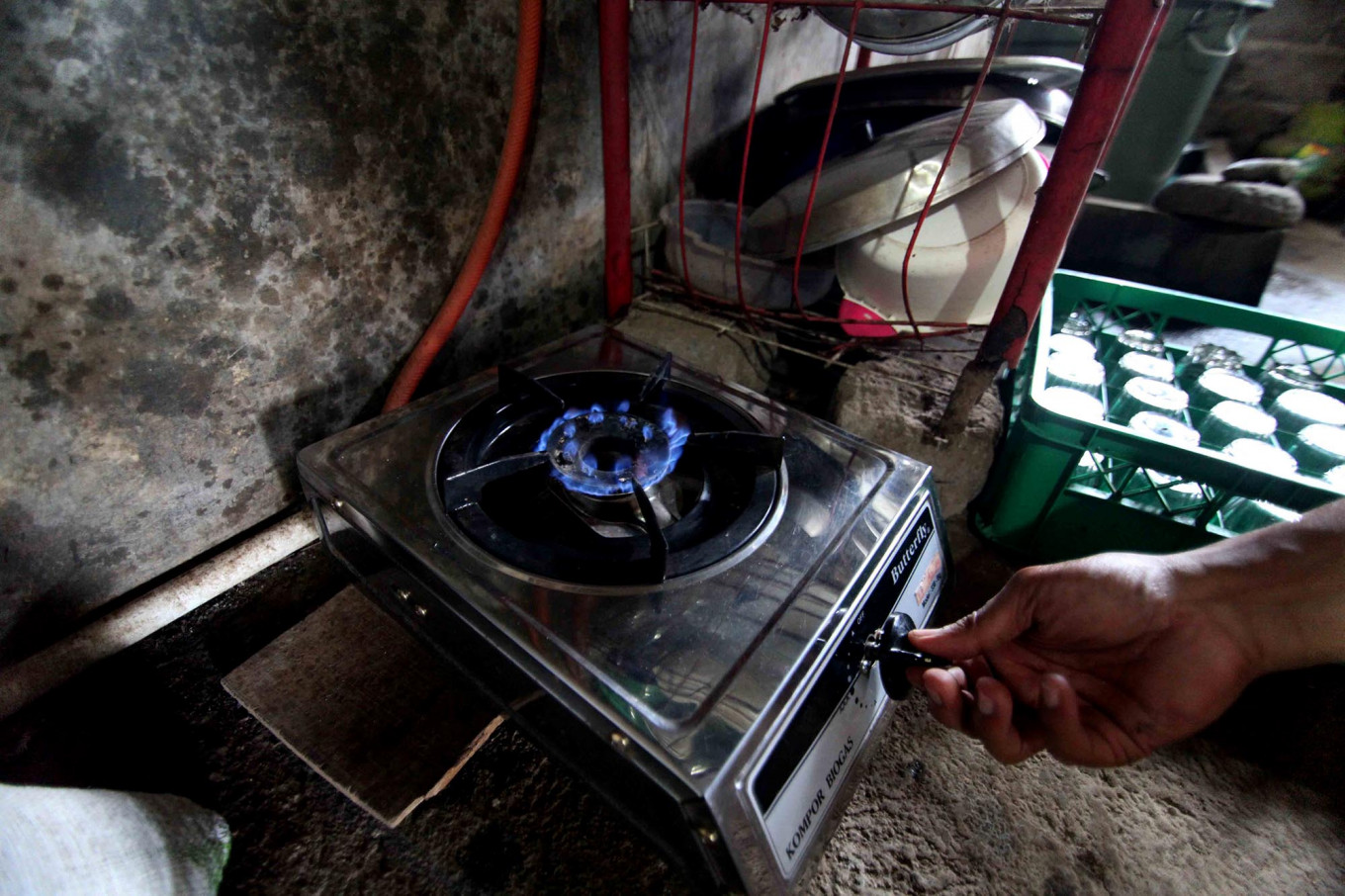
    Biogas is also useful for cooking. JP/Maksum Nur Fauzan

  • "> + See SlideShow Karsiman, a villager of Urut Sewu, checks his digester well. JP/Maksum Nur Fauzan
  • /

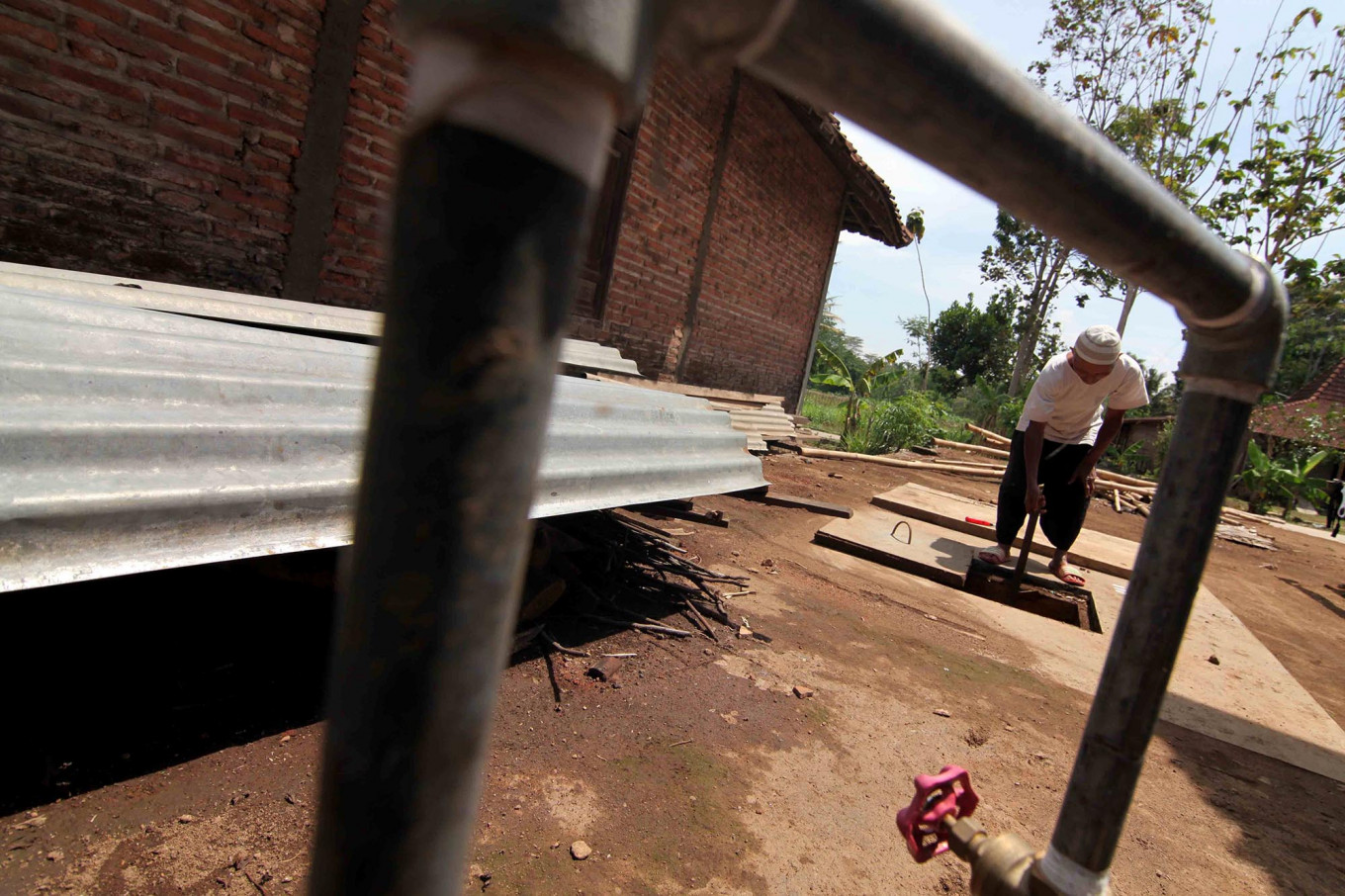
    Karsiman, a villager of Urut Sewu, checks his digester well. JP/Maksum Nur Fauzan

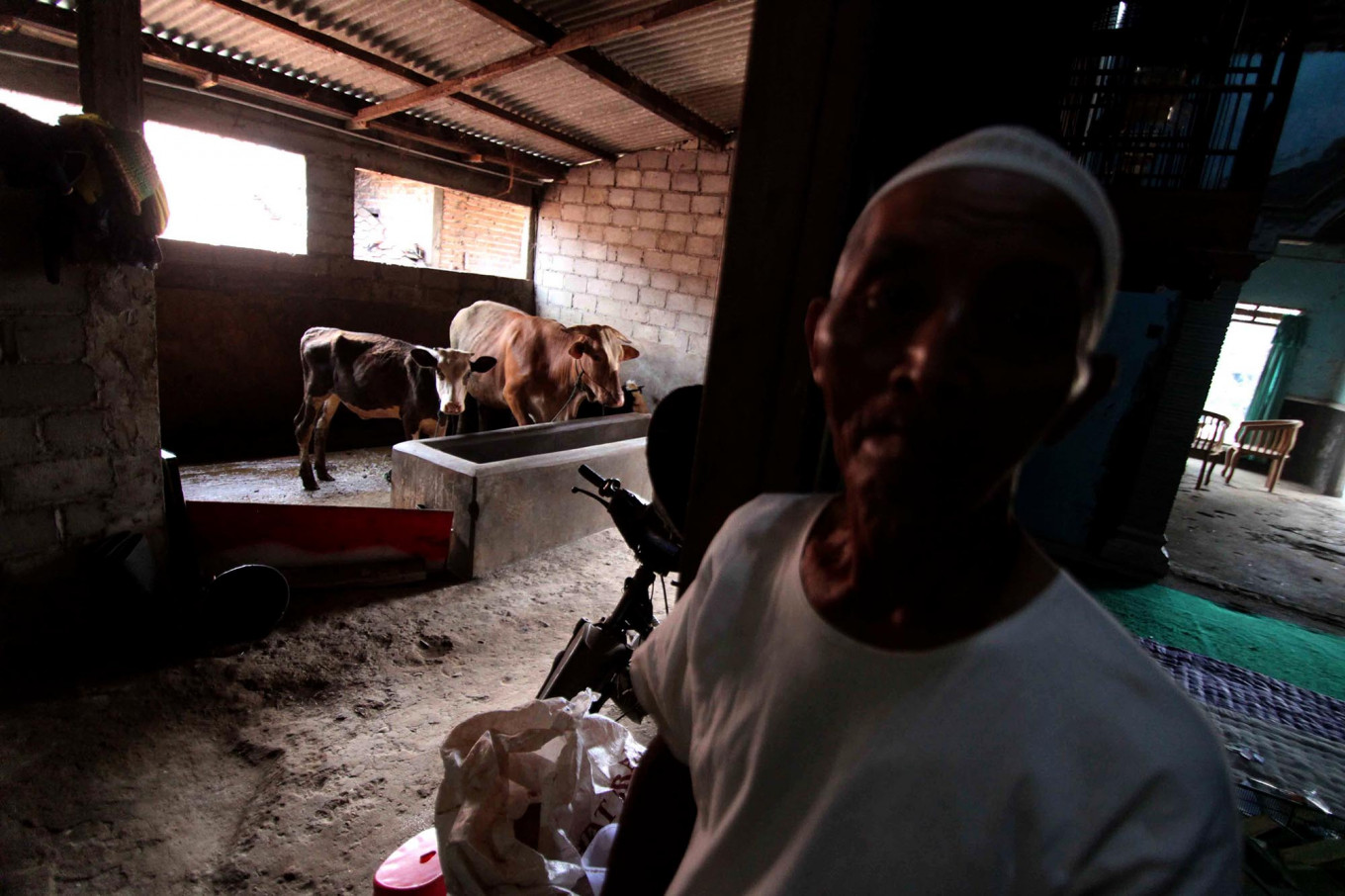
  • "> + See SlideShow Karsiman shows off his cattle whose dung is produce biogas. JP/Maksum Nur Fauzan
  • /

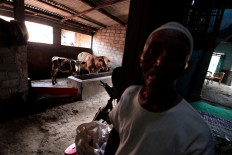
    Karsiman shows off his cattle whose dung is produce biogas. JP/Maksum Nur Fauzan

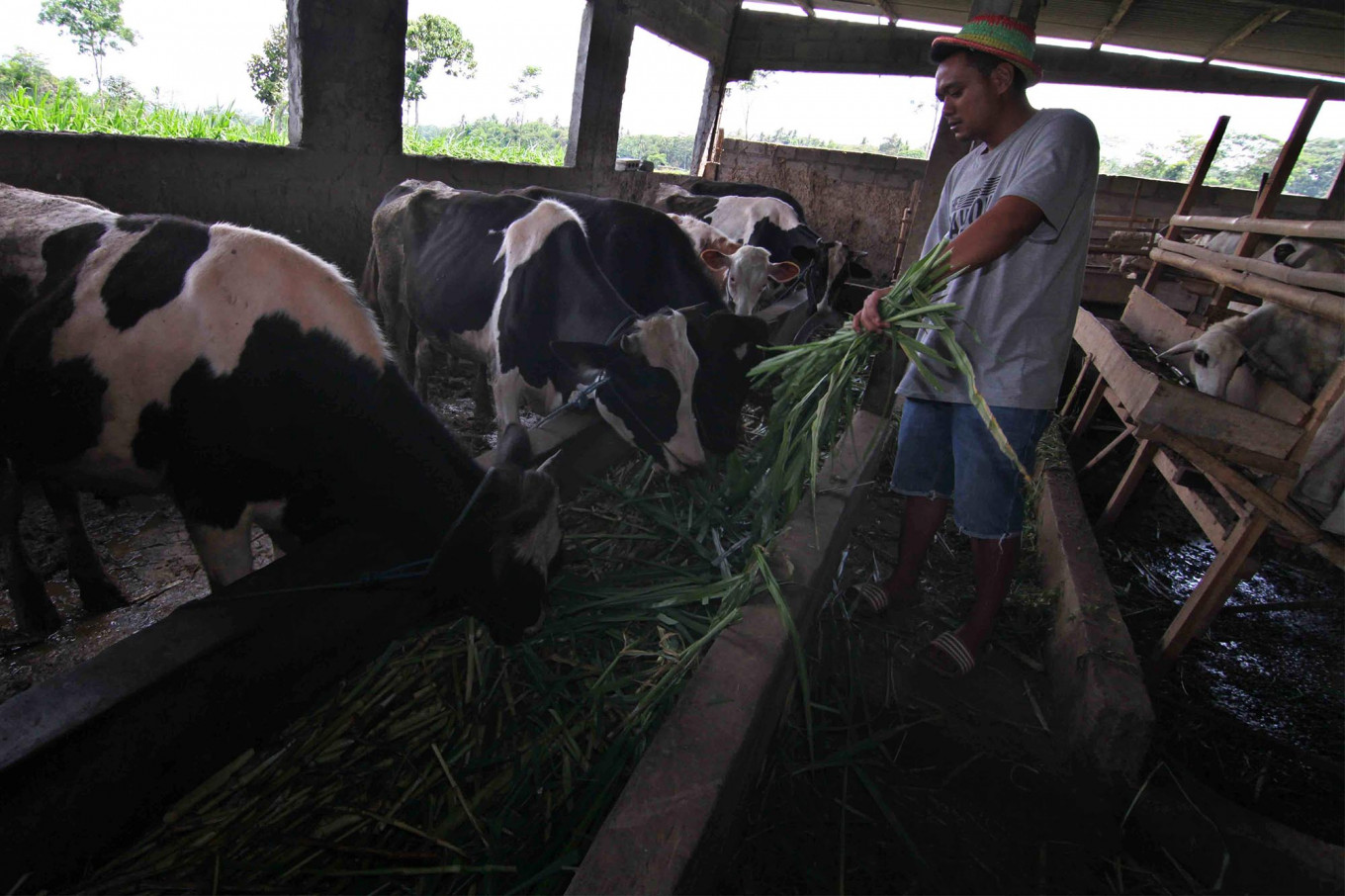
  • "> + See SlideShow Eko feeds grass to his cattle. JP/Maksum Nur Fauzan
  • /

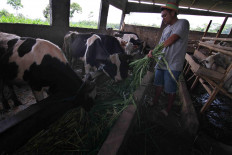
    Eko feeds grass to his cattle. JP/Maksum Nur Fauzan

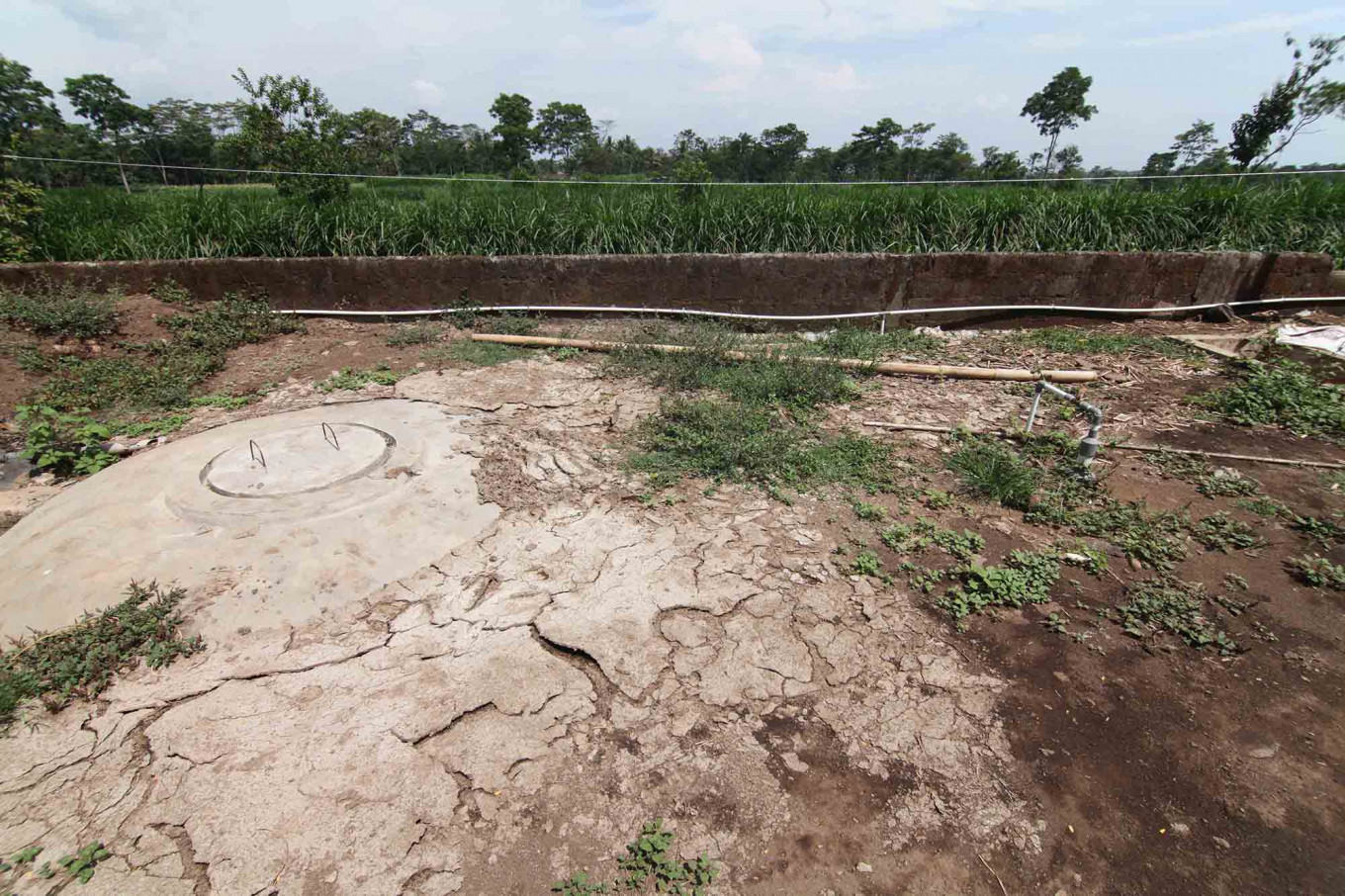
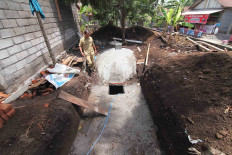
  • "> + See SlideShow A well digester needs a lot of space. JP/Maksum Nur Fauzan
  • /

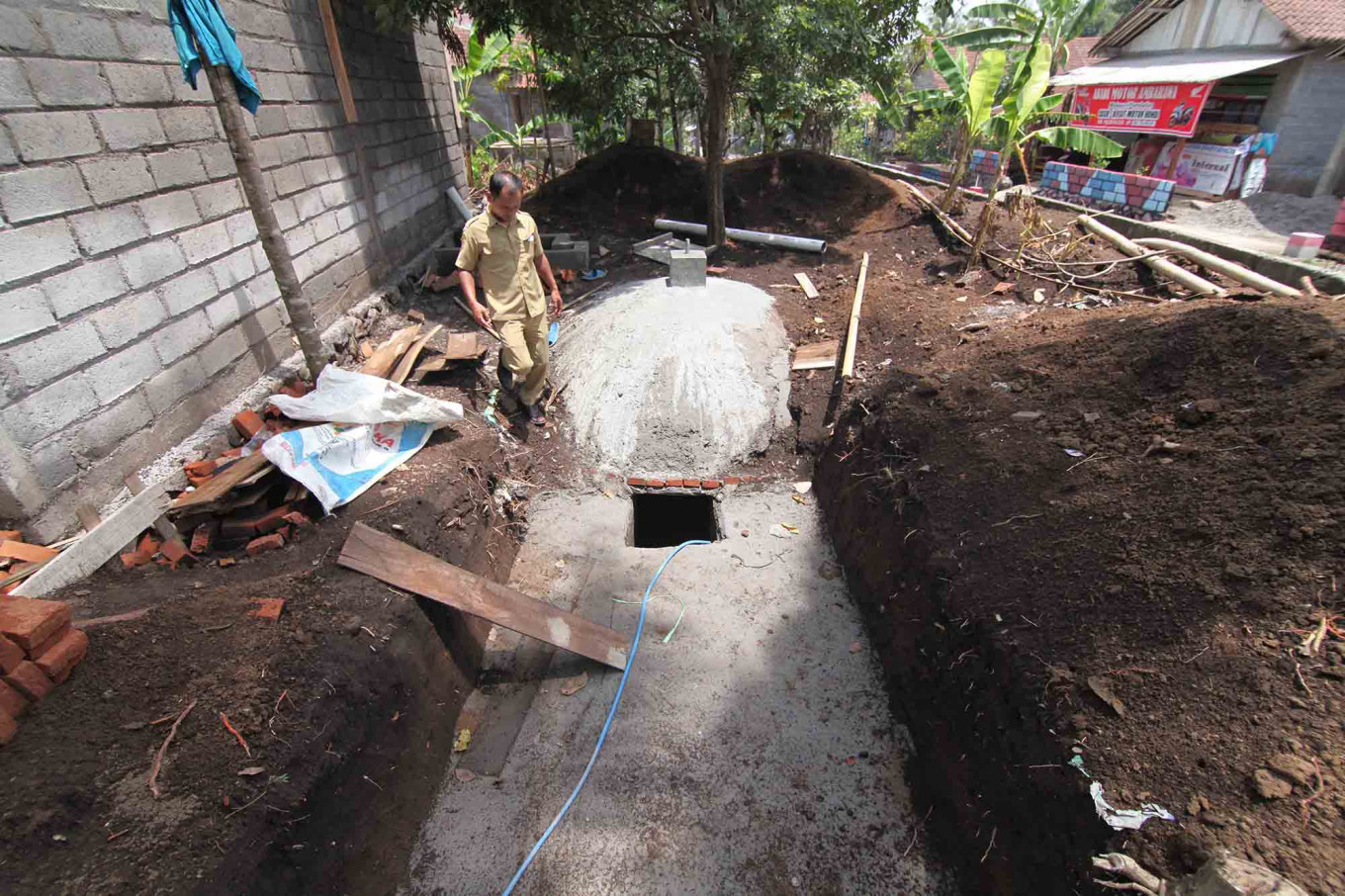
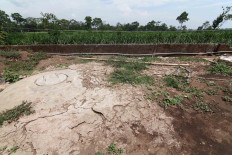
    A well digester needs a lot of space. JP/Maksum Nur Fauzan

    Maksum Nur Fauzan

    Increasing fossil fuel consumption due to mankind’s increasing need is gradually depleting oil reserves. People have been spoilt by the excessive use of fossil fuels without considering the needs of future generations.

    With that in mind, the villagers of Urut Sewu in Ampel district, Boyolali regency, Central Java, have begun to produce biogas from cow dung -- the area is known for its cattle farms.

    The villagers had previously used kerosene and liquefied petroleum gas (LPG) for lighting and cooking, respectively. By the end of 2013, the village administration and farmers began to make use of cow dung to produce biogas, which reduces pollution.

    Today, there are 54 digesters in the village that produce biogas. The village administration is targeting 100 digester wells to fulfill the needs of the whole village.   

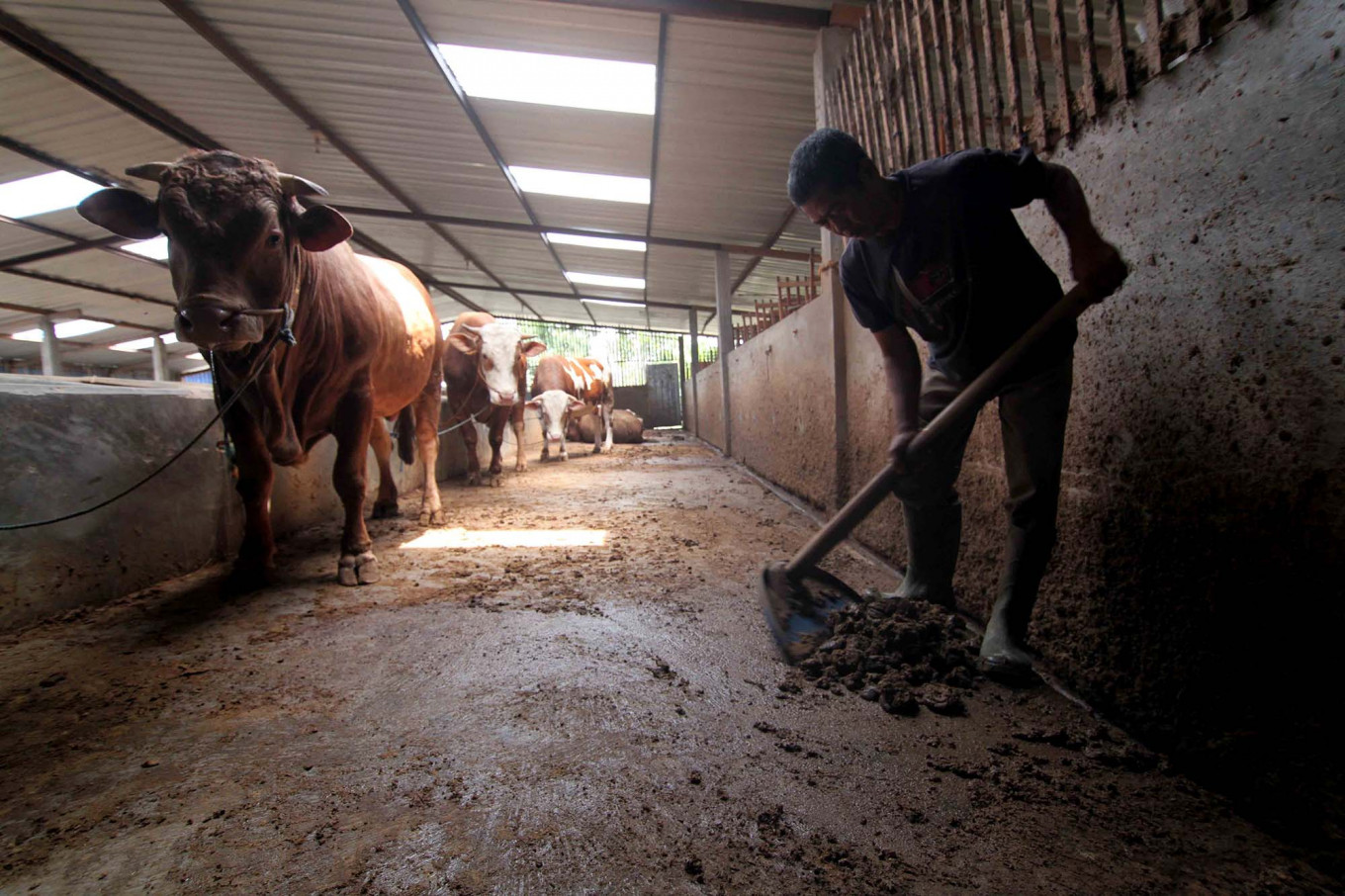
    Abundant cow dung in the village makes biogas production easier. Each digester well needs dung from five cows as it can accommodate between 10 to 25 cubic meters.

    The villagers and the village administration have continued to produce biogas so that the village can have an independent power supply as well as reduce its dependency on fossil fuels. [yan]

    Your Opinion Matters

    Share your experiences, suggestions, and any issues you've encountered on The Jakarta Post. We're here to listen.

    Enter at least 30 characters
    0 / 30

    Thank You

    Thank you for sharing your thoughts. We appreciate your feedback.