double-skinned crabsgood crab

TheJakartaPost

Please Update your browser

Your browser is out of date, and may not be compatible with our website. A list of the most popular web browsers can be found below.
Just click on the icons to get to the download page.


Jakarta Post

Traditional snacks main attraction at Papringan Market

Fri, November 9, 2018   /   05:10 pm
/

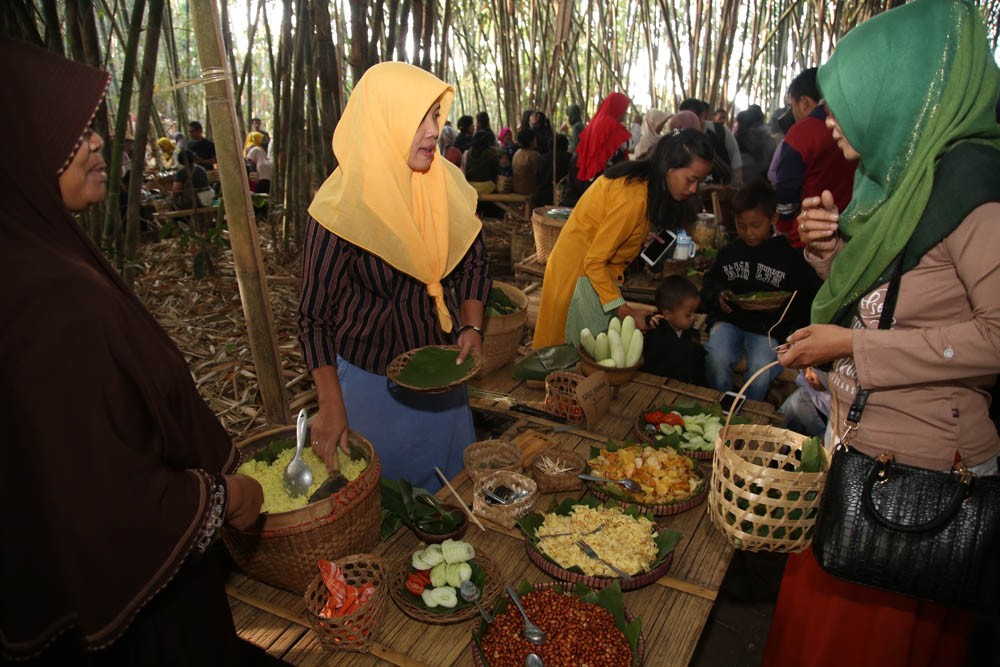
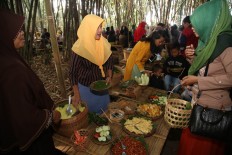
Sanah serves a customer who bought a portion of nasi kuning (rice steamed in turmeric and served with side dishes). JP/P.J.Leo

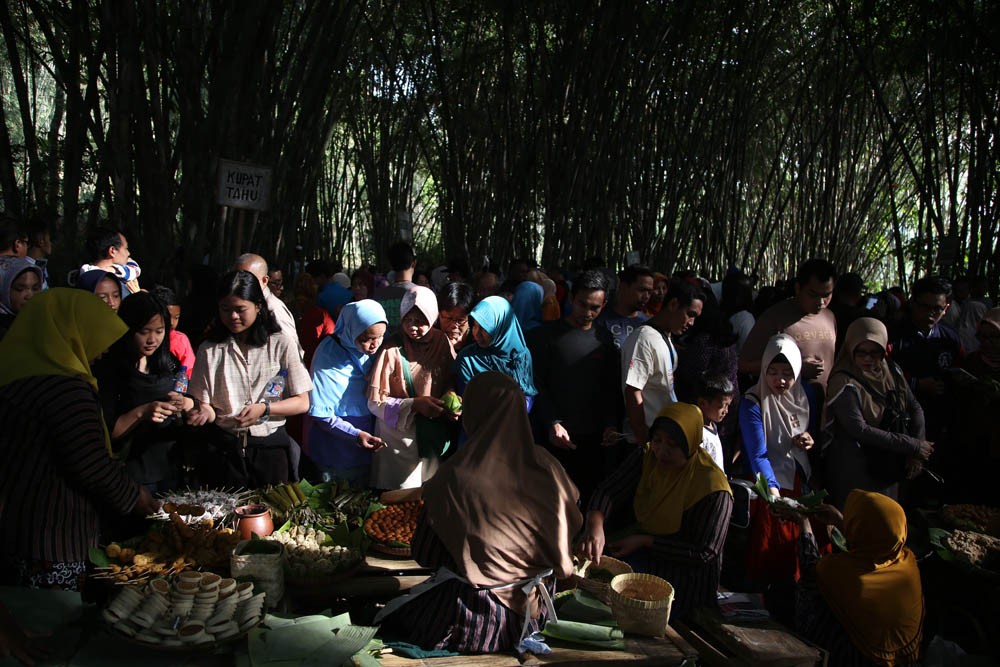
  • "> + See SlideShow Located under the shade of bamboo trees, the market is popular for its traditional snacks. JP/P.J.Leo
  • /

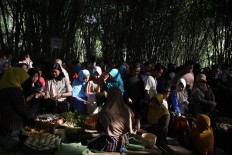
    Located under the shade of bamboo trees, the market is popular for its traditional snacks. JP/P.J.Leo

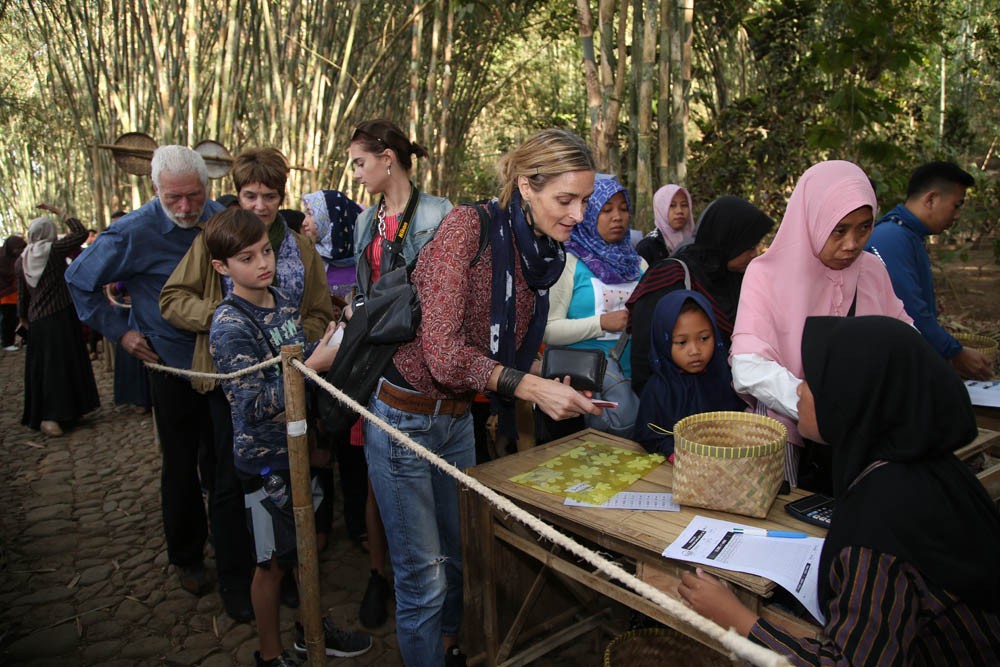
  • "> + See SlideShow Joana Stevens, an Australian who lives in Jakarta, exchanges her rupiah for bamboo “money” at the market cashier. JP/P.J.Leo
  • /

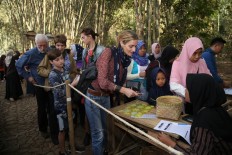
    Joana Stevens, an Australian who lives in Jakarta, exchanges her rupiah for bamboo “money” at the market cashier. JP/P.J.Leo

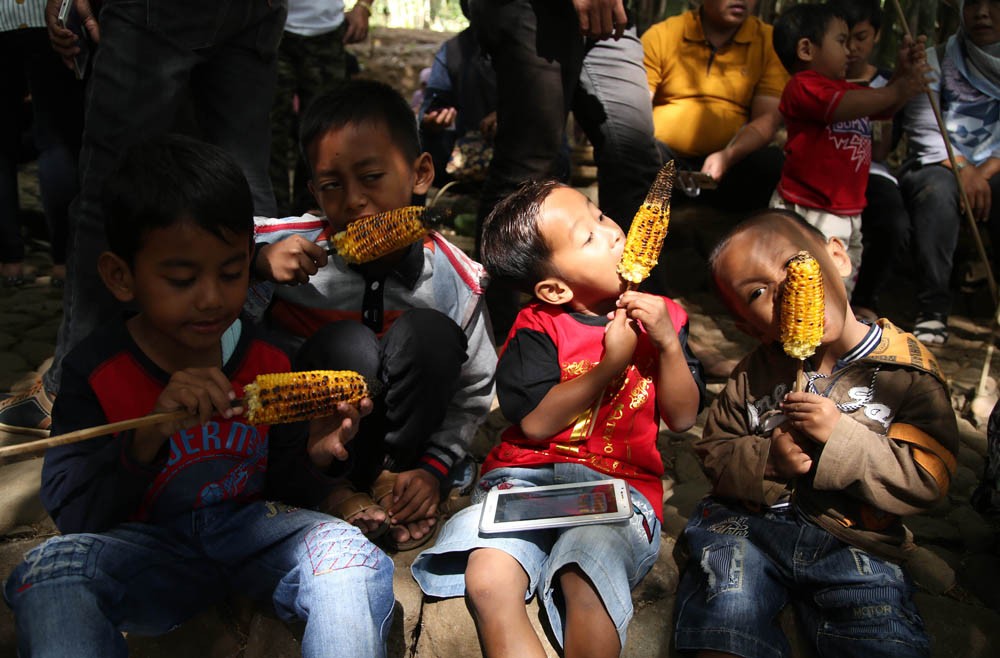
  • "> + See SlideShow  Four boys enjoy grilled corn at the market. JP/P.J.Leo
  • /

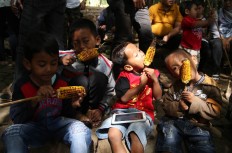
    Four boys enjoy grilled corn at the market. JP/P.J.Leo

    PJ Leo

    Papringan Ngadiprono Market in Ngadimulya village, Kedu district, Temanggung regency, Central Java, is usually flocked to by visitors. The traditional market is famous for its jajanan ndeso (traditional snacks) and is open from 6 a.m. to midday every Sunday Wage and Sunday Pon, dates on the Javanese calendar.

    People from different cities, including Semarang, Yogyakarta, Bandung and Jakarta, often visit the market.

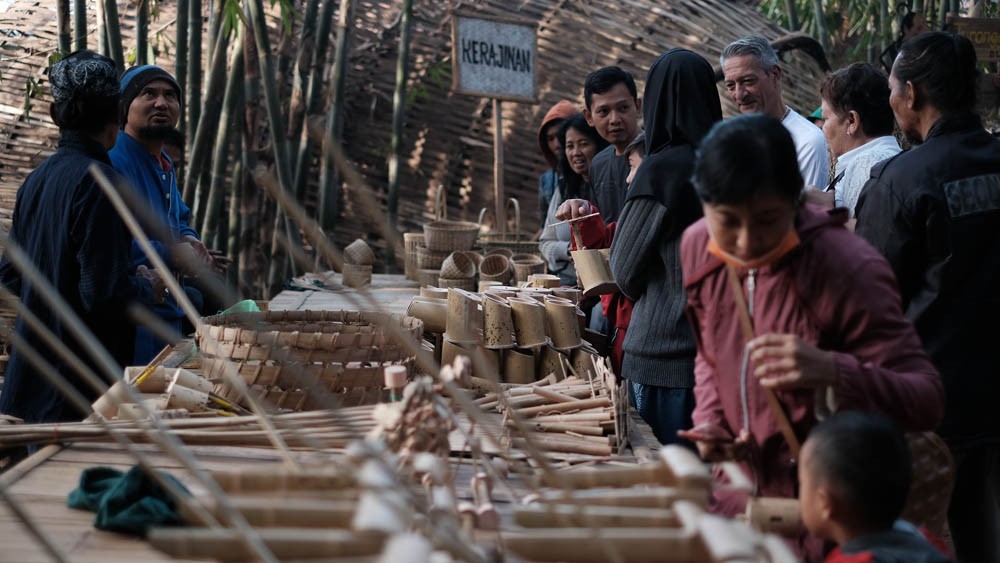
    On Sunday, Sept. 16, several foreign tourists were seen visiting the market. Joana “Jo” Stevens of Australia was one of them. Jo took her two children and two Australian friends from Jakarta to visit the Papringan market to see the uniqueness of the traditional snacks on offer. The snacks were laid out on bamboo tables made by villagers.

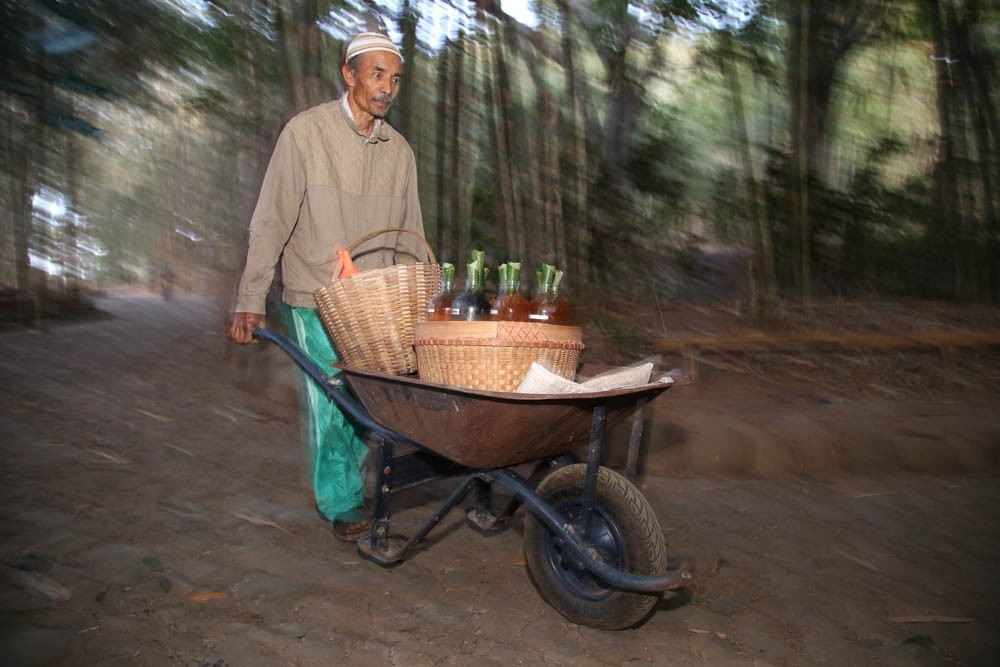
    In addition to snack sellers, farmers offered their crops at the market.

    Each visitor must make payments using small, rectangular bamboo pieces. Each bamboo piece is equal to Rp 2,000 (13 US cents).

    Activities at the traditional market help villagers preserve their clean environment and boost the local economy. [yan]

    Your Opinion Matters

    Share your experiences, suggestions, and any issues you've encountered on The Jakarta Post. We're here to listen.

    Enter at least 30 characters
    0 / 30

    Thank You

    Thank you for sharing your thoughts. We appreciate your feedback.