The Jakarta Post
Please Update your browser
Your browser is out of date, and may not be compatible with our website. A list of the most popular web browsers can be found below.
Just click on the icons to get to the download page.


Popular Reads
Top Results
No results found. Please check your search term and try again
Can't find what you're looking for?
View all search results
Popular Reads
Top Results
No results found. Please check your search term and try again
Can't find what you're looking for?
View all search resultsArchaeologists discover 'never before seen' pre-Hispanic ruins in Mexico
The site includes a circular stone platform unlike any other unearthed in that part of Mexico.
Change text size
Gift Premium Articles
to Anyone
Share the best of The Jakarta Post with friends, family, or colleagues. As a subscriber, you can gift 3 to 5 articles each month that anyone can read—no subscription needed!
 Set as preferred source
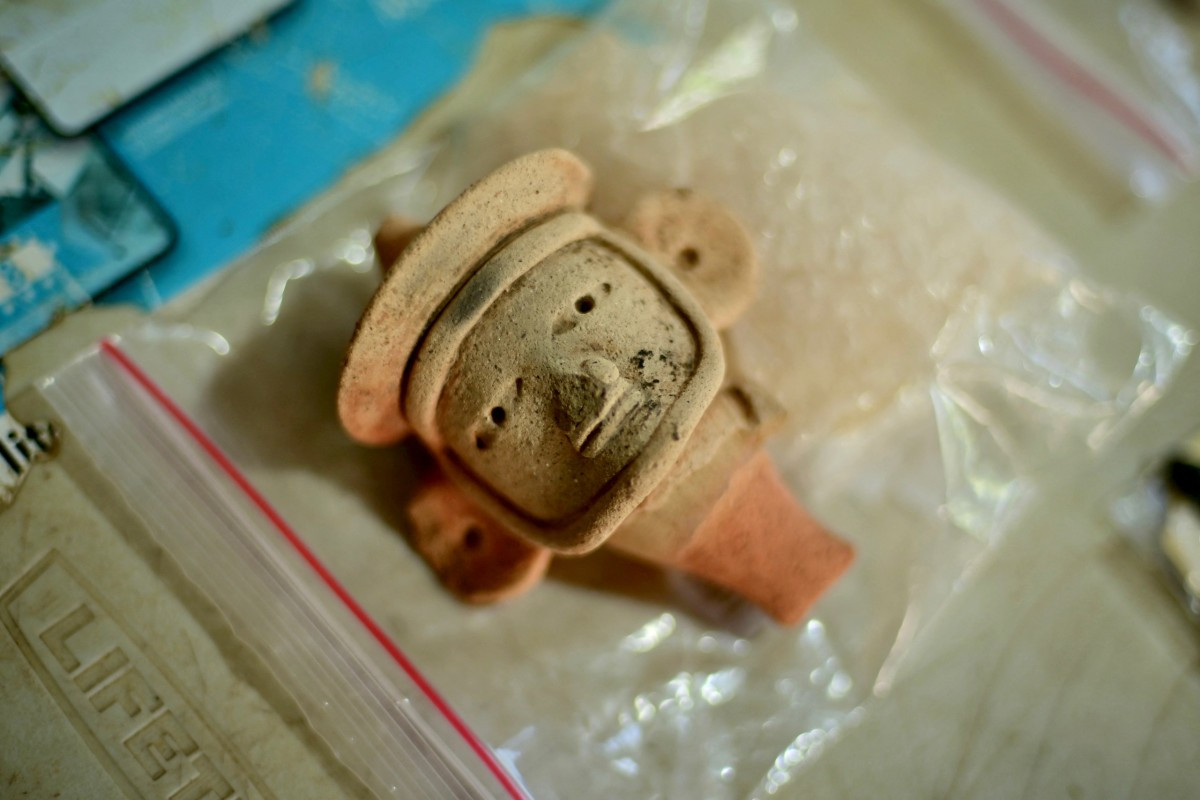 A view shows an anthropomorphic whistle face handled by archaeologists working at an archaeological site in Coatepec, Veracruz, Mexico, on June 18, 2026. Mexican archaeologists have discovered the remains of a structure and a sculpture bearing features similar to those of the Maya culture and other characteristics described as “never before seen” in the eastern state of Veracruz. (AFP/Marco Antonio Martinez)
M
exican archaeologists unearthed ancient ruins with signs of Mayan culture as well as "never before seen" characteristics in the eastern state of Veracruz.
Mexican President Claudia Sheinbaum called the discovery "very relevant" during her morning press conference on Friday, saying her government would allocate resources for the investigation and restoration of the site.
The site includes a circular stone platform unlike any other unearthed in that part of Mexico.

Researchers also discovered a monolith depicting a figure with potential Mayan features, the National Institute of Archaeology and History (INAH) said.
"It's a unique, unprecedented finding," said Lino Espinoza Garcia, an archaeologist for the INAH and one of the coordinators for the Campo Viejo site near the town of Coatepec.
Dating back to the Early Classic period between 200 and 600 AD, the pre-Hispanic ruins include a flagstone and limestone platform adorned with almost squared lines or figures as well as the circular stones.
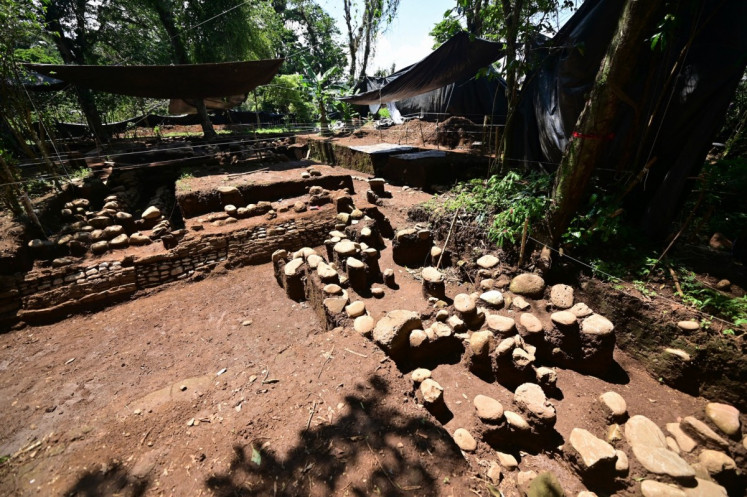
These attributes have never been recorded in this region of Mexico, the INAH said in a statement.
It's "a very particular structure," said Alberto Vazquez, the other archaeologist responsible for the site. "We don't have any records so far of a correlation with other [ancient] sites."
The monolith stands 1.88 meters high, 1.47 m wide at its broadest point and 68 centimeters at the narrowest.
The stone depicts a scene of a symbolic character, according to experts.
"They are two characters who are requesting something, they have a bowl and are receiving something, we think it's a liquid. Obviously, in that context, it's a divine liquid, we think it would be water," Espinoza detailed.
The archaeologist believes the image could reflect the era of a great drought in the region, which could explain why two members of the elite, one of them with Mayan traits, are depicted receiving the fluid from a divine entity.




More from The Weekender

Travels in the land of Gen Z
To become a professor to Gen Z today is to take a disorienting journey to an exotic land. First of two parts.

More trains, more stations, but Greater Jakarta still isn’t connected
Jakarta now has more trains and stations. But getting to them from Depok, Bogor, Tangerang or Bekasi still means an ojek or a car ride.

The app life
Living in China, where all of life's needs have been telescoped into the mobile phone, feels like the future the rest of the world is queuing for.