The Jakarta Post
Please Update your browser
Your browser is out of date, and may not be compatible with our website. A list of the most popular web browsers can be found below.
Just click on the icons to get to the download page.


Popular Reads
Top Results
No results found. Please check your search term and try again
Can't find what you're looking for?
View all search results
Popular Reads
Top Results
No results found. Please check your search term and try again
Can't find what you're looking for?
View all search resultsA seat at a plastic table: Sungai Watch innovates sustainable design
The environmental group's river cleanup efforts are feeding a growing circular design movement, turning discarded plastic into furniture while pushing for systemic action on waste management.
Change text size
Gift Premium Articles
to Anyone
Share the best of The Jakarta Post with friends, family, or colleagues. As a subscriber, you can gift 3 to 5 articles each month that anyone can read—no subscription needed!
 Set as preferred source
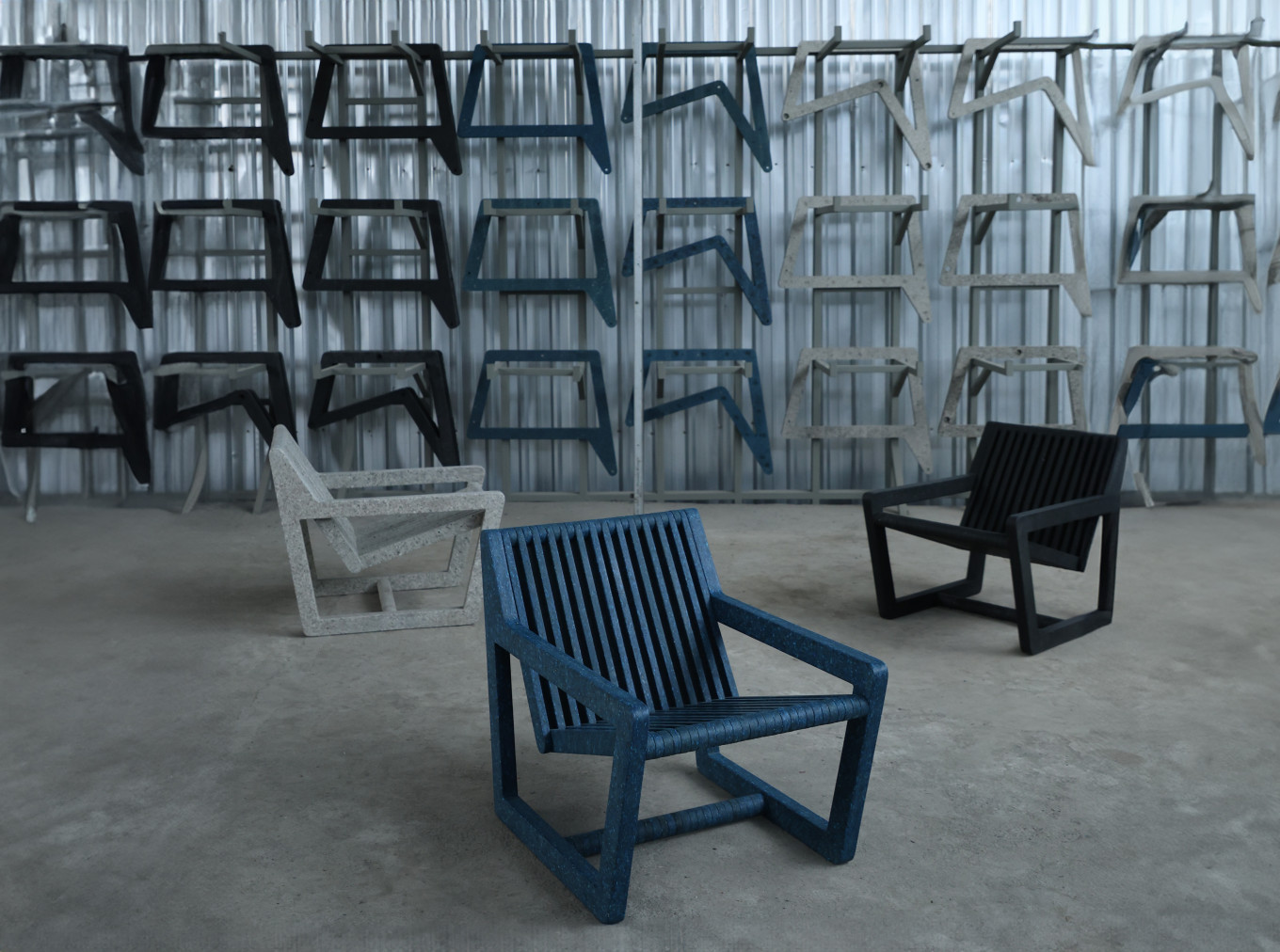 Statement piece: Made from 100 percent plastic, the Ombak Chair is a handcrafted, flat-pack lounge chair that can be assembled in under 15 minutes, transformed from the equivalent of 2,000 plastic bags collected from local rivers. (Courtesy of Sungai Design/-)
S
ungai Watch, which mobilizes local communities and donor support to tackle pollution in Indonesia's waterways, is extending its efforts beyond environmental protection and into the realm of design.
Through its parallel initiative, Sungai Design, the environmental organization is transforming collected waste into functional furniture and decorative pieces.
Its work gained fresh momentum following the completion of Run for Rivers, a 1,200-kilometer fundraising and awareness campaign that crossed 36 cities and five provinces before ending in Jakarta on May 24. Participants could join cleanups, take part in sections of the run or contribute through online donations.

"The funds raised will help Sungai Watch expand operations across Java, including installing more river barriers, hiring local teams, improving waste collection systems and developing education programs," said Kelly Bencheghib, cofounder of Sungai Watch.
"There are still many regions in Indonesia that urgently need support," she added. "During the run, we identified numerous highly polluted areas that currently have little to no intervention systems in place."
According to its 2024 impact report, Sungai Watch has collected 2,976 tonnes of waste since its establishment in 2020 in Bali. During Run for Rivers, the organization also identified 108 illegal dump sites and carried out 23 river cleanups across the archipelago, removing 22,079 kilograms of waste.
The campaign also served as a platform for engagement with local communities and authorities. Sungai Watch met with 15 local leaders to discuss collaboration on waterway management and community-based environmental initiatives.


More from The Weekender

Travels in the land of Gen Z
To become a professor to Gen Z today is to take a disorienting journey to an exotic land. First of two parts.

More trains, more stations, but Greater Jakarta still isn’t connected
Jakarta now has more trains and stations. But getting to them from Depok, Bogor, Tangerang or Bekasi still means an ojek or a car ride.

The app life
Living in China, where all of life's needs have been telescoped into the mobile phone, feels like the future the rest of the world is queuing for.